| View |
| preceded by | |
 Northern Mariana Islands (1978 - )
|
| succeeded by |
| Northern Mariana Islands (1978 - ) | Link to Wikipedia |
Commonwealth of the Northern Mariana Islands: History, Coinage and Collectibles
Historical Background
The story of the Northern Mariana Islands is a tapestry woven from maritime trade routes that predated modern banking systems long before it was officially named. Settled millennia ago by Austronesian voyagers who traversed vast stretches of Pacific ocean, these islands became a strategic crossroads for Spanish Manila galleons and later Japanese mandates. For centuries, commerce in this region relied heavily on the silver dollars that flowed between Mexico, Asia, and Europe. The narrative of Northern Mariana Islands (CNMI) money is not one of independent sovereign minting in its early eras, but rather a chronicle of how trade dictates currency flow.
The islands were first encountered by Europeans during Ferdinand Magellan's circumnavigation voyage in 1521. Although the Spanish claim established them as part of their East Indies domain, it was the Manila galleon route that truly brought foreign coinage to these shores for centuries prior to modern US integration. This history highlights a unique economic environment where culture and economy merged early on.
Following World War II and American administration under the UN Trust Territory framework, the islands retained their cultural distinctness through various colonial administrations before formally integrating with the United States in 1986. Unlike some Pacific nations that established full sovereignty after decolonization, CNMI's numismatic path is defined by its status as a U.S. Commonwealth.
Currency and Coinage History
The evolution of currency here mirrors broader shifts across the Pacific islands from barter to fiat money during American administration. Prior to 1986, while US paper dollars circulated informally due to administrative ties, formal local issuance was historically rare until federal involvement took over trade management. Upon full integration in the mid-1970s leading into statehood status discussions later, economic policy shifted towards using standard United States Dollars for all internal and external transactions.
This transition from colonial-era reliance on foreign coinage to a standardized economy reflects broader monetary reforms across Micronesia during the latter 20th century. Unlike sovereign nations that issue their own central bank notes or minting history, CNMI relies entirely on U.S. Treasury issues for circulation. For collectors, this creates a unique category of "territorial" collecting where standard coins carry regional historical significance rather than local monetary policy decisions.
Mints and Coin Production
Because the Northern Mariana Islands operates as an unincorporated territory with full U.S. citizenship for its residents after 1986, coin production is managed through established United States Mint facilities in Philadelphia or San Francisco. Unlike independent states that establish their own mints to showcase unique national designs, CNMI's "coinage" exists primarily within the realm of commemorative issues authorized by Congress.
Modern collectors may encounter pieces struck specifically for territories as part of larger programs recognizing Pacific history and local culture. While these are produced on standard government press lines at federal facilities like Philadelphia or Denver, they feature themes specific to CNMI geography—often highlighting Saipan's volcanic landscape or Tinian’s historical significance in World War II.
Notable Coins
- The Spanish Silver Dollar (Historic Context):
- While not minted by the Northern Mariana Islands government today, collectors often look for older artifacts of the galleon era. Pieces of eight and other trade coins found in archaeological digs represent the currency used when Chamorros traded with Manila merchants.
- Tinian 1945 Victory Coin (Commemorative):
- Modern commemoratives may pay tribute to historical events like the Battle of Saipan. These usually feature artistic depictions of WWII history, honoring how the islands became pivotal in Pacific liberation efforts before joining fully under American rule.
- Cultural Heritage Commemorations (2013):
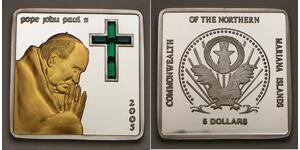
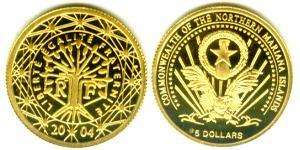
- Authorized by Congress around 2013 or similar periods, specific issues have honored Chamorro resilience and culture. These coins typically feature the CNMI coat of arms alongside standard U.S. Eagle reverse designs to mark them as federal commemorative pieces for a local region.
Cultural Legacy
The coinage legacy reflects not just economic policy but cultural identity and historical resilience, particularly in honoring Indigenous Chamorro and Carolinian heritage through artistic design choices made on U.S.-authorized coins. The islands' population is composed largely of native descendants from the Spanish colonial period as well as later immigrants.
Each element—whether a star representing specific Pacific states or imagery related to volcanic geology found on commemorative pieces—serves as a cultural touchstone for residents. By issuing these special designs, collectors and authorities honor the history that shaped CNMI without creating an independent currency system which would not fit its Commonwealth status under U.S. sovereignty.
For Collectors
The Northern Mariana Islands offers numismatists a distinct entry point into American Pacific territory collecting. Rather than searching for rare local mints, the focus lies on historical context and special commemorative issues authorized by federal legislation that reflect CNMI’s unique relationship with Washington D.C.
Collectors interested in these pieces should appreciate their scarcity within standard circulation sets while acknowledging the historical significance of how they represent a culture bridging Spanish heritage and modern American citizenship. They serve as tangible links to islands settled around 1500 BC, serving as markers for those who wish to explore the complex history of Micronesia through numismatic themes.