Niue: History, Coinage and Collectibles
Historical Background
To understand the narrative arc of Niuean collectible history, one must first visualize a solitary speck of coral rising from the vast blue waters of Polynesia. Located within striking distance of Tonga but separated by deep ocean channels, this island nation has existed in isolation for centuries until modern times shifted its trajectory toward global recognition. For millennia, the archipelago remained an undiscovered sanctuary to outsiders who might have been passing through on trade routes or hunting expeditions during what is known as whaling eras of the nineteenth century.
It was not long before visitors began describing this remote land as a place that could be "hidden" by powerful nations for protection against other empires, leading eventually to formal association with New Zealand in 1901. This political alignment did more than define borders; it shaped the flow of commerce and art into Niuean homes. When self-government was restored within this broader realm later in the twentieth century, it opened a new chapter for economic development without sacrificing cultural roots.
As a nation that is predominantly inhabited by Polynesians who have lived here since around 900 CE, the culture remained deeply rooted in connection to the natural environment—the reefs, cliffs, and lagoon waters. This relationship was central to their identity when they began looking outward again through numismatic expression. While modern political ties shifted over decades, the island's cultural focus on nature conservation—later formalized by international designations as a dark sky sanctuary—became intrinsic to its artistic output in coinage, preserving traditions of harmony between humans and wildlife even after centuries of colonization and missionary influence reshaped local social structures.
Currency and Coinage History
Like many Pacific nations that gained self-governance during the mid-to-late twentieth century, Niue initially operated without a distinct circulating coin system of its own for decades following 1974 when independence in association was formalized by referendum. In these early years, commerce relied on currency from neighbors or colonial administrators, utilizing New Zealand and Australian dollars alongside local barter systems within village councils before full monetary sovereignty arrived later through the realm's structure.
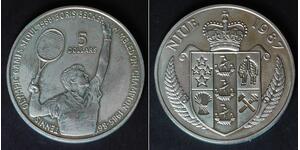
This situation created a unique scenario for collectors: there were almost no copper nickel coins in general circulation locally during the decades following independence because Niue chose to issue commemorative bullion rather than daily change, which allowed it to mint high-quality collectibles while maintaining practical financial ties with its partners. This policy decision transformed their early economic history into a gold standard of collecting, bypassing the need for low-grade metal and moving straight toward silver and rare-earth metals suitable for investment portfolios. The evolution of their currency reflects this pragmatic yet artistic approach; they did not attempt to compete in volume but instead focused on issuing distinct designs that honored local heritage without needing daily cash flow through foreign mints until technology allowed independent production capabilities more recently.
Mints and Coin Production
While the island lacked a permanent physical minting facility for many years, its coins were struck at renowned centers around the Pacific region before eventually producing their own pieces locally. Historically, high-denomination items like two-dollar silver coins carrying local imagery were produced through contracts with international mints that specialized in striking sovereign bullion and commemorative issues for smaller states. These facilities utilized precise dies crafted by skilled engravers who could capture minute details of Niuean landscapes or wildlife—such as the distinctive whale shark found along coastal reefs—which is a key distinguishing feature of their output compared to standard state-issued currencies like Australia's decimal coins in that era.
The transition from using foreign mints for commemorative items meant collectors began focusing on limited-edition releases often featuring local flora and fauna rather than generic portraits common during the colonial period or immediate post-independence years. Artistic characteristics of these productions prioritized bold lines reflecting Polynesian tattooing traditions alongside modern photography styles, giving them a dual aesthetic heritage that appeals to art lovers as much as numismatists interested in metal content purity—most pieces being silver bullion standards for their historical value rather than bronze or nickel clad circulation strikes.
Notable Coins
Among the most sought-after items from this region are early post-independence commemorative issues, such as coins depicting turtles—a species endemic to these islands and vital indicators of reef health—which often served as symbols for conservationists in earlier decades before becoming widely recognized globally more recently. Another historically significant design involves representations of traditional Polynesian mythology or specific religious milestones related to the missionary movement mentioned in historical texts about European contact, though many early pieces remained relatively unknown until they reemerged on secondary markets due to their age and condition rarity rather than high mintage counts from that era's production runs.
The whale shark coin stands out as an exceptional example of what collectors now consider Niuean heritage; the large marine creature swimming through its habitat is portrayed in a way that emphasizes both scientific accuracy and cultural respect, reflecting the islanders' status guardianship over Pacific reefs who were among first to be recognized for environmental stewardship globally. Additionally, early gold sovereigns or commemorative issues featuring monarchial portraits during transition periods hold particular interest to those interested in the intersection of royal history with modern self-governance arrangements under a constitutional framework where the head of state represents shared ties across an empire rather than distinct national sovereignty alone at every stage.
Cultural Legacy
Every design on these coins tells a story not just about metal content but what it means to live in this remote part of Oceania, surrounded by vast oceans that separate them yet connect everyone through trade winds and shared Polynesian ancestry. The choice of subjects—from endangered species to sacred sites within the reef system—reflects how local identity has evolved alongside global trends toward environmental protection without compromising traditional storytelling methods found here for generations.
Furthermore, because these collectible items often feature images that celebrate biodiversity rather than political figures alone or generic state symbols seen elsewhere in Commonwealth realms where similar states might focus strictly on national unity icons over wildlife themes specific to their ecology, they stand as artistic testaments to a society deeply intertwined with its environment even after centuries of contact.
For collectors
Niue remains vital for serious numismatists who understand that the history behind these pieces extends beyond simple catalog descriptions or mintage numbers found online without context; owning an example from this collection means preserving memories related to a culture and nation that navigated complex political waters to maintain freedom while protecting nature. Because they often strike in silver bullion format similar to Australian dollar denominations used historically for commemoration purposes across the Pacific region before full independence status allowed separate branding on designs like whale sharks or reef fish, investors are encouraged to examine them as both art pieces and tangible cultural history rather than mere currency replacements for daily use cases common elsewhere.

 Niue (1974 - )