| View |
 Nigeria (1960 - )

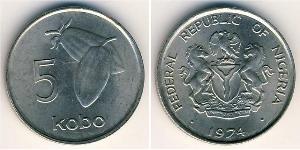
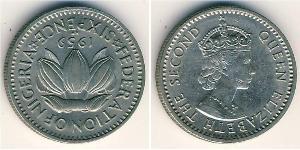
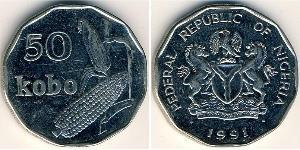
| Nigeria (1960 - ) | Link to Wikipedia |
Nigeria: History, Coinage and Collectibles
Historical Background
The land now known as Nigeria possesses a deep history that predates the written record by millennia, setting the stage for one of Africa's most profound numismatic narratives. While modern political boundaries are recent constructs drawn in 1960, the economic lifeblood of the region has flowed uninterrupted since the era of the Nok civilisation and the great empires of Kano and Benin. Pre-colonial societies engaged in complex trade networks exporting ivory, pepper, salt, and textiles along rivers that still define the nation today.
This history was not merely about war or conquest but also sophisticated economic exchange. The use of cowrie shells as a currency dates back centuries, utilized by various ethnic groups before European intervention introduced standardized metal money to facilitate the booming commerce in cocoa, palm oil, and later, crude oil. This era marked Nigeria's entry into global markets, necessitating a monetary system that could support its status as an emerging economy alongside South Africa.
The transition from colonial rule to independence fundamentally altered this landscape. The nation's journey from protectorate to Federal Republic required more than just political change; it demanded the erasure of colonial imagery and the erection of symbols representing African unity, sovereignty, and distinct cultural heritage through the medium of state-issued currency.
Currency and Coinage History
The evolution of money in this region followed a trajectory common to many newly independent nations: it moved from local barter systems to British colonial standards before establishing an autonomous identity. For much of the 19th century, coins bearing European portraits circulated locally but were not originally minted within African borders; instead, they served as a necessary tool for commerce in coastal towns like Lagos and Calabar.
The pivotal moment came with independence on October 1st, 1960. This historic date necessitated the design of new currency that celebrated Nigerian sovereignty while maintaining compatibility with regional trade standards within West Africa. The early post-independence issues retained familiar royal portraits but were paired with indigenous symbols such as yams—agricultural staples representing wealth and fertility—to ground abstract political concepts in everyday reality.
A distinct chapter emerged during the First Republic (1960–1963). This period saw a concerted effort to localize coinage design, moving away from purely European aesthetics toward representations that reflected local leadership. The coins of this era often depicted indigenous figures and leaders like Obisime wearing traditional attire such as the Ijebulani fabric or ceremonial regalia specific to Yoruba, Igbo, or Hausa cultures.
The introduction of polymer notes later shifted focus away from metal circulation, but earlier coin issues remain vital historical documents. They tell the story of a nation asserting its artistic and economic identity without completely severing ties to the international monetary system, carefully balancing local pride with global acceptance.
Mints and Coin Production
In the early decades following independence, physical minting operations were predominantly handled by external facilities in London or Pretoria before full autonomy was realized for specific production cycles. This reliance on foreign infrastructure did not hinder artistic expression; rather, it allowed skilled Western craftsmen to work from designs commissioned directly by Nigerian government artists.
The numismatic tradition of the region is unique because the coinage often mimics ancient art forms such as Benin Bronzes or Igbo woodcarving. While these heavy metals are not commonly found in mass circulation currency, the relief patterns on lower denomination coins frequently echo these styles—featuring high-relief images of crops and traditional dancers.
The introduction of modern metal alloys marked a shift from copper to nickel-brass for durable coinage that could withstand harsh tropical climates. However, even as production methods became industrialized and sophisticated, the artistic intent remained rooted in local heritage. The mints operated under strict quality controls but were encouraged to prioritize cultural motifs over purely decorative ones.
An important aspect of minting history is the commemorative sector. While standard circulation coins are common for numismatists, special issues—often striking gold or silver bullion featuring national monuments like Independence Palaces—are produced during jubilee years and significant anniversaries in modern times, keeping the legacy of early independence-era designs alive.
Notable Coins
The first true "Nigerian" coin to emerge with full autonomy was designed for 1963. This series is a cornerstone collection piece because it captures a unique moment in history: coins minted specifically to represent the Federal Republic but still utilizing some British artistic conventions while introducing indigenous iconography.
These notable issues typically feature high-relief portraits of national leaders like Chief Obafemi Awolowo or military heads of state depicted not in formal Western attire, but wearing traditional regional regalia such as capes and beads. The reverse side of these coins usually displays the coat of arms featuring the Nigerian eagle holding a shield with palm fronds.
Rarer examples include special circulation issues that replaced standard British designs entirely or featured unique local imagery like cassava roots on small denominations used for daily markets, while larger silver pieces celebrated oil discoveries and industrial might. Commemorative sets issued in later years to honor Nobel laureates Wole Soyinka continue this tradition of using coinage to celebrate intellectual achievements.
Collectors also prize "error" coins or those produced by private mints during the transitional period between 1960–1975, where variations were sometimes authorized before a standardization process solidified national design policies. The visual difference between early issues and modern circulation is stark; the shift from royal portraits to indigenous leaders marks a clear generational boundary in numismatic history.
Cultural Legacy
Nigeria’s coinage serves as a tangible archive of its cultural evolution, preserving symbols that might otherwise vanish with time. By placing images of yams—symbols of harvest and sustenance—on metal intended for circulation among the masses, these issues ensured that daily commerce became an act of celebrating agrarian heritage.
The design aesthetic also bridges generations. Older collectible coins feature a blend of Western engraving techniques applied to Eastern subject matter—a fusion rare in other African regions where coinage often remains either strictly colonial or fully modernized without transitional art styles. This unique artistic legacy helps bridge the gap between ancient traditions and contemporary commerce.
Furthermore, these items have played an active role in national identity formation. By replacing symbols of empire with symbols of indigenous leadership and culture on currency that touches every citizen's life daily from childhood markets to government payrolls, state power was made culturally accessible rather than purely political or distant.
For collectors
Nigeria’s coinage history offers a compelling narrative for the modern collector interested in African heritage. The importance of collecting these pieces lies not merely in their market value but in what they represent: a transition from colonial economic structures to indigenous national identity. Completing a set spanning independence through the First Republic offers insight into how visual culture was used to unify diverse ethnic groups under one flag.
The numismatic collection for Nigeria remains robust and growing, driven by high-quality designs that honor local traditions while maintaining technical precision worthy of global museum standards. Whether it is an early silver crown or a commemorative piece honoring agricultural heritage, each coin offers access to the history of West Africa’s most populous nation.
The value extends beyond metal content; every issue tells a story of economic ambition and cultural pride. For those seeking to add historical depth to their portfolios, Nigerian issues are essential for understanding how new nations navigate global trade while reclaiming visual narratives in currency design.