| View |

| New Zealand | Link to Wikipedia |
New Zealand: History, Coinage and Collectibles
Historical Background
To understand the numismatic value of this island nation in our collections, we must first trace its origins as a distinct cultural entity rather than merely a colonial outpost. The narrative begins not with metal, but with land—specifically the fertile soils and unique landscapes formed by tectonic uplift following Abel Tasman’s arrival in 1642 and Captain Cook's mapping of New Zealand shores decades later. For nearly two centuries after Cook visited these isles, European settlement remained sparse; however, trade connections eventually forged a bond with the British Empire that necessitated monetary systems aligned to imperial standards.
The turning point arrived at Waitangi in 1840 when representatives signed an accord establishing sovereignty under the Crown. This moment transformed New Zealand from a frontier of exploration into a Crown Colony and later, after independence declarations throughout the early twentieth century until full statutory recognition in 1947, to a modern sovereign nation. These historical shifts had profound implications for its currency.
In those earliest days of commerce and governance, money did not exist as minted coinage unique to this geography. Instead, traders relied on British shillings, pence, crowns, guineas, and Australian dollars introduced by the Colonial Treasury or via private importers who circulated foreign coins alongside tobacco rations used in barter systems with local tribes. The economic reality was that New Zealand existed within a larger imperial currency sphere.
The struggle for identity reached its peak as political status evolved from colony to Dominion, and finally to independent statehood by 1947. These milestones were not just diplomatic formalities; they signaled a need for monetary independence. While the country's economy was transformed in the late twentieth century towards free trade and liberalization—moving away from protectionism—the cultural desire remained constant: how could this small nation express its unique character on metal that had previously carried only British or Australian designs? This tension between international economic integration and national identity is what collectors encounter when examining these pieces.
Currency and Coinage History
The history of New Zealand money begins in a state of dependency. For over 150 years, circulation was dominated by British mints striking coins intended for Australian colonies or specifically labeled "New South Wales" before the shift to Dominion status made distinct branding essential.
A major structural change occurred when Great Britain and its dominions shifted away from complex fractional denominations toward a decimal system. New Zealand joined Australia in this transition, introducing the dollar divided into 100 cents—a move that simplified trade but required completely new designs for coinage previously minted by foreign hands.
The true history of collectible interest began with these reforms: The introduction of decimal currency (1967) marks a clean break in design language, replacing complex silver and gold sovereigns with base metal denominations featuring the iconic Silver Fern. While circulated coins were often produced using existing molds from Australia or Perth to save on manufacturing costs for circulation purposes, the realm of proof sets was where true artistry flourished.
This era saw a fascinating dual nature in collecting: ordinary collectors wanted functional currency at face value, while numismatists sought high-quality proofs struck by specialized mints. The period bridging independence (1947) and decimalization is particularly thin on minted coinage of its own; instead it relies heavily on British silver sets that served as commemorative proof coins.
Mints and Coin Production
The production landscape was defined by external craftsmanship for decades. For much of the country's early independence, physical currency entered circulation via mints in Australia (specifically Perth) or London rather than domestic foundries that existed today. This created a unique numismatic category known as "Australian-mintage New Zealand issues," where coins bore English and Māori script but were physically stamped by hands thousands of miles away.
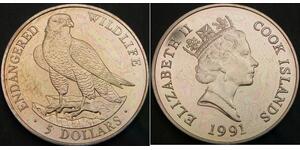
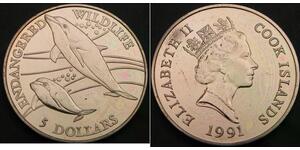
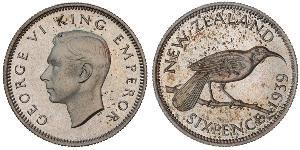
The shift toward modern coinage saw the rise of high-relief proof sets intended primarily for collectors. These pieces utilized advanced technology to strike detailed baselines, often depicting native flora such as Kauri trees or Takahe birds in exquisite relief against silver backgrounds that were otherwise not available commercially in general circulation.
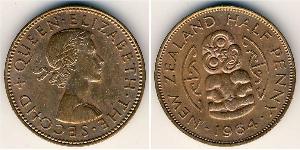
In more recent decades, domestic capabilities have improved significantly alongside technological advancements. The minting process now blends local artistic traditions—incorporating indigenous designs and bicultural motifs—with the precision required for global collectors. While modern technology ensures high-grade finishes on circulating coinage, historical proof strikes from overseas mints remain highly prized by enthusiasts who hunt down items with distinct colonial-era portraits of monarchs like Queen Elizabeth II before her death in 2022.
Notable Coins
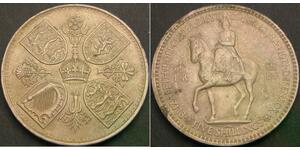
We turn now to the specific issues that define a collector's collection. Perhaps no coin is more historically significant than those issued during the centenary celebrations of key national events, such as Treaty of Waitangi commemorations or Queen Elizabeth II coronation dates.
- The Decimal Introduction (1967): These coins marked the switch to a 2-dollar system. Collectors cherish these for their crispness and because they represent the era when New Zealand established its own monetary identity, featuring designs by national artists that replaced traditional British motifs.
- The Silver Proof Sets: Produced primarily in London or Perth during various reigns of Queen Elizabeth II and now King Charles III. These often featured the "Silver Fern" motif on reverse sides—a potent cultural symbol representing New Zealand's connection to nature and its history as a bicultural society.
- The First Crown Coins: Early attempts at striking coins solely for circulation were typically Australian denominations sold with NZ markings. The transition of these into minted proof sets is where the distinction between everyday money and collector items began forming in the public consciousness.
Cultural Legacy
The legacy inscribed upon these pieces goes beyond mere metal; they are artifacts of a nation's soul. The imagery often reflects that landmasses formed by volcanoes and tectonic activity, represented metaphorically through rugged terrain designs or the Southern Alps on certain proofs.
Māori culture has become an integral part of numismatic expression over time, evolving from being absent in early imperial issues to a centerpiece of modern coinage. Designs feature koru patterns (spiral symbols denoting life and growth) alongside portraits that reflect both traditional European styles and indigenous artistic interpretations. This biculturalism is not just decorative; it represents an acknowledgement of the nation's unique heritage as described by its first settlers from Hawaiki.
For collectors
The enduring appeal of this country for coin enthusiasts lies in its transition story: a small nation carving out space within global commerce through design and diplomacy. Every piece offers a glimpse into the political shifts that turned New Zealand from an outpost to a modern state independent enough to manage its own constitutional monarchy relations with London.
This journey continues today, especially as collectors navigate the era of King Charles III following recent coronations or significant historical anniversaries like those celebrating 1947 independence. For buyers and curators alike, these items offer more than investment potential; they serve as educational artifacts illustrating how a remote archipelago maintained cultural integrity within an expanding British Empire.
In summary, this collection history spans from colonial reliance to modern sovereign expression. Whether through the early Australian strikes that served New Zealand commerce or high-relief commemorative issues depicting local wildlife and indigenous heritage, each coin tells a story of resilience, identity, and economic independence. We invite you to explore these small windows into a vast and evolving historical landscape.