| View |
| preceded by | |
 Namibia (1990 - )
|
| succeeded by |
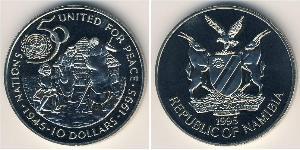
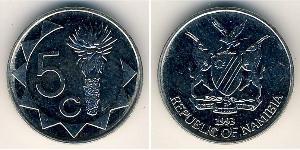
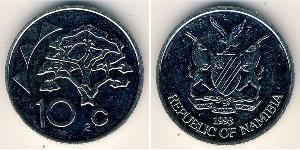
| Namibia (1990 - ) | Link to Wikipedia |
Namibia: History, Coinage and Collectibles
Welcome to our exhibit on the Republic of Namibia, a nation carved out by vast arid landscapes but defined deeply by its complex journey through trade empires and cultural resilience. As your curator for this collection, I invite you not just to view these pieces of currency history as objects of value, but as artifacts that tell the story of how an entire region transitioned from nomadic survival to modern economic sovereignty.
Historical Background
The origins of money in southern Africa are ancient, yet their evolution is tied closely to global political shifts. For millennia before European arrival, the landscape was inhabited by pastoralists like the Khoikhoi and hunter-gatherers such as the San. They lived within a vast desert known historically only as Namib, meaning "vast place." While these peoples traded livestock across long distances using barter systems—exchanging cattle for goods with neighboring cultures—the introduction of European commerce brought radical changes.
In 1878, the Cape of Good Hope annexed strategic coastal points like Walvis Bay. Shortly thereafter in 1884, Germany asserted control over the territory to secure trade routes against British influence under Otto von Bismarck. This era saw the transition from local barter economies—exchanged for waterhole rights and grazing lands—to a monetized colonial system known as German South West Africa (Deutsch-Südwestafrika). The need for currency was driven by this economic integration.
The landscape shifted again in 1904. During a punitive campaign that resulted in profound tragedy, the local administration enforced labor regimes and strict segregation policies. Consequently, coins of varying nations began to flow across borders with increasing regulation. Following the First World War and the Treaty of Versailles, South African forces occupied German territory. The League of Nations transferred the mandate formally to South Africa.
This period introduced significant monetary friction but also trade stability for a time, aligning local circulation closer to British Sterling standards via the Pound system before later adopting the Rand standard under Apartheid administration from 1948 until independence in March 1990. Independence marked not only political freedom but an urgent economic need to break away from foreign currency reliance and establish national monetary identity.
Currency and Coinage History
The numismatic history of this region is best understood through its phases: German, South African Mandate, and Republic. Under the Germans in 1890s onwards, Marks were introduced to standardize transactions between miners (who worked the interior's rich uranium, gold, silver, and diamond deposits) and pastoralists.
The transition period of World War I brought chaos as foreign troops replaced one another. When South Africa took over in 1920, they initially retained marks before eventually introducing Rand currency during their mandate years. However, the local populace remained closely tied to colonial economies until liberation arrived in March 1990.
A major milestone for collectors was reached when Namibia adopted its own sovereign currency: The Dollar (Namibian Dollar), pegged at par with the South African Rand to ensure economic stability during early post-independence growth. This "convertibility" policy allowed local traders and consumers to use both currencies without confusion, though over time, a distinct national identity emerged.
The modern coins issued in 1986 prior to full independence marked a significant shift from colonial imagery—portraits of German officers or distant monarchs—to symbols reflecting the actual land: indigenous wildlife like desert-adapted elephants and camels. This change symbolized economic sovereignty, replacing foreign designs with those representing Namibia's rich biodiversity.
Mints and Coin Production
Coinage production in this region has rarely been centralized entirely within one nation for the entire duration of its existence, a common trait among smaller economies emerging from colonial rule. For decades after 1948, coin circulation was governed by South African policy.
Independent Namibia eventually moved toward minting its own denominations or acquiring sovereign rights to strike coins locally in Windhoek and elsewhere as part of regional monetary integration within the Common Monetary Area (CMA). The choice of metals reflects the nation's economic basis: mining for base metals remains a vital pillar, making silver- and gold-backed compositions natural choices.
Circulation coins typically utilize brass-plated copper-nickel or cupronickel alloys to provide durability against harsh climatic conditions. However, commemorative pieces often feature higher-grade strikes using proof-quality finishes on these same metals, highlighting the craftsmanship applied by skilled artists who seek to immortalize the nation's symbols.
Notable Coins
To guide our collectors toward historical significance rather than mere rarity lists:
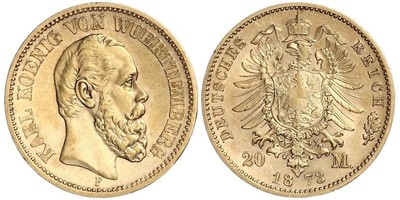
- The Early German Marks (1890s-1904): While many were minted in Berlin or local workshops, these early issues often bear the marks of a young colonial state. They feature imperial portraits and scenes relevant to exploration—trading ships entering Walvis Bay harbor—which served as advertisements for the growing commercial sector.
- The 1986 Independence Dollars: Issued just prior to full sovereignty in March 1990, these coins represented a bold declaration of independence. Their reverse designs often depict local wildlife (e.g., desert elephants or springboks) and the national flag colors red/blue/green/yellow.
- The Diamond Commemoratives: As mentioned in our economic overview, Namibia is richly endowed with minerals. This wealth was captured on coinage as part of celebratory issues marking specific years—often highlighting diamonds or gold mining achievements which were historically vital to the German occupation and remain critical today.
- The Commonwealth Issues: Later coins may feature the monarch's portrait (Queen Elizabeth II), a legacy from its earlier colonial ties, though these eventually transitioned towards republican symbols. These pieces provide context on how political alliances are visualized through metal.
Cultural Legacy
The artistry found in Namibian coinage serves as an encyclopedia of the nation's soul. Look closely at the imagery: you will see silhouettes of desert-adapted fauna, landscapes mimicking the stark beauty of the dunes described by early navigators like Diogo Cão and Bartolomeu Dias centuries ago.
Coinage has become a tool to reclaim cultural identity; rather than simply featuring foreign rulers or colonial administrative buildings, modern issues often highlight indigenous cultures—such as the San people's hunting grounds now preserved in national parks. The art style tends toward bold lines reflecting the strong contrasts of light and shadow found on the arid landscape.
The inclusion of diamond motifs is particularly relevant given Namibia’s history with German South West Africa mining operations which began early trade integration but were often forced labor systems under colonial rule. Modern coins use these symbols to represent wealth that now supports a sovereign state rather than just an imperial treasury, reflecting the shift toward sustainable economic development for all citizens.
For collectors
Namibia holds immense interest today because its currency history acts as a bridge between three distinct eras: German colonial enterprise (Marks), South African mandate influence (Rand/sterling era) and modern independence. The 1986 issues in particular represent the "transition" phase where collectible value is highest, bridging the gap of pre-sovereignty to full Republic status.
The nation offers a unique opportunity for those who enjoy regional history; even though it relies heavily on foreign mints initially (South African Mint), its modern issues have established distinct artistic themes. Collectors seeking "history" rather than just high-value silver will find the most value in coins that narrate this story of independence from colonial rule—pieces where a portrait or landscape represents freedom.
The currency evolution mirrors Namibia's own rise: first, as a trading post; then a penal colony under German and South African mandates; finally, a thriving democracy. Owning these pieces allows you to hold a tangible piece of that transformation in your hand—a journey from the vast empty desert ("Namib") into modernity.