| View |
| preceded by | |
 Montenegro (2006 - )
|
| succeeded by |
| Montenegro (2006 - ) | Link to Wikipedia |
Montenegro: History, Coinage and Collectibles
Historical Background
The history of Montenegro is a narrative woven through the rugged landscape of the Balkans, where geological formation shaped cultural identity. From its earliest inhabitants, the Illyrians who settled among ancient peaks, to the arrival of Slavic peoples in the early medieval period, the region evolved from tribal settlements into organized principalities like Duklja and Travunia. These entities were not merely political units but centers of commerce situated at the intersection of East-West trade routes.
The geopolitical landscape shifted dramatically with the establishment of Zeta in 14th century Crna Gora, a realm that maintained autonomy for centuries despite changing sovereignty between Venice, Hungary-Serbia alliances and Ottoman influence. Coastal cities such as Budva and Kotor remained vital ports under Venetian hegemony until 1797, maintaining distinct maritime trade connections with the Mediterranean world. Following this era of foreign domination, Montenegro emerged through a long struggle against Ottoman rule, eventually gaining semi-autonomy in 1696 under Prince-Bishop Petar II Petrović-Njegoš and full independence later recognized by European powers.
This historical volatility influenced economic systems significantly. As the territory moved from feudal autonomy to kingdom status during World War I, then into Yugoslav federation structures before becoming an independent republic in 2006, each transition required a re-establishment of monetary authority. The internal geography—surrounded by neighbors yet possessing its own Adriatic coastline—fostered unique economic demands for secure currency systems that could withstand both external blockade pressures and internal regional conflicts.
Currency and Coinage History
The evolution of money in this region mirrors the broader shifts from feudalism to modern statehood. In antiquity, foreign silver coins circulated freely across Illyria and later Dalmatia before local mints were established under Venetian control following 1392. These early periods utilized standardized currency accepted throughout trade networks centered on Kotor Bay.
The transition period from Ottoman suzerainty to sovereign statehood saw the introduction of locally issued coinage by the Petrović-Njegoš dynasty, beginning around the late 18th century when semi-autonomous administration allowed for fiscal independence. This era marked a shift toward silver florins bearing the Prince's image and religious symbolism crucial to Orthodox faith.
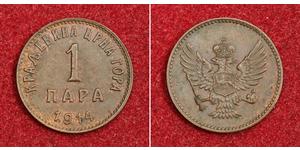
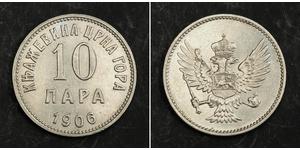
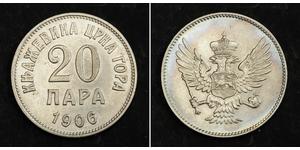
In 1906, Montenegro declared itself a kingdom with full sovereignty recognized internationally in 1913 under international law after Congress of Berlin arrangements were finalized years earlier following wars against neighbors. This statehood era produced gold florins for high-value transactions and silver coins representing the nation's transition to modern market economy structures.
The mid-20th century brought complex currency changes as Montenegro was integrated into Yugoslav federalism, transitioning from national currencies to shared regional standards during the socialist period. Following independence in 2006 after a referendum confirming its sovereign status separate from Serbia, it adopted the Euro alongside neighbor Albania and Macedonia within recent decades.
Mints and Coin Production
During early Venetian administration, coins struck at regional centers like Kotor reflected standard Mediterranean iconography while serving coastal trade needs. The establishment of princely minting authority during independence allowed for artistic expression through the inclusion of local saints, coats of arms depicting bears or mountains found in national identity.
- Coinage traditions shifted from handcrafted casting techniques used by early Slavic principalities to press-stamping machinery adopted after 19th century industrialization reforms. This technological change improved durability and consistency for trade purposes across mountainous terrain where transport logistics were difficult.
The artistic characteristics distinguish Montenegrin coinage through religious motifs like Orthodox crosses and national symbols including eagles. The design aesthetic balanced classical European standards with regional iconography relevant to the local population familiarizing themselves with new monetary forms post-conflict periods.
- Minting technologies evolved alongside diplomatic relations, often utilizing designs that communicated sovereignty visually even during times of occupation when independent mints could not fully function due to external pressure or resource scarcity within neighboring territories. This visual signaling was essential for maintaining economic stability and merchant confidence during transitional governance phases in the late 19th century.
Notable Coins
The collection of Montenegrin coins offers a window into periods where local identity asserted itself against foreign occupation forces. Several types stand out due to their historical significance rather than rarity alone, appealing deeply to history enthusiasts and auction buyers seeking contextual artifacts.
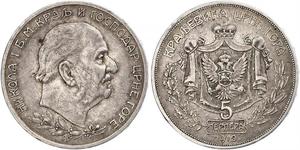
- A silver florin minted during the Petrović-Njegoš rule serves as an early representation of princely authority over local currency systems using distinctive heraldic bearings that combined religious crosses with royal crowns indicating divine right governance models typical across southern Europe before secularization reforms. Collectors value these pieces for their intricate detailing and historical narrative linking faith to statecraft.
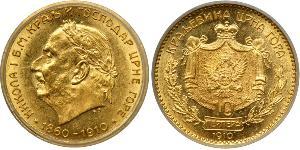
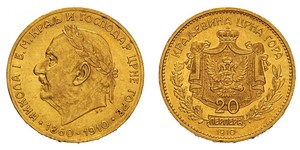
The gold florins issued following World War I when kingdom status was declared provide high-value benchmarks in any numismatic collection from this region, representing the final era of independent royal coinage within Europe before federation integration. Their rarity depends heavily on survival rates after wartime disruptions and inflationary periods that rendered silver issues common while retaining precious metal examples as historical anomalies.
- Post-independence Euro denominations featuring national monuments or natural landscapes from Mount Lovćen onwards reflect modern cultural identity preserved through standard currency designs shared across the continent. These pieces are popular among general collectors because they represent a complete cycle of sovereignty, independence and economic integration within contemporary times while maintaining links to ancient historical geography mentioned in early trade records.
Rarer specimens include those struck during occupation periods where local administration continued operations under foreign oversight using established mints or temporary facilities. These transitional issues bridge the gap between imperial currencies found on Balkan soil before 1906 and modern independent standards issued after 2004 independence process completed following referendum approval in June of that year.
Cultural Legacy
The numismatic legacy extends beyond mere monetary function as it serves a cultural artifact representing the resilience of Montenegrin identity over centuries. Orthodox crosses on early silver coins and later depictions of historical figures such as Petar II Petrović-Njegoš reinforce spiritual continuity from medieval times through modern republic establishment.
Coins often feature natural imagery like mountain ranges or coastal lines that mirror the physical geography described in ancient texts, linking collectors directly to environmental history recorded during Venetian administration periods. The artistic evolution from religious symbolism toward secular designs mirrors the broader societal shift observed across Balkan nations transitioning into nationalistic states following 19th century independence movements.
For Collectors
The monetary history of Montenegro provides a compelling narrative for those interested in how local trade requirements and political sovereignty intersect. The progression from silver florins to modern Euro denominations captures the arc from medieval principality through Ottoman autonomy, Venetian rule, Kingdom independence, Yugoslav integration, and final republic status.
- Enthusiasts are drawn to coins that illustrate transitions between these regimes because they offer physical evidence of diplomatic negotiations occurring on paper manifest in metal form. Scarcity due to wartime destruction makes pre-1945 issues particularly significant for historical reconstruction projects.
Balancing aesthetic appeal with educational value, the collection offers opportunities to explore how art history and economic policy developed simultaneously within mountainous communities that struggled against encroachment from larger empires. Ultimately these pieces tell a story of endurance through metal and design choices made by artisans working under changing flags yet maintaining national continuity in their craft.