| View |
| preceded by | |
 Mongolia (1921 - )
|
| succeeded by |
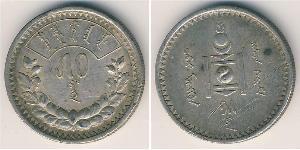
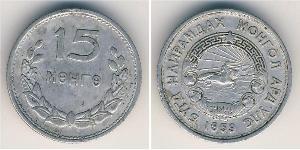
| Mongolia (1921 - ) | Link to Wikipedia |
Mongolia: History, Coinage and Collectibles
Welcome guests to a journey across time, from the vast grasslands of the steppes to the intricate details preserved on ancient copper alloy coins. This article explores how Mongolia’s rich history has been immortalized through its monetary heritage.
Historical Background
Mongolia stands as one of humanity's most enduring civilizations, a land where vast plains have hosted nomadic empires for millennia before the rise of modern nation-states. The story begins thousands of years ago with prehistoric art and early settlements along the shores of Lake Baikal, eventually leading to the formation of great confederations that dominated Eurasia. By 209 BC, a formidable Xiongnu Empire emerged, challenging Chinese dynasties such as Qin and Han for centuries, forcing the construction of defensive fortifications like sections of the Great Wall.
The cultural landscape was further shaped by waves of migration and conversion, most notably with the introduction of Buddhism in the 16th century. This spiritual shift transformed Mongolia from a purely shamanistic society into one deeply rooted in religious practice. The arrival of the Mongols under Genghis Khan around 1206 marked a pivotal turning point. Under him, the vast empire expanded across continents, establishing trade routes that connected East and West during the Pax Mongolica.
The country later became part of the Qing dynasty before declaring independence in the early 20th century following centuries of rule by China’s last imperial house. In a brief interval under Japanese influence known as Manchukuo's sphere or even "Outer Mongolia," sovereignty shifted back to its current path, eventually establishing socialism and then transitioning into democracy around 1990. These historical oscillations provided the backdrop for various political entities that issued currency in response to global geopolitical pressures.
Currency and Coinage History
The story of money in Mongolia is a tapestry woven from diverse influences, beginning with barter-based economies before moving toward complex metal coinages. While ancient nomads relied heavily on trade goods like salt, silk, wool, copper ingots known as "chams," the earliest coins minted within modern borders date to the Qing dynasty era when Mongol princes were granted special currency privileges.
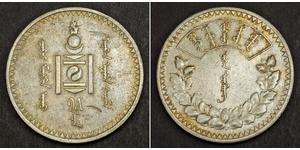
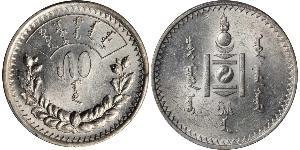
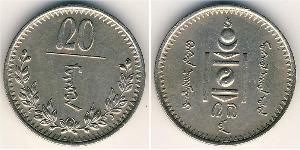
This tradition continued through centuries of turmoil in Chinese history and Japanese intervention before Mongolia finally established its own centralized coinage system. The 1920s marked a significant transition as newly independent Mongolia sought to standardize its monetary supply, minting coins that bore images of eagles, lotus flowers, and nationalistic inscriptions to assert sovereignty away from Beijing or Tokyo.
During the socialist era beginning in 1924, the Mongolian People's Republic introduced currency modeled after Soviet designs featuring hammer-and-sickle motifs alongside local pastoral imagery. After peaceful revolutionaries established democracy around 1990 and adopted a market economy again in the early decades of that century, modern reforms restructured denominations to reflect inflationary trends while retaining traditional cultural symbolism.
Mints and Coin Production
The production centers of Mongolian coinage were often situated within territories under Russian or Qing administration due to limited domestic metalworking capabilities. Early mints operated more as workshops crafting copper tokens for regional circulation before modern facilities could be fully constructed.
Soviet influence was paramount in the mid-20th century, where machinery and techniques introduced from Moscow led to highly standardized designs featuring portraits of national leaders or allegorical representations rather than detailed landscapes. These coins were struck with crisp relief on copper alloy blanks that circulate widely among collectors today. Post-revolutionary issues feature simpler tools designed for mass production, often lacking the ornate detailing found in earlier periods.
Notable Coins
- The Sovereignty Coinage of 1924-1930s: These early independent Mongolian issues feature portraits or stylized depictions of Genghis Khan, emphasizing national pride. They are valuable for collectors interested in seeing how new nationhood was physically represented on coin metal during the formative years of modern state-building.
- The Democratic Transition Issues (1990s onwards): Post-1992 coins introduced after adopting a new constitution showcase traditional patterns including horses, deer stones, and Gobi desert motifs alongside Western-style lettering. These represent both continuity with ancient nomadic roots while adapting to global economic standards.
- The Eagle Denominations: Many high-value commemorative pieces bear the national symbol of an eagle in flight against stylized landscapes or mountains. Collectors particularly prize limited releases that feature rare alloys like silver, which contrast starkly with common copper issues found today at face value only to hobbyists.
Cultural Legacy
Mongolia's coinage serves as a unique medium through which its culture has been communicated visually across centuries. Early coins reflect the influence of neighboring civilizations and trade partners, while later designs increasingly emphasize indigenous heritage such as shamanism transitioning into Buddhism imagery or representations of sacred animals like deer.
The choice to use eagle motifs consistently reflects deep respect for wildlife found native throughout steppes and grasslands where these creatures soar above grazing lands inhabited by semi-nomadic communities practicing equestrian arts passed down orally over thousands of generations. Even modern denominations maintain connection with ancient practices honoring nature while embracing technological advancements in minting techniques adopted globally.
For Collectors
Mongolian coinage offers an educational bridge between nomadic traditions and contemporary economic realities, making it essential for global numismatic study today. The evolution of its currency reflects broader geopolitical changes that transformed the region from isolated steppe cultures to integrated members worldwide markets.
Certain issues remain particularly sought-after by enthusiasts exploring how national identity shifts are physically manifested through design choices made during critical historical moments like independence declarations or regime transitions around 1924 and again after peaceful revolutions in 1989-1990. These artifacts tell stories not just about governments but also ordinary people living alongside herds on endless plains.
In summary, this collection represents more than mere metal pieces—it embodies centuries of human endeavor across one Earth's largest landlocked nations that has survived empires and modernization alike without losing its core spirit rooted firmly in historical memory preserved visibly through coinage traditions passed down for generations worldwide today seeking connections between past legacies present realities.