| View |
| preceded by | |
 Monaco (1297 - )
|
| succeeded by |
| Monaco (1297 - ) | Link to Wikipedia |
Monaco: History, Coinage and Collectibles
Historical Background
Welcome to the world of one of Europe’s smallest sovereign states, a jewel set upon the glittering waters of the French Riviera. To understand why the coinage of this microstate holds such profound numismatic interest today, we must first walk through its storied past. For centuries before it became an independent principality, Monaco existed as "the Rock," or le Rocher, a strategic outpost contested by empires and powers alike.
The narrative begins with ancient legends reaching back to the Hellenistic era, when Greek historians like Hecataeus of Miletus first noted its solitary presence on maps. However, the true story for collectors lies in the Middle Ages. In 1297, a Genoese nobleman known as "Malizia" or the Cunning One captured the fortress under disguise. This event marked the dawn of an era that would last until our modern day: The House of Grimaldi.
Navigating shifting political tides in Europe brought Monaco into complex relationships with both Genoa, Savoy, and France. After occupying territory during the French Revolution only to be restored by international agreement at the Congress of Vienna in 1814, Monaco found itself once more caught between great powers. Following the Treaty of Turin in 1860, sovereignty was formally recognized while financial relations with France grew tighter. This history is crucial for numismatics because early coinage often reflected this struggle to assert independence within a French monetary sphere.
Economic vitality became the key driver of survival and prosperity from the late nineteenth century onward. The rise of the casino culture and banking drew wealthy international residents, transforming what was once an obscure fortress into a global financial hub. This wealth required currency that reflected stability rather than mere necessity. By the twentieth century, Monaco had evolved from a pawn in European geopolitics to a self-governing nation with its own distinct monetary identity.
Currency and Coinage History
The evolution of money on this rock mirrors its political journey. In the early decades following 1860, French currency circulated extensively due to the close diplomatic ties maintained by the Grimaldi princes with Paris. The principality adopted the gold standard through agreements that facilitated trade and tourism without requiring a full minting infrastructure immediately.
A decisive shift occurred in the twentieth century as Monaco sought complete monetary autonomy. Following independence consolidation, authorities began producing their own circulation coins to replace foreign imports. This was not merely an administrative change but a declaration of mature sovereignty. The transition from French Francs to local Monegasque units established distinct numismatic traditions separate from neighboring France.
The introduction of the Euro in later decades represented another milestone, yet unlike other European nations that joined the monetary union reluctantly through treaties imposed by history, Monaco entered with specific protections for its own coinage designs. Collectors recognize this era as one where local artistic preferences were honored on standard circulation currency rather than foreign mints imprinting their marks.
This transition reflects a broader trend in economic development. As banking services and luxury sectors expanded, the metal content of coins remained high quality to instill confidence among international travelers holding Monegasque money for transactions around the world. The shift from silver-gold alloys to modern metallurgy occurred gradually but always maintained an aesthetic standard that appealed to art lovers.
Mints and Coin Production
The artistic character of Monaco’s coinage is inseparable from its cultural identity. While early issues utilized facilities in Paris, the demand for local production grew alongside economic prestige. The mintage process became a specialized endeavor focusing on high-precision striking methods suitable for small denominations.
Design evolution reveals changing tastes within European art history. Early designs often adhered to classical conventions popular among French engravers, featuring laurel wreaths and royal profiles rendered in strict neoclassical style. As the monarchy evolved, later issues incorporated more dynamic imagery reflecting marine conservation efforts and modern architecture visible from the city streets.
Tiny details distinguish these pieces globally. For example, while many coins bear standard national symbols or dates of issuance unique to this state's calendar system (Gregorian), specific mintage marks may vary based on proof production batches rather than official date changes often found in catalogs. This attention to detail is characteristic of the small nation’s desire for perfection despite limited resources.
- Premium metals were used sparingly but selectively, preserving rare specimens from early years when silver was more accessible and expensive.
- Silver proofs struck in high relief served to commemorate historical events within the Grimaldi lineage or specific maritime achievements.
Notable Coins
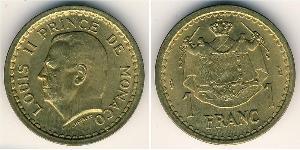
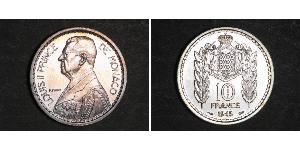
Among collectors, certain issues stand out for their artistic merit and rarity. One of the most revered groups includes silver pieces minted during the reigns of Prince Louis II and Albert I. These coins often feature portraits rendered with dignity, showing an elder statesman or a youthful ruler overseeing maritime activities relevant to local trade.
The 10 Centimes denomination is particularly sought after for its clean design on low denominations used domestically before high-inflation periods altered standard practice. While circulated widely during economic growth in the mid-century, uncirculated examples have appreciated as proof of mint volume and public trust.
Another significant group comprises commemorative gold coins celebrating sporting events or international milestones related to Monaco’s identity. These pieces are crafted with higher metal purity compared to circulation fare, offering a tangible connection to the wealth that characterizes modern life in this sovereign state. The obverse often features the official state coat of arms, while reverse designs highlight local landmarks like the Oceanographic Museum.
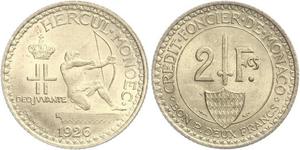
Rare silver issues from the era prior to full Euro adoption are also favorites among auction houses due to their unique artistic styles bridging French art deco and modernist influences found locally in design schools. Collectors prize these for condition factors; pristine examples of early 1900s strikes demonstrate how well-preserved metal can preserve a small state’s history indefinitely.
Cultural Legacy
The coinage serves as an archive of cultural pride and identity expression. Symbols found on faces include the Grimaldi family crest, maritime vessels representing naval heritage tied to Mediterranean trade routes, or stylized laurels referencing ancient origins from Roman times through Hecataeus references.
Economic values are subtly encoded in metal choices too. The presence of gold suggests wealth and exclusivity while silver indicates accessibility for broader citizens holding local currency. This duality reflects the society itself—accessible yet rooted in high finance traditions that attract international investment annually.
For collectors
Motivation:
- Rarity and preservation: Because of population constraints, finding uncirculated coins is challenging despite modern circulation levels being low enough in volume but high value per unit due to metal content.
- Cultural significance:
The numismatic study allows enthusiasts to own small pieces of a rich history involving famous dynasties and ancient maritime routes. These items represent not just currency, but tangible proof that one sovereign state maintained its distinct artistic voice within Europe’s monetary landscape.
Rarity factors:
The enduring appeal lies in their historical authenticity without requiring complex catalog data memorization. They tell the story of how a tiny state achieved financial independence while maintaining artistic excellence alongside powerful neighbors like France during tumultuous periods of European history and modern geopolitical shifts.