| View |
| preceded by | |
 Mayotte (2011 - )
|
| succeeded by |
| Mayotte (2011 - ) | Link to Wikipedia |
Mayotte: History, Coinage and Collectibles
Historical Background
The narrative of Mayotte is deeply rooted in the windswept waters of the Mozambique Channel. For centuries, this volcanic cluster emerged as a vital waypoint for maritime trade between East Africa and Europe. The earliest settlers arrived from neighboring regions along with Arab merchants who introduced Islam to the islands around 1500, establishing early sultanates that governed local commerce well before European intervention reshaped the political landscape.
The island's geology played a fundamental role in its economic destiny. Its volcanic origins created fertile soil ideal for agriculture and coconut production during earlier centuries of colonization. This geography facilitated a thriving trade network involving spices, copra, and cloves that attracted Portuguese ships from early voyages before France consolidated control in the mid-nineteenth century.
In 1841, King Andriantsoly ceded sovereignty over the territory to French rule after conflicts with Madagascar. For nearly two centuries, Mayotte existed under an imperial administration that prioritized stability within its overseas territories. When neighboring archipelagos like Comoros gained independence in the mid-twentieth century and again following the referendum of 1974, the local population chose to retain ties with France rather than joining independent neighbors.
This decision defined Mayotte's identity as a distinct territory unlike others in the Indian Ocean. It became an overseas department later on March 31st, 2011, and entered formal membership of European Union structures shortly after that transition period began.
Currency and Coinage History
The monetary history of Mayotte mirrors broader trends within the French Empire in Africa. In early centuries, commerce relied heavily on barter systems involving produce grown directly from the fertile volcanic soil such as copra oil, dried fish, and spices.
Towards the late nineteenth century, portable metal currencies became necessary for international trade with Indian merchants and shipping lines. Coins circulating during this period included French silver coinage adapted to colonial needs alongside standard British East Africa currency used in adjacent waters due to proximity routes via Zanzibar islands.
The establishment of local governance following 1841 allowed the administration to issue specific decrees regulating trade goods rather than minting new metal, relying on supply from central French mints. This meant that until the twenty-first century, no distinct coins were manufactured solely for Mayotte but standard national currency circulated freely throughout the island.
The transition of modern economic integration occurred gradually over decades as the territory integrated into CFA Franc systems and later adopted the euro alongside metropolitan France territories in the archipelago context during 2014. For collectors, this path highlights how local governance choices influenced monetary identity within a wider regional economy.
Mints and Coin Production
The production of coinage for overseas departments was centralized rather than localized due to logistical constraints across the ocean basin. Standard French mints such as those located in Paris or Pessac handled most official strikes before circulation extended into colonial territories where local infrastructure might be underdeveloped.
This approach meant that collectors often find coins produced specifically for larger metropolitan zones but used extensively within smaller islands like Mayotte due to their status as part of a unified monetary union. While no dedicated mint existed on the island, regional economic centers influenced design choices and legal tender policies which dictated what currency circulated in local markets.
The shift towards standardization meant that while designs evolved over centuries they maintained consistency with national heraldry or colonial administration symbols rather than developing unique indigenous artistic styles found elsewhere. This centralized approach was practical but also shaped the numismatic heritage available to historians and hobbyists today by limiting production runs for small territories specifically.
Notable Coins
The most significant objects of interest are French Francs issued during colonial periods that circulated through the archipelago. These often bear legends referencing regions such as Madagascar or Réunion where designs sometimes influenced adjacent island currencies even when official usage was restricted to specific territories.
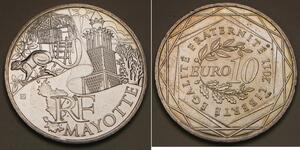
Following independence movements in 1975 and subsequent alignment with France again, collectible items focus on standard issues bearing French national symbols used locally during the transition period towards Euro adoption. The introduction of coins featuring local fauna or geographical markers became a priority once full sovereignty status within Europe was established more fully later.
In addition to circulating currency pieces, commemorative tokens occasionally issued by administrative bodies reflect specific events like infrastructure completion projects at Dzaoudzi Pamandzi Airport mentioned earlier in the history. These objects serve as historical documentation rather than pure commercial tools.
Cultural Legacy
The coinage systems adopted and utilized throughout Mayotte's history have always reflected its deep connection to Islamic traditions established by Arab traders centuries ago. Religious motifs were less common on official French issues but influence persists in local artistic interpretations found within cultural artifacts kept alongside monetary specimens.
Modern economic symbols reflect agricultural products vital for export during colonial times such as cloves or sisal while contemporary designs emphasize the territory's status within European Union borders through use of standardized euro imagery. The enduring legacy is one that balances historical trade routes with modern administrative integration into continental economies.
For collectors
The collecting interest in Mayotte extends beyond mere monetary value to its significance as a bridge between colonial heritage and contemporary governance structures within the Indian Ocean region. While standard issues may appear identical across metropolitan departments, historical context provided by archives reveals unique circulation patterns specific to this island nation.
This area remains important because it represents one of few territories remaining attached to France despite surrounding neighbors achieving independence decades earlier. For historians examining economic transition periods from barter to formal unionization with mainland Europe or CFA systems the documented history serves as a critical study in how local trade was unified under imperial standards without distinct independent production centers until very recent years.