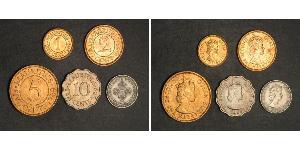
| View |
| preceded by | |
 Mauritius (1968 - )
|
| succeeded by |
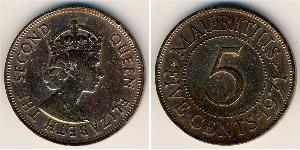
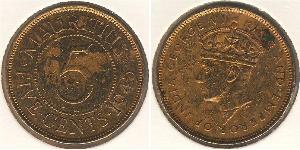
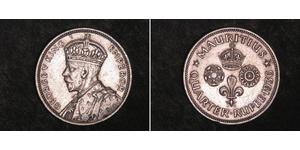
| Mauritius (1968 - ) | Link to Wikipedia |
Mauritius: History, Coinage and Collectibles
Welcome to a curated exploration of the Republic of Mauritius. As we examine this island nation in the Indian Ocean, you are not merely looking at history from afar; rather, you hold fragments of its economic evolution within your palm.
Historical Background
The story of Mauritius begins as a wilderness untouched by human hands until Arab traders ventured into the ocean in roughly 975 AD. By 1638, however, Dutch merchants had arrived seeking ebony and spices. They were followed quickly by French settlers who transformed this isolated paradise into the "Isle de France," establishing one of the world's largest sugar production centers.
This agricultural revolution defined the island’s social structure for two centuries. The economy was driven almost exclusively by sugarcane cultivation, a labor-intensive industry that required massive capital flow and trade with Europe and India. Money in this era did not merely facilitate transactions; it represented the lifeblood of sugar. As the plantation owners grew wealthier, they needed reliable exchange mechanisms to pay wages (and rations) for thousands of enslaved people who brought the plant cuttings from Java.
The colonial transition saw a significant shift in power and currency when Britain seized control during the Napoleonic Wars of 1810. The island became part of British India, though it remained geographically distinct. This dual identity—the "Pied-a-terre" of French culture within an English-speaking empire—created a unique social tapestry that would eventually influence the imagery stamped upon metal.
In 1968, Mauritius gained independence from Britain and established itself as a republic in 1972. This transition marked a turning point for its monetary system. The island was small relative to the major empires of London or Calcutta, yet it possessed a unique culture that would soon find expression not just on postage stamps, but increasingly on coinage following independence.
Currency and Coinage History
In the early years of British administration, there was no local mint capable of producing sufficient currency for such an expanding plantation economy. Consequently, Mauritius relied heavily on circulating Indian Rupees and silver shillings from Calcutta or Bombay.
This reliance created a fascinating historical anomaly: coins found in Mauritian soil were often milled in India to reflect British designs but circulated as local trade currency during the sugar boom of the late 19th century. During this period, there was virtually no coinage struck specifically for Mauritius until after independence.
The early numismatic narrative is dominated by scarcity rather than abundance. Many French copper pieces minted around the mid-18th century are incredibly rare because they were often melted down or hoarded as bullion value in later years, especially given that the colony functioned on a cashless barter system for much of its existence.
The British government generally issued currency to support trade but preferred paper notes due to their cost efficiency. However, silver circulation was essential for international payments involving sugar exports and timber imports from Australia or New Zealand. The history here is not one of a grand imperial mint opening doors in Grand Port District, but rather the careful management of foreign metal flow into a small economy.
Mints and Coin Production
- The French Era (18th Century): Very limited, local copper coinage. These were often hand-struck pieces of varying quality used by planters for wages.
- The British Pattern Period: Coins arriving from India via Bombay Mint. The minting process was largely industrial and removed from the colony itself to save costs.
- Post-Independence (1970s+): After 1968, Mauritius began commissioning silver sets often struck in major mints like India or London. These coins featured high relief designs celebrating local wildlife.
The tradition of coin production here is defined by a transition from imported bullion to sovereign minted currency. Before independence, the "mint" was essentially a logistical route rather than a building on the island. When coins were finally produced in large quantities under national authority post-independence, they featured high-quality artistic relief work often commissioned for collectors and tourists.
Notable Coins
- The French Copper Pieces (1780s): These are the crown jewels of early Mauritian numismatics. Rare, often crudely struck copper halves or shillings bearing French colonial iconography and local language inscriptions.
- Silver Shillings (Late 19th/Early 20th Century): Circulating in the colony alongside Indian currency. These represent the final days of direct imperial circulation before independence.
- The Republic Silver Series: Following 1968, coins were minted to mark sovereignty. These often featured unique depictions endemic only to this island nation—birds like the Echo Parakeet and the Pink Pigeon, rather than generic imperial symbols found on other Commonwealth issues.
The most prized examples are generally not common circulation pieces but specific commemoratives produced in silver that celebrate the unique biodiversity of this island state. Because Mauritius is so small, any coin production here for export or internal commemoration was often high-value and limited-run.
Cultural Legacy
Coinage serves as a frozen mirror of culture. In Mauritius, this is visible through design choices that pivot away from heavy industry or warfare—common motifs elsewhere—and towards nature conservation and religious harmony (Hinduism being the dominant faith).
While early colonial pieces were purely transactional for sugar wages and trade bullion, later issues celebrated the "welfare state" aspects of society. The designs reflect a desire to tell a story of peace and biodiversity rather than conquest or industrial might.
For Collectors
Mauritius remains an important category for serious collectors not necessarily because it was the largest issuer, but precisely because it was one of the smallest independent issuers in Africa. Its position as a hub between Europe and Asia gave its early currency immense significance.
Rare Opportunities
- Silver Issues: Focus on the post-independence silver issues which feature high relief designs distinct from standard Commonwealth patterns. These often have higher mintage counts than earlier copper, but remain valuable for their artistic merit.
- Copper Fragments: Early French pieces are sought after by specialists in European colonies because of their scarcity and historical connection to the sugar plantation era where currency was secondary to raw materials.
This history offers a rich tapestry for any enthusiast studying small colonial economies. When handling these items, remember they are not just metal; they carry the weight of trade routes and imperial transitions from Calcutta to Port Louis.