| View |
| preceded by | |
 Martinique (1635 - )
|
| succeeded by |
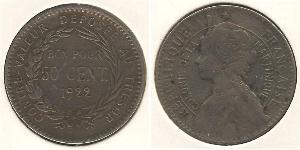
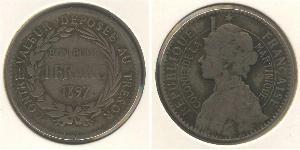
| Martinique (1635 - ) | Link to Wikipedia |
Martinique: History, Coinage and Collectibles
Historical Background
The narrative of Martinique is one written in the languages of sugar, spice, trade, and liberty. From its earliest encounters with Christopher Columbus to its integration into modern Europe, this volcanic island has served as a vital hub in the West Indies. For centuries, it was occupied first by Indigenous peoples like the Saladoid and Kalinago before becoming a strategic French possession starting in 1635. Under the rule of Pierre Belain d'Esnambuc and his successors, Martinique evolved from an isolated outpost into one of France’s most profitable sugar colonies.
The island's history was defined by intense economic cycles tied to global trade routes connecting Europe, Africa, America, and Asia. For collectors interested in the era, this context is crucial: the wealth generated here did not circulate as local coins initially but rather flowed from international bullion markets—driven largely by Spanish silver dollars that were widely accepted throughout the Caribbean regardless of origin.
The social fabric was equally complex. The settlement saw significant Huguenot populations and later relied heavily on enslaved labor before shifting toward a more diversified economy post-abolition in 1848. Following British occupations between 1762, 1793, and during the Napoleonic era, Martinique remained resiliently tied to France until it became an outermost region of the European Union. This geopolitical journey—from Indigenous refuge site to French department—establishes a unique numismatic provenance that collectors must understand before evaluating artifacts from this territory.
Currency and Coinage History
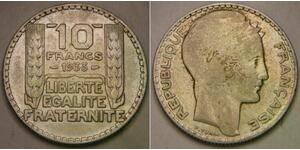
The monetary history of Martinique is distinct because, as an overseas integral part of France for much of its existence, it did not operate with sovereign coinage in the same way independent nations do. Instead, the local currency followed the strict standards of the French monarchy first, then the First and Second Republics.
In the early colonial period (17th to 18th centuries), standard gold and silver coins minted in Paris were used for large transactions on plantations, while smaller daily commerce relied heavily on foreign currencies brought by merchants from Europe. The most ubiquitous coin found during this era was not French but rather Spanish real of eight or copper pieces imported via merchant ships.
The introduction of the Euro marked a final integration into European financial systems in 1999 (with physical coins and notes following shortly after). However, for collectors with a focus on historical periods prior to the late 20th century, understanding that Martinique utilized French currency is paramount. The transition from copper coinage used by local planters in the centuries past reflects the island's economic reliance on France before it eventually adopted modern decimal standards.
Mints and Coin Production
Unlike many independent colonies which built their own mints (as seen with Canada or India), Martinique relied almost exclusively on production centers located in metropolitan France. The Paris Mint produced the vast majority of coins that circulated there, though occasionally smaller denominations might have been adjusted for colonial usage.
However, numismatic significance often lies not in regular circulation coinage—which tends to be generic French currency—but in commemorative strikes and medals. During periods when Martinique was under direct British control (roughly 1762–1809), the island circulated Royal Mint English copper coins alongside French silver, creating a fascinating mixed economy artifact for collectors.
The minting traditions are further defined by local craftsmanship on paper money later in history. After independence or distinct regional status was solidified, specific note designs often featured prominent Martinican landscapes like Mount Pelée and the Pitons du Carbet to ensure visual identification of French territories abroad.
Notable Coins
For collectors, "coinage" in a historical context involving colonies often extends beyond standard circulation issues to include commemorative medals that capture pivotal moments. Three categories are most important for the connoisseur:
- The Emancipation Medals (1848): Following the abolition of slavery on 23 May, which ended bondage in Martinique and other French territories years before Britain, special commemorations were struck by mints across France. These medals often feature portraits of Victor Schœlcher, a celebrated advocate for freedom whose campaigns led to this decree.
- The "Trade Dollar" Surfaces (17th-19th Century): While technically foreign coins (Spanish Reales or British Florins), these are highly sought after in archaeological collections. Finding one with the inscription of a King on its obverse but bearing heavy wear from Martinican trade use connects collectors directly to 400 years of plantation history.
- The Euro Commemorative Issues (Post-1999): Once the island adopted the currency, specific design elements were introduced. Collectors focus here on local issues or standard coins used for local tourism events featuring volcanic imagery rather than traditional French landmarks found on metropolitan series.
Cultural Legacy
The coinage and money of Martinique serve as a mirror to its diverse culture, reflecting the blend of Kalinago roots, African heritage, European colonial rule, and modern Caribbean identity. The currency itself has shifted from tools of oppression (gold for slave masters) to symbols of independence and liberty.
In 2016, coins were struck with specific designs referencing the Pitons du Carbet—a UNESCO World Heritage site—and Mount Pelée volcano eruptions that shaped the island's landscape. These modern representations celebrate resilience in an era where Martinique is a thriving part of Europe while remaining culturally Caribbean.
For collectors
Martinique offers a unique study case for historians and coin enthusiasts alike, bridging colonial trade networks with modern integration into the European Union. For those studying numismatics in this region, looking beyond standard circulation coins to find historical medals or foreign currency used locally is key.
- The island remains important due to its connection to major events: the abolition of slavery and the ongoing struggle for cultural preservation amidst French administrative influence.
Museum pieces often feature artifacts from this region as they hold stories of migration, trade voyages across the Atlantic, and social reform. Collectors should appreciate that these items represent not just metal value but a narrative spanning centuries—from early colonial settlement to modern UNESCO heritage status—making them enduring symbols of human enterprise in the Caribbean.