| View |
| preceded by | |
 Marshall Islands (1979 - )
|
| succeeded by |
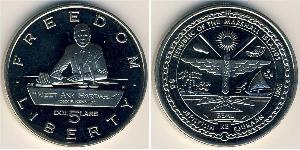
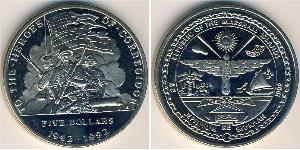
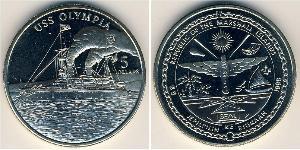
| Marshall Islands (1979 - ) | Link to Wikipedia |
Marshall Islands: History, Coinage and Collectibles
Welcome to an exploration of the Republic of Marshall Islands through the lens of history and numismatics. To understand this Pacific nation is first to appreciate its profound isolation from traditional monetary systems for centuries.
Historical Background
The narrative of money in Micronesia begins not with metal but with navigation. Long before coins entered circulation, the Marshallese navigated their watery borders using a sophisticated understanding of oceanography and astronomy. Radiocarbon dating suggests habitation as early as 100 BCE or even earlier by Austronesian settlers arriving from Solomon Islands. These ancestors introduced staple crops like coconuts and taro.
In these atoll communities, the economy was largely subsistence-based for a long period of time; barter systems involving local goods were sufficient to meet needs until contact with outside powers disrupted this balance in the 19th century. When European galleons first skirted these waters in the mid-600s and Spanish expeditions arrived by the late 1500s, it was still a remote frontier of trade.
The geopolitical landscape shifted significantly with German annexation as a protectorate in 1885. The economy transitioned toward copra production (coconut meat), which became the primary export commodity connecting these islands to global markets via ship routes controlled by Germany and later Japan during their brief occupation before World War I.
The devastation of World War II introduced new realities, as the US Navy conducted nuclear tests at Bikini Atoll between 1946 and 1958. Post-war administration under the Trust Territory established a framework for modern sovereignty in 1979 and eventual full independence by late-20th century standards through a Compact of Free Association.
Currency and Coinage History
The numismatic history here is defined less by local minting and more by currency circulation. Unlike many sovereign nations, the Marshall Islands did not maintain an active domestic coinage for general commerce prior to modern times; rather it utilized circulating United States Dollars.
- Colonial Standards: During German administration in the late 1800s and early 1900s, trade dollars often circulated alongside local barter goods. After World War II occupation by Japan followed by US Trusteeship (Trust Territory of the Pacific Islands), Japanese Yen were displaced gradually as American administrators standardized currency usage to facilitate relief efforts.
- The Compact Dollar: By 1978, when independence was granted and a compact formed with America in late-20th century milestones, the US dollar became the official medium of exchange. This choice highlights the islands' economic reliance on American aid and integration into Pacific supply chains.
This unique monetary reality distinguishes these collectors from those focused solely on state-minted national currencies found elsewhere in Oceania.
Mints and Coin Production
A striking fact for the seasoned collector is that this nation lacks a physical minting facility within its own borders, at least historically speaking. Coins seen in circulation today are largely standard-issue US Mint products utilized across Micronesia's trust territories or specially authorized commemorative pieces released to honor heritage.
- Sourcing: Standard coins have traditionally been sourced from the United States due to its close defense and trade agreement with Washington. Collectors find high-grade examples in circulated markets that reflect decades of ocean-going commerce history rather than local fabrication.
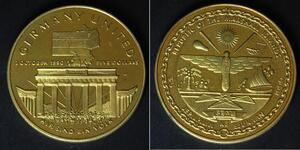
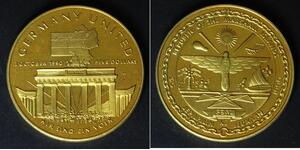
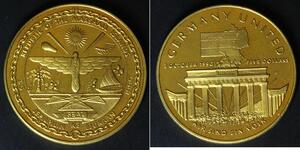
- Modern Production: As demand for official recognition grew, government agencies began issuing limited-run commemorative pieces or specialized collector items approved by the Republic to celebrate cultural milestones and historical figures. These serve as proxies for a missing domestic mint legacy.
This reliance on imported coinage reflects an administrative philosophy where the currency is viewed not merely as money but as a tool of international relations, linking the archipelago economically with its continental partners rather than seeking isolation in indigenous monetary development.
Notable Coins
The collection landscape for this region focuses on modern issues that encapsulate ancient history. While no significant historical minting records exist prior to independence-era commemorative efforts, several designs stand out as essential pieces:
- The Stick Chart Commemoratives: Perhaps the most culturally resonant issue in circulation celebrates Marshallese stick charts—ancient maps used by sailors that record swell patterns. Modern collector coins depict these intricate woven artifacts alongside star constellations, linking pre-contact navigation art with contemporary appreciation for indigenous knowledge.
- Cultural Heritage Tokens: Coins featuring the Iroij (chefs) or significant cultural leaders highlight how leadership was maintained through oral tradition rather than metallic currency. Collectors value designs that honor paramount chiefs and their descendants who preserved traditional governance structures long after colonial rule ended in late-20th century.
- Nuclear Test History Issues: Some special editions address the somber legacy of nuclear testing at Bikini Atoll during WWII administration era, serving as educational numismatic pieces about scientific history and environmental stewardship that remains relevant for collectors interested in modern Pacific heritage themes.
The most valuable examples are often proof-quality versions released to mark centennials or specific anniversaries of the nation's independence. These designs allow enthusiasts to explore a country where the "money" is actually an artifact of global connection rather than local industry.
Cultural Legacy
In Marshall Islands, currency functions as both a tool for commerce and a vessel for cultural storytelling.
- Ambassadors to International Commerce: As one of the four atoll-based nations in Oceania (with Kiribati or Tuvalu), it shares maritime boundaries with Nauru, Federated States of Micronesia, and others. Its currency choice signifies economic alignment within a free-association compact.
- Cryptocurrency Innovations: More recently, the government has explored digital currencies as modern forms of value exchange alongside traditional USD notes in high-denominational contexts or collector editions released to celebrate technological leaps rather than purely monetary utility. These innovations reflect how the islands bridge ancient navigation traditions with future-facing economic models.
The visual design philosophy often prioritizes natural beauty—coral atolls, vibrant star charts of Ursa Minor, and oceanic creatures over traditional depictions of state leaders found in Europe or America. This emphasis on nature aligns perfectly with an economy where fishing remains a cornerstone industry.
For Collectors
The Marshall Islands represents a fascinating niche for specialists who appreciate the history behind monetary systems and Pacific cultural evolution. The absence of early indigenous coinage makes this region stand out in contrast to neighbors like Palau or Niue that actively mint high-denomination currency.
- Rarity Factor: Because standard coins are US imports, true "rarity" lies not in metal content scarcity but rather in the availability of specific commemorative issues produced for cultural preservation. These pieces offer a way to own artifacts related to stick chart navigation history without needing to be an anthropologist.
- Potential Value: For serious investors, these modern limited-run collector items serve as tangible evidence of the islands' unique political status under Compact Free Association agreements with America while celebrating indigenous heritage like coconut cultivation and ancient star charts. The 2018 plans for a cryptocurrency tender also mark an intriguing evolution in how collectors might view value exchange on this atoll nation.
In summary, the Marshall Islands invites you to look past the metal itself and consider what it represents: centuries of isolation giving way to global engagement. Whether holding a standard dollar used for decades or a modern commemorative honoring ancient navigators, each coin tells part of an ongoing story about how people in small islands connect with vast oceans.