| View |

 Manchukuo (1932 - 1945)
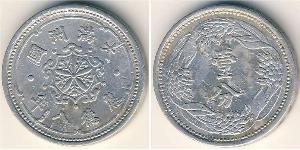
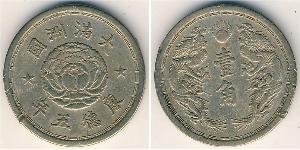
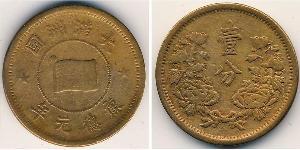
| Manchukuo (1932 - 1945) | Link to Wikipedia |
Manchukuo: History, Coinage and Collectibles
Welcome to an exploration of a fleeting state that left an enduring mark on monetary history. Manchukuo represents a unique chapter where East met West under the shadow of World War II. As you examine these pieces in your collection, imagine holding not merely silver or copper, but artifacts from a region caught between tradition and modern imperialism.
Historical Background
To understand the coinage produced here, one must first grasp the political landscape that birthed it. In the aftermath of the 19th century treaties with Russia which ceded large swathes of northeastern China to foreign influence, Manchuria became a strategic battleground for global powers. Following the First World War and subsequent conflicts in Europe, Japan positioned itself as the protector of Asian interests against Western imperialism.
The region was historically ruled by the Qing dynasty before its collapse following the 1911 Xinhai Revolution. The final emperor, Puyi, had been deposed yet remained a symbolic figurehead in national memory. When Japanese forces occupied Manchuria around 1932, they sought to legitimize their control through this historical connection.
The state was established nominally as an independent republic before evolving into the Empire of Manchukuo under Puyi’s regency in 1934. While local culture—Manchu traditions mixed with Han Chinese heritage—and Japanese administration were blended, political reality remained strictly controlled by Tokyo. This uneasy truce shaped the economic systems; trade relied heavily on resources extracted from locals to supply Japan's war industries and its own domestic needs.
Currency and Coinage History
Moving into 1935, Manchukuo attempted monetary autonomy but largely followed a path dictated by Japanese financial policy. The initial currency system retained elements of the pre-existing taels, reflecting deep-seated local customs where weight-based standards still influenced value in rural markets.
The state transitioned to modern silver coinage quickly once it declared itself an empire. This move aimed to align with global trading blocks and facilitate easier exchange with Japan’s own yen-backed currency system. As the Japanese administration consolidated power, particularly after 1935 when full monetary control was seized from China proper, these coins became effectively identical in value but distinct in design.
Silver circulated widely for significant transactions, while copper and brass denominations handled daily commerce among locals. The existence of two regimes—Manchukuo on one side, the Japanese puppetry on another—created a dual-natured currency system that collectors must learn to navigate through iconography rather than face value.
Mints and Coin Production
The mints responsible for these coins were few in number but significant in output. The primary facility was located within the city of Dalian, a strategic harbor point now known as Port Arthur or Dalan under Japanese administration at that time. This location provided easy access to shipping lanes.
Production often utilized dies from Tokyo Mint factories, meaning these Manchurian issues were technically extensions of the Imperial Mint's output but designed with specific regional political mandates. Artistic choices became paramount; designs needed to appeal locally while satisfying Japan’s aesthetic requirements for imperial representation.
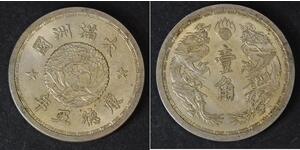
The minting traditions blended Western techniques—engraving styles reminiscent of French and British mints—with traditional Chinese motifs such as dragons, phoenixes, and floral patterns symbolizing peace and prosperity for the Manchu people. However, these symbols were often placed alongside Japanese flags or crests to signify sovereignty under a new hegemony.
Notable Coins
The portrait of Emperor Puyi is perhaps the most defining feature in any Manchukuo collection piece issued after 1934. Early issues might display him as a young regent with traditional robes, emphasizing his cultural heritage and connection to ancient lineage.
- Silver Silver Taels (Yuan):
- Copper Cash Denominations:
- Premature Issues and Error Pieces:
Historical Context: These coins often feature a double portrait on one side. This is distinct from standard Japanese yen; it includes Puyi's profile alongside symbols of the new state.
Design Features: Expect to see intricate details in traditional dress, perhaps holding scepters or wearing ceremonial headdresses. The reverse typically bears the name "Manchukuo" written vertically alongside stylized floral designs representing unity between Manchu and Han cultures.
Historical Context: Essential for local market trade before modern banking took hold, these coins were issued frequently but melt into the scrap pile of history more often than their silver counterparts.
Design Features: These are usually simpler engravings featuring traditional Chinese characters or numerals representing value (like 10 cent). They reflect daily life where merchants exchanged goods locally using established regional standards rather than modern international trade values.
Historical Context: Given the political transition from a republic to an empire, die changes were rapid. Collectors often prize examples with incorrect denominations or those bearing early republican symbols rather than imperial ones.
Importance for Collectors: These rare pieces serve as tangible evidence of how quickly political winds could change in wartime Asia where legitimacy was constantly renegotiated between Japanese officials and local collaborators.
Cultural Legacy
The coinage serves as a poignant reminder of the intersection between history, culture, and tragedy. As you hold these artifacts, consider them more than mere currency—they are visual records of Puyi's lost dignity. He was often forced to wear imperial robes while under strict surveillance by Japanese officials.
These designs reflect an attempted fusion where traditional Manchu heritage served as a backdrop for modernized Japanese control. They were intended to inspire pride among the populace, yet in reality they represented subjugation and resource extraction fueling Japan’s military machine throughout the Second Sino-Japanese War.
For Collectors
In your pursuit of numismatic treasures from this period, focus on authenticity. Many pieces found today were recovered after World War II when Soviet forces liberated Manchuria in 1945 and dismantled state infrastructure alongside their conquests, often resulting in significant loss or melting down.
The scarcity is inherent to the narrative itself; much of the silver was melted by retreating armies or looters during chaotic wartime years. Finding high-grade specimens with sharp details—especially those showing fine engravings on Puyi’s face—is becoming increasingly rare as time wears away surviving examples.
These pieces offer a gateway into understanding how art and money function under occupation, serving as educational tools for history enthusiasts studying the geopolitical tensions of 1930s Asia. Collecting them is an exercise in preserving memory; every coin tells part of the story of that brief experiment with "independence."