| View |
| preceded by | |
 Malta (1964 - )
|
| succeeded by |
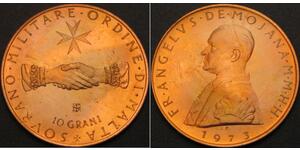
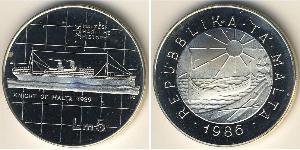
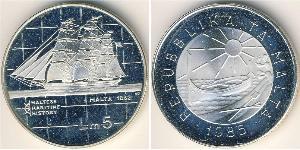
| Malta (1964 - ) | Link to Wikipedia |
Malta: History, Coinage and Collectibles
Historical Background
Welcome to a narrative that stretches back more than six millennia, anchored in one of Europe’s smallest yet most significant geographies. Malta is an island nation situated at the crossroads of continents, nestled deep within the Mediterranean Sea between Sicily and North Africa. This strategic position was not merely geographical; it turned this archipelago into a vital maritime waypoint throughout human history.
The story begins in antiquity. Before recorded history, these islands served as meeting points for Mesolithic hunter-gatherers who crossed open water to reach shores unknown until the Bronze Age brought new cultures and technologies. Later waves of settlement were driven by necessity and trade: Phoenician traders arrived after 1000 BC, establishing Malta, known then under the name Ann or Mlita as a crucial stop on their routes between the eastern Mediterranean and Spain.
The political landscape shifted frequently during these ancient eras. After the fall of Carthage in the Fourth Century BC, Roman power solidified its hold over the islands around 218 BC following two major conflicts known collectively to Romans as Punic Wars. By becoming a Foederata Civitas, Malta gained autonomy while remaining under jurisdiction within Sicily's province.
This era set the foundation for an enduring tradition of foreign governance and cross-cultural integration that would define Maltese culture forever. The island later came into possession by Knights Hospitaller in 1530 AD. These religious military order ruled Malta as sovereign entity until Napoleonic Wars displaced them to France briefly, before returning it under British Crown.
In modern times, these historical layers of civilization culminated when Italy annexed territory but was soon followed by independence movement that led back toward self-determination and current nationhood established fully with 1964 parliamentary republics structure within Commonwealth membership context which continued until joining European Union in early twenty-first century.
Currency and Coinage History
The monetary evolution of Malta reflects its turbulent yet dynamic geopolitical status. In ancient times, coins minted here were primarily used by passing merchants rather than for local taxation due to the depopulation periods described earlier where populations migrated in response to environmental shifts or plagues.
Rome introduced bronze coinage during early first century BC usage when Melita became a Roman colony and production ceased locally but continued through later centuries. These coins circulated heavily because of island's strategic importance serving as naval base for Western Mediterranean fleet operations against pirates before Carthaginians established bases nearby which disrupted trade flows until Romans secured dominance.
The next significant chapter involves Knights Hospitaller rule, when Malta became an official state with distinct identity separate from surrounding regions. Silver production began to flourish during this Baroque period between 17th and early eighteenth century under Grand Master Jean de la Cassiere or later rulers who commissioned silver pieces that served dual purpose: circulating currency for daily commerce among islanders while also serving as prestigious souvenirs sought by visiting dignitaries, pilgrims traveling through ports like Valletta which were known then for hosting religious orders.
When British rule began in early nineteenth century after 1802 AD under Treaty of Amiens that ended short war between France and Britain during Napoleonic era until peace settlement restored control over Malta again following Trafalgar victory. Following this transition, copper coins were introduced to replace older silver denominations which had fallen out circulation or been withdrawn entirely.
The British colonial administration oversaw modernization of infrastructure including roads bridges water supplies all funded through taxation collected largely in pounds sterling until independence allowed adoption of own central bank policies leading up to Euro membership adopted 2008 monetary union date aligning with other EU members replacing local currency usage within European context entirely.
Mints and Coin Production
The mint history is closely tied to the island's role as an administrative outpost. During the Knights Hospitaller era, goldsmiths were brought in from Florence or Venice where production centers flourished near Valletta port areas taking advantage of skilled artisan labor traditions present since ancient Greek times mentioned earlier regarding honey producing bees that inspired name origins themselves.
The minting process involved importing precious metals for silver coins while copper was often cast locally due to cheaper acquisition methods from local ore sources or recycled old coinage brought in by traders arriving via Sicilian routes. Designs featured heraldic symbols reflecting order's mission to protect the faithful including crossed keys representing Peter’s authority alongside Maltese Cross which became national emblem adopted later during independence era.
Notable Coins
A number of coins stand out within collecting circles for their historical resonance and aesthetic value. One notable series comes from Baroque period when Knights Hospitaller issued large silver pieces often depicting Grand Masters seated or standing on thrones surrounded by intricate religious iconography including saints patrons such as Mary Mother God depicted holding child Jesus.
The British occupation produced a range of circulating copper bronze denominations featuring monarchs portraits along with national arms incorporating Maltese cross at center. These coins reflect transition from purely European designs toward hybrid styles blending traditional English motifs adapted to Mediterranean settings using warmer colors suited for local climates rather than cold northern steel production standards.
The final major pre-Euro series introduced new imagery celebrating independence celebrations which led into Euro adoption in 2008 allowing Malta first country outside Scandinavia region join monetary union alongside Spain Portugal France Germany Italy Poland Hungary Slovakia Estonia Czech Republic Bulgaria Slovenia Cyprus Liechtenstein Montenegro Kosovo Andorra Monaco San Marino Vatican City States among others.
Cultural Legacy
The numismatic legacy of Maltese coins mirrors its rich cultural tapestry. The design motifs used on silver pieces during Knights Hospitaller period highlight devotion to Catholic faith which remains state religion despite constitutional guarantees freedom conscience religious worship practices guaranteed now under current laws governing society today.
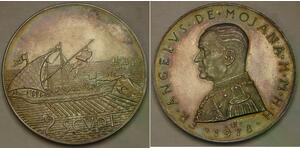
Even ancient temple builders left traces visible indirectly through architectural symbols appearing later on coinage designs representing continuity of civilization. The Grand Harbour featured prominently in some commemorative issues released during modern independence era, celebrating historic fortifications built to protect against Axis Powers siege mentioned briefly earlier before 1964 when nation achieved full sovereignty.
For Collectors
Malta offers a fascinating opportunity for numismatists who appreciate small nations with outsized historical impact. While modern Euro coins are circulated widely, ancient silver pieces from Knights Hospitaller period remain rare and sought after by specialists interested in European monetary history.
The transition periods—from Phoenician trade influence through Roman administration to British governance—create a numismatic timeline that spans over twenty-five hundred years of uninterrupted human occupation. Collectors are advised to focus on early silver issues from Baroque era for their artistic merit and historical depth, as well as the modern Euro series which bridge Malta back into contemporary European economic community.
In summary, Maltese coinage tells a story not just about money changing hands in markets but about how this archipelago remained connected to wider world events across centuries. From ancient Phoenician trade stops to Roman administration centers and Baroque silver mints operated under religious orders, each era adds another layer of depth that collectors can explore when examining these small yet significant pieces of metal preserved for future generations.