| View |
| preceded by | |
 Mali (1960 - )
|
| succeeded by |
| Mali (1960 - ) | Link to Wikipedia |
Mali: History, Coinage and Collectibles
Welcome to a journey through time that begins not merely with borders drawn on maps, but with empires that once stretched across the breadth of Africa. To understand Mali is to look at one of history's greatest sources of wealth before it was discovered by Europe in bulk. For collectors today, the story is less about ancient coins found scattered along riverbanks—though these exist—and more about a fascinating transition from dust and tribute to standardized state currency.
Historical Background
The narrative begins long before borders were defined or central banks established, rooting Mali in an era when its southern heart was the Sudanian savanna. This region served as the nexus of trans-Saharan trade routes connecting West Africa with North Africa and beyond. During these ancient times, goods such as salt from mines to the north moved southward for gold dust mined deep within Mali's rich soil.
The era peaked during the reigns of legends like Mansa Musa in the 14th century. His pilgrimage across Egypt was a monumental event that showcased such immense wealth and influence that it left a permanent mark on economic history; coins minted by local North African dynasties often carried references to Malian gold, even if Mali itself had not yet adopted full coinage systems.
Cultural depth is another pillar of the nation's foundation. The cities of Timbuktu and Djenné were centers of learning where Islamic scholarship flourished alongside commerce. While these ancient civilizations utilized cowrie shells and beads for exchange during their rise, they operated largely on a barter economy or trade in bullion until European powers intervened.
Currency and Coinage History
The story of money in this region is one of external imposition followed by local evolution. In the pre-colonial era, Mali did not issue its own coinage for internal circulation because it possessed no mints capable of producing them. Wealth existed, but manifesting as gold dust (doro) rather than struck metal.
The change arrived with colonial administration and French intervention in 1890s. The region was known then as "French Sudan," situated within a federation that shared currency systems across West Africa. Consequently, the earliest coins bearing the face of Mali are actually products of this era—often stamped by foreign mints but used to facilitate trade between the colonial power and local populations.
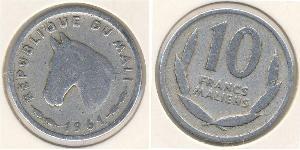
Following independence in 1960, the monetary landscape shifted rapidly. As with many African nations emerging from colonisation, new currency had to be established that respected both national sovereignty and international stability. The early republics saw a mix of metallic change (often aluminum or base metals) alongside paper notes bearing portraits significant to Malian heritage.
The modern era sees Mali utilizing gold-backed coinage for bullion purposes due to the nation's massive reserves, while its circulating currency has evolved into fiat systems that now dominate daily commerce. This transition from ancient dust and tribute to French West African coins to sovereign national banknotes is a critical timeline for understanding why specific dates are of value.
Mints and Coin Production
In the days before independence, coin production was outsourced to France or its colonies in Europe. The designs typically carried official imagery from Paris rather than Malian motifs, though later decades saw a push toward national representation.
The Central Bank of Mali eventually took control of minting operations. While Bamako remains the capital and administrative hub, the physical act of striking coins for public circulation is often managed by international or regional mints to ensure quality standards are met. However, high-end numismatic issues—such as gold bullion coins celebrating national independence anniversaries—are cast with precision.
A significant distinction for collectors lies in materials used during different eras. Early colonial and transitional pieces were frequently minted from aluminum or copper-nickel to prevent inflationary debasement of the currency reserves. Conversely, modern commemorative issues utilize high-purity gold (91.6% purity) reflecting the country's status as a mining powerhouse.
Notable Coins
The French West African Coinage:Before 1960, Mali utilized coins from the Federation of Malagasy and Senegal unions. While often common in circulation today due to heavy usage during trade with Europe in the post-war years, specific dates represent a fascinating "lost era" where these pieces bridged two worlds. They serve as historical proof that this territory was once French Sudan.
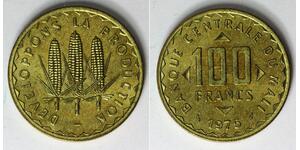
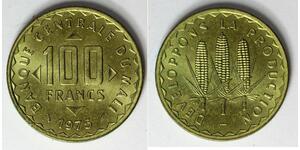
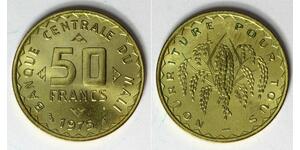
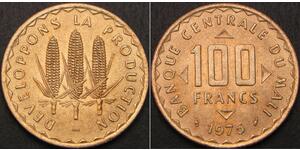
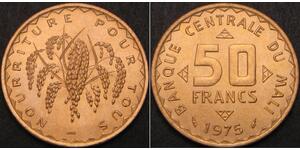
Independence Commemoratives:Following the adoption of its national identity in 1960, Mali began issuing coins featuring local symbols and leaders. The transition from paper to metal marked a period where collectors can find rare aluminum centimes or base-metal pieces that depict scenes relevant to Malian agrarian life.
The Sovereign Gold Issues:Perhaps the most sought-after items are modern gold bullion coins struck in 24-karat purity (916 fineness). These bear inscriptions of historical figures or national symbols, offering a tangible link to Mali's past mining empire while serving as an investment piece. Their value is derived not just from weight but from their depiction of the nation that once owned Mansa Musa.
Cultural Legacy
The visual representation on currency acts as a silent ambassador for Malian identity. Modern banknotes and commemorative coins often feature imagery drawn directly from history, honoring the empires that shaped West Africa centuries ago. Symbols of agriculture are prevalent due to farming being central to the population's livelihood.
For Collectors
Mali offers a unique opportunity for collectors who appreciate high-grade gold and silver issues with historical weight attached to them. The scarcity of genuine pre-colonial or very early republican pieces makes finding examples in pristine condition highly rewarding, as few survived the harsh environmental conditions where they were originally circulated.
The appeal extends beyond mere metal content; it is about owning a piece of an ancient civilization's modern echo. By seeking out coins issued during major geopolitical transitions—like independence or shifts toward democratic structures—you capture moments in time that define national character today. Whether acquiring rare aluminum cents from the transitionary colonial era or pristine gold issues commemorating heritage, each coin serves as a tangible testament to Mali's enduring legacy.