| View |
| preceded by | |
 Liechtenstein (1719 - )
|
| succeeded by |
| Liechtenstein (1719 - ) | Link to Wikipedia |
Liechtenstein: History, Coinage and Collectibles
Welcome visitors to a treasury of history that has evolved within the narrow confines of the Alps. As a museum curator presenting this principality’s numismatic heritage, I invite you not merely to look at silver discs or gold bars, but to observe how they tell the story of sovereignty in one of Europe's most challenging geopolitical environments. Liechtenstein is often mistaken for a small neighbor lost between Austria and Switzerland; however, its coinage history tells a unique tale of survival, adaptation, and artistic refinement under the patronage of an independent monarch.
Historical Background
The foundation stones of this nation’s existence are rooted in centuries before modern borders were drawn. In 1396, Vaduz gained imperial immediacy, meaning it became subject solely to the Holy Roman Emperor rather than feudal lords who dominated most European regions until that era. This status was crucial for its monetary future: because they reported directly to the throne of Charles V or Francis II, the territory could theoretically access high-level privileges.
The early days were defined by the Habsburg influence and eventual integration into a larger Germanic sphere during the Napoleonic Wars. By 1866, upon the dissolution of the Confederation, Liechtenstein secured full independence from its historical overlordship in Vienna or Bern. This political evolution was slow but deliberate. The shift away from feudal vassalage to direct sovereignty meant that eventually, they would require their own representation and monetary identity.
The cultural fabric is woven tightly around the German language and the Alpine landscape described as mountainous and verdant by modern travelers historically. For centuries, this region existed at a junction of commerce routes traversing Central Europe. The principality’s independence meant that while it traded freely with both neighbors, its currency was often dictated by those powerful unions rather than local mint output until very recent history.
Currency and Coinage History
The evolution of money in this microstate offers a study case on economic integration. For much of the 18th and 19th centuries, Liechtenstein did not issue its own circulating currency but participated fully in monetary systems established by larger neighbors, specifically utilizing Austrian Guilder standards until WWI.
The true numismatic turning point arrived during the mid-20th century. As a microstate dependent on Swiss trade routes and customs unions for survival, it found itself adopting Swiss financial structures while maintaining political independence. This created an interesting anomaly: they possessed monetary sovereignty without necessarily possessing circulating currency of their own.
This reliance shifted dramatically in the latter part of the 20th century as demand grew for commemorative pieces that celebrated national achievements rather than trade convenience. The first modern circulation coins were issued following a significant economic agreement, marking a break from centuries of using external coinage or accepting Swiss currency without local imprints. This allowed Liechtenstein to mint its own "legal tender" through partnerships with established mints.
This was not merely for utility; it became an extension of diplomatic policy and cultural pride. By the 1960s, as a country that had shed its reputation of being solely a tax haven (though earlier history noted), they began to use coinage to project image stability, wealth generation through gold bullion production, and high-end minting services provided by Swiss partners.
Mints and Coin Production
The physical process of creating money has historically been outsourced. For decades, coins produced for the Principality were manufactured in Switzerland due to space constraints and a lack of infrastructure within such a small territory. Today, they utilize modern minting technologies similar to those found in Zurich or Sempach.
This reliance on external facilities created distinct characteristics: high purity silver often exceeding standard international bullion levels (up to 925 fineness) was common because the local mints sought excellence over mass production. The artistry of the designs was paramount, focusing heavily on nature and history rather than industrial output.
The artistic shift mirrors the country's economic evolution from a service-based economy centered in Vaduz toward global finance and sports hosting. When it hosted events like Olympic competitions or youth festivals, these mints adapted production lines to feature specific motifs of snow-capped peaks and athletes on bronze and silver rounds.
Notable Coins
Few coin types possess the aura of significance found in Liechtenstein’s Olympic commemorative sets. Produced during their Winter Games hosting era, these coins were minted for Lake Placid and subsequent international events, showcasing designs featuring athletes on skis or ice surfaces against an Alpine backdrop.
- The 1968/72 Commemorative Silver Set: These marks a significant transition from reliance purely on Austrian/Swiss coins to the first truly independent sovereign silver issues. They feature simplified designs celebrating nature, specifically their capital Vaduz and the rugged mountains that define daily life there.
- The Olympic Series (1976-2004): These are perhaps most famous among collectors globally. Issued to promote awareness of the Winter Games, these pieces feature distinct motifs representing different sports like bobsleigh and ski jumping. The historical context was a nation building its identity through international exposure rather than war or industry.
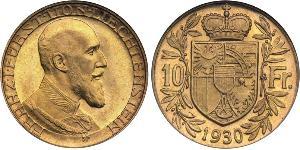
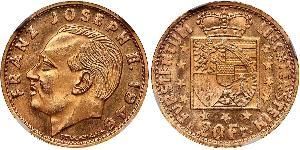
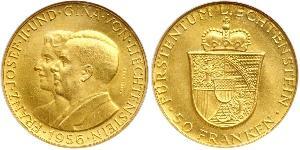
- The Bullion Series: Post-independence (20th century), they began minting high-value gold bullion coins featuring the portraits of their Princes, notably Hans-Adam II. These serve as historical documents to royalty that had regained power and prestige under constitutional reforms.
Cultural Legacy
The coinage serves as a mirror to national pride beyond simple wealth accumulation. When you look at the portraits of Princes, they are often dressed in modern attire or traditional regional dress rather than purely ceremonial robes found on other sovereign nations' coins.
The designs frequently highlight nature conservation and environmental stewardship—a reflection of how small microstates value their limited natural resources over heavy industry. The shift from "tax haven" imagery (which was common mid-century) to green, sustainable landscapes in the 1980s tells a story of national reform.
The currency itself reflects linguistic unity with its neighbors; it is German-speaking but uses Swiss Franc units and European economic standards yet retains full sovereignty over its mint. This duality is visible on every modern coin, where the face value might read "Swiss Franc" while the reverse reads exclusively in Liechtenstein.
For Collectors
The collection of this nation’s money represents a unique slice of European history. While some nations minted coins for trade and others to display military might, Liechtenstein uses coinage primarily as an art form that celebrates their cultural achievements and royal lineage.
To possess these items is not just to own silver; it is to hold tangible proof of how a tiny population maintained independence in the shadow of giants like Austria. For serious collectors seeking completeness, this microstate fills significant gaps where few other states issue such high-quality bullion or Olympic series issues.