| View |
| preceded by | |
| Libya (1951 - ) |
| succeeded by |
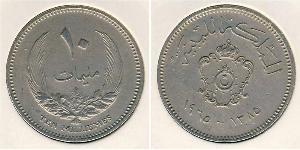
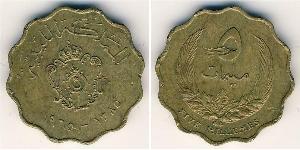
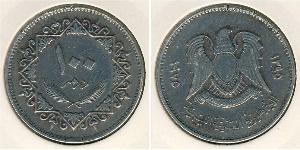
| Libya (1951 - ) | Link to Wikipedia |
Libya: History, Coinage and Collectibles
Historical Background
The story of Libya unfolds along the sun-baked shores of North Africa, a region where history was written in dust, stone, and metal. For millennia, this vast territory served as the gateway between Europe and Egypt, controlling trade routes that carried silk, spices, grain, and gold across the Mediterranean basin. The landscape itself tells a story beginning with Neolithic settlers around 8000 BC, followed by the arrival of Berber cultures who shaped the early demography before classical antiquity transformed them into major powers.
As Carthage rose to prominence in the west and Greek colonists established cities like Cyrene in the east, Libya became a melting pot of influence. These trading hubs were not merely economic centers but cultural cradles where mathematics, astronomy, and philosophy flourished alongside commerce. This intellectual environment left an indelible mark on how value was measured and exchanged locally.
The Roman Empire later integrated this region into its western provinces, connecting it via roads to the vast administrative heart of Rome. During these centuries, coins circulated as both payment for goods and propaganda tools issued by emperors like Septimius Severus. The Arab migrations beginning in the 7th century brought a new demographic identity but also maintained continuity with established trade networks.
Ottoman rule continued to utilize regional economic structures until Italian intervention shifted control drastically, introducing modern industrial standards of currency production and design before independence was achieved during the mid-20th century. These geopolitical transitions provide collectors with distinct visual narratives that trace how political sovereignty manifests in metal. Each era introduced new designs while maintaining a connection to local resources like silver from nearby deposits used for bullion backing.
Currency and Coinage History
The evolution of money in this region began long before paper currency was invented. Early inhabitants utilized bronze tokens that eventually gave way to more standardized coinage under Punic influence around the 5th century BC. As cities like Cyrene developed into major Hellenistic centers, local rulers issued coins depicting their own portraits alongside traditional symbols.
Following Roman annexation in 1903 and subsequent administrative changes during Italian occupation, new monetary standards were imposed to facilitate trade with Europe. The shift from bronze and silver alloys used by ancient city-states to modern fiat currency marked the transition into contemporary economic systems.
A crucial turning point occurred after independence was granted in 1952, when a unified kingdom began issuing its own coinage designs distinct from colonial predecessors but still aligned with international standards. The design elements shifted significantly between monarchies and republican eras, reflecting changes in leadership imagery.
Mints and Coin Production
The physical locations where these treasures were made often held strategic importance for security reasons during turbulent times. While early production likely happened within city centers like Tripoli or Benghazi using traditional techniques learned through Mediterranean trade contacts,
- Ancient Period: Coinage was produced locally by Phoenician and Greek cities without centralized Roman authority until later administrative reforms.
- Roman Era: Large-scale production utilized imperial workshops located in major provinces including nearby Carthage which influenced Libyan designs significantly.
- Ottoman Period: Regional authorities often minted copper pieces with standard Ottoman imagery to ensure trade compatibility across the Empire's borders.
The artistry found on these artifacts reflects broader cultural movements. Early issues featured simple geometric shapes and local tribal symbols, while later periods incorporated complex portraits of kings or national leaders surrounded by laurels representing victory over previous regimes.
Notable Coins
Coin collectors prize specific types for their rarity and historical context. The ancient silver tetradrachms from Cyrenaica are highly sought after due to the philosophical heritage associated with the city's founders who established one of early philosophy schools in antiquity.
- Roman Provincial Issues: These coins bridge Western Europe and East Africa, often featuring portraits of emperors that help historians trace military movements across desert regions during ancient times.
The transition to modern currency introduced a different aesthetic focused on national symbols. During the Italian occupation era in the early 20th century before full independence was granted later within decades following WWII, coins circulated briefly showing colonial flags and royal portraits that have become valuable markers of this historical epoch.
- Kingdom Period: Post-1951 designs celebrated national unity with motifs such as palm trees referencing local agriculture alongside depictions of the ruling monarch who unified territories previously under separate governance.
Collectors also study copper issues used for everyday commerce, though these often feature less detailed iconography intended to be durable against daily wear and tear during market transactions throughout decades prior to modern inflation erasing older denominations completely over time now affecting accessibility options currently available only in museum collections today.
Cultural Legacy
Beyond their monetary function, these objects serve as tangible links between generations of traders who built the civilization known today. Artistic motifs shift from religious symbols found on ancient bronze pieces to representations derived strictly within national boundaries during 19th-century modernization projects undertaken by global powers at that time.
- Symbols: Coins often carry inscriptions identifying cities or dynastic claims, offering insight into local language usage before widespread adoption of standardized scripts later introduced through educational systems developed throughout the last century globally across continents worldwide including North African regions specifically where this legacy originated originally.
The shift from traditional motifs to state-centered imagery mirrors Libya's journey toward modernization as a nation while still retaining echoes of its Phoenician origins found in early silver issues. These artifacts allow us to see how culture influences finance systems and vice versa through design choices made by master craftsmen working under various rulers across centuries spanning millennia.
For collectors
The significance extends beyond simple monetary value, as each piece offers a window into the ancient trade routes that connected Rome to the Red Sea coast. Collectors are drawn not only to rarity but also to condition and authenticity provenance records from verified sources documenting how items moved through history before reaching hands of private owners like those participating in auctions globally today.
The enduring appeal lies in connecting with stories of ancient city-states that shaped world philosophy or military might without needing specific catalog data. Understanding the historical narrative makes appreciation deeper whether one is examining a tetradrachm representing Greek thought or copper pieces reflecting Ottoman administrative reach across these North African lands historically significant for centuries now.