| View |
| preceded by | |
 Liberia (1847 - )
|
| succeeded by |
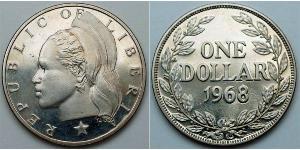
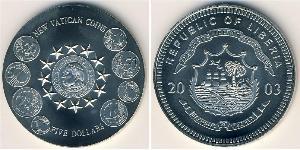
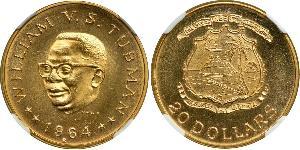
| Liberia (1847 - ) | Link to Wikipedia |
Liberia: History, Coinage and Collectibles
Historical Background
The narrative of Liberia begins on a shore known historically to mariners as the Pepper Coast or Grain Coast due to its abundant melegueta pepper. For centuries, this Atlantic coastline served as a vital nexus for commerce between European powers like Portugal and Britain and indigenous West African communities. The early trade relied heavily on barter systems exchanging goods for ivory and timber until broader economic pressures in Africa created conditions suitable for state formation. In the nineteenth century, shifting global demographics prompted an unprecedented social movement within North America. Members of the American Colonization Society sought to establish a homeland for free Black people away from systemic racial discrimination prevalent at the time.
This historical convergence led to the establishment of settlements between 1820 and 1843 along this coast, creating a unique population blend African heritage with Western institutional frameworks. In July 1847, after decades of preparation and struggle against disease and logistical hardship, the nation declared its independence on July 26. This declaration marked Liberia as the first republic to emerge in Africa following formal separation from European influence during that era, though recognition remained limited until a decade later.
Economic expansion defined the subsequent centuries. Under presidents like William Tubman, foreign investment heavily influenced national development projects. The rubber industry introduced by Firestone became a primary driver of wealth and infrastructure growth before World War II. These economic shifts required a robust monetary system capable of facilitating large-scale trade with international partners. While early commerce often relied on paper currency minted in neighboring regions or supplied from the United States, the necessity for domestic coinage grew as national pride expanded alongside industrial capabilities.
Currency and Coinage History
The evolution of money within this republic reflects its unique geopolitical position. Upon gaining independence, Liberia was not immediately positioned to mint coins domestically or establish a sovereign paper currency without significant external assistance. Initially, British pounds sterling, French francs, and later United States dollars circulated freely alongside local tokens issued by commercial entities such as the Firestone Rubber Company.
The transition toward national monetary control occurred gradually. Early independence issues focused on establishing identity through currency design rather than immediate coin production capabilities due to industrial limitations in West Africa during this period. As stability returned following international interventions and political restructuring, efforts were made to produce local denominations for small change usage within the market.
The history of Liberian coinage is distinguished by scarcity. Unlike many European nations or other African states that established prolific minting operations throughout their industrial ages, Liberia's production was sporadic and heavily influenced by its economic partners. This lack of continuous domestic output adds a layer of rarity to surviving specimens from the mid-twentieth century onwards.
Mints and Coin Production
To understand Liberian numismatics, one must look at where these coins were struck rather than assuming they originated within local industrial boundaries. Early pieces bearing national emblems or dates often entered circulation through arrangements with major international mints that served the region during periods of conflict-free operation.
The designs found on early issues display a fusion of classical Western aesthetic and African iconography. This stylistic blend speaks to the founders' mission: preserving cultural heritage while adopting modern political structures. Artistic elements often included representations of indigenous wildlife, agricultural themes such as rubber trees or iron ore symbols, and national crests that blended American colonial motifs with West African heraldry.
Minting traditions were heavily influenced by technological transfers from partner nations in the region during post-war stability periods. While large-scale industrial production did not persist due to economic volatility following global conflicts, smaller batches of coins designed for collectors or ceremonial distribution allowed for artistic expression that survives today within auction houses and private collections.
Notable Coins
The 1947 Independence Dollar stands as a prime example of significant numismatic interest. Issued to celebrate the centenary of national sovereignty, this denomination typically featured silver composition rather than base metals, making it particularly desirable for collectors seeking proof or uncirculated examples.
- Early Commemorative Pieces: Initial releases often bore high-relief designs and detailed inscriptions referencing freedom and unity. These pieces carry significant historical value representing the transition from colony to self-governing republic.
The 1950s saw a shift toward more utilitarian denominations intended for general circulation, though many of these were later withdrawn due to inflation or economic constraints, leaving few examples in pristine condition. These scarcity-driven pieces are sought after by enthusiasts studying the specific era's industrial limitations.
- Agricultural and Industrial Series: Later issues featured imagery reflecting Liberia's key exports like rubber and iron ore. The reverse sides often depicted tools or machinery, signaling economic progress while maintaining national symbols on obverse faces.
Rarity dictates the collector narrative here more than catalog data suggests. Pieces minted during transition periods carry a historical weight that modern mints cannot replicate in today's mass-produced environments. The presence of specific artistic signatures or variations from major foundries can indicate production centers, aiding provenance research.
Cultural Legacy
The coinage left behind serves as a tangible record of how the nation asserted its identity during formative years when international recognition varied widely by era. Every symbol engraved upon these metals represents a cultural negotiation between local indigenous traditions and American educational foundations established during colonization.
- Sovereignty: The shift to issuing national denominations marked an assertion of political maturity despite economic challenges, signaling independence from reliance on foreign currency standards alone.
The lion is a prominent feature in modern iterations and early emblems. While the nation's flag features this animal prominently, its appearance earlier was restricted by heraldic conventions available only through international trade partnerships during peaceful intervals.
- Economic Independence: Coin designs from specific decades reflect confidence in local industries like iron mining that began resuming output following conflicts. These themes encourage national pride and showcase resilience to future generations of investors.
Coinage also preserved the namesakes of presidents who guided stabilization efforts, embedding political history directly into everyday transactions until economic factors limited print runs further over time.
For Collectors
Liberian numismatics offer a unique window into the historical trajectory of West Africa. For those pursuing rare finds from regions often overlooked in standard Western collections, these artifacts provide context regarding how early republics navigated sovereignty without consistent industrial infrastructure to support domestic currency production.
- Rarity: Scarcity is a primary driver of value for Liberian coins and tokens. Surviving high-grade examples are few due to historical economic fluctuations that limited general circulation availability.
The appeal lies in the provenance rather than simple aesthetic preference. Each coin tells a story of migration, independence, industrial boom times involving rubber and iron resources before returning focus to peacebuilding following late-century instability. Collectors who acquire pieces from this specific nation are effectively preserving fragments of a unique cultural heritage that bridges continents through numismatic means.
In the current market, understanding the limited production volumes helps buyers appreciate why certain denominations command attention at auction houses specializing in African history. Investing time to research these items ensures acquiring not just currency artifacts but significant historical documents preserved on metal surfaces for future study and appreciation by historians alike who may trace regional trade patterns through surviving examples.