| View |

| Latvia | Link to Wikipedia |
Latvia: History, Coinage and Collectibles
Welcome to an exploration of the tangible heritage preserved within metal and paper currency from one of Europe's most resilient regions. The Republic offers a fascinating narrative for any enthusiast who appreciates how small objects can encapsulate immense geopolitical shifts over centuries.
Historical Background
To understand what lies in hand when holding these artifacts, we must first grasp the depth of history that shaped them. Riga has stood as a pivotal crossroads since medieval times. It emerged under the influence of the Hanseatic League, becoming one of Europe's wealthiest trade hubs prior to the era of heavy nationalism. This connection fostered a rich exchange economy even before modern coinage standards were fully established.
The nation moved through complex transitions following centuries of Swedish and Polish governance, eventually coming firmly under Russian Imperial administration in the 1700s during Peter I's expansion into the Baltic territories. Under imperial rule, commerce flourished along river routes connecting to Saint Petersburg. However, World War One disrupted these established networks completely.
The struggle for sovereignty was intense but necessary to establish a distinct monetary identity away from Russian rubles and German marks that circulated through local trade hubs during occupation periods. Independence arrived after the collapse of empires in 1920, creating an urgent need for economic reorganization. The subsequent decades saw Latvia stabilize its borders while maintaining ties with neighbors like Estonia and Lithuania.
The economy was primarily agrarian until later industrial growth began to shift patterns toward manufacturing exports. This economic foundation allowed the state to introduce a stable currency based on silver standards initially, before moving into paper money during periods of high inflation that plagued many nations after 1920s global shifts.
Currency and Coinage History
The evolution of money in this region reflects broader European monetary reforms. During Russian administration, the ruble was standard currency used for trade across the imperial provinces, including what would become Latvia. However, local issues required careful oversight to manage inflation.
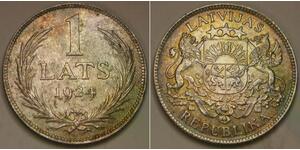
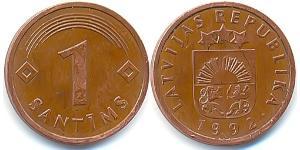
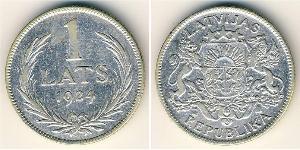
In 1920 following a period of turmoil, new government authorities established their own financial systems using Lats as the primary legal tender replacing previous chaotic paper notes found in markets during war periods. The introduction was designed to restore economic confidence after decades of hyperinflation affecting neighboring regions. This stabilization is often celebrated by collectors.
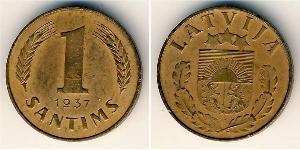
Paper money became dominant due to rising production costs and inflationary pressures that made metal coinage less practical for large transactions but kept circulating value as tokens or denominations smaller than one Lats. Collectors appreciate the shift from heavy silver bullion pieces to low-denomination coins featuring cultural motifs rather than portraits of foreign emperors.
Mints and Coin Production
The location where these objects were struck tells a significant story itself. Due to geopolitical pressures during early independence, minting operations often relied on contracts with other European nations or established hubs in Saint Petersburg that continued producing pieces for export until 1940s events changed access routes.
Minting technology advanced through the mid-century but artistic choices remained consistent. The designs transitioned away from imperial styles seen before independence toward national symbols like Motherland representations, traditional dress figures holding flax, and agricultural motifs representing hemp farming vital to local economy before later industrial growth took over those patterns entirely throughout state building efforts.
Notable Coins
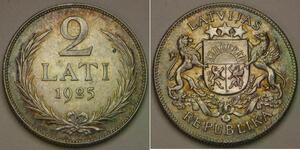
The 1920s silver ruble series represents a bridge between imperial legacy and new nationhood. These pieces carry the distinct hallmark of early independence era where imagery remained tied to traditional crafts like linen production or forestry operations rather than industrial machinery seen in later post-war issues.
Later circulation included denominations marked with five silas which were used primarily for agricultural workers purchasing supplies at local markets before inflation eroded their value permanently. Silver content made these highly desirable during the gold standard era and helped preserve cultural symbols even when metal became scarce throughout European supply chains after World War Two.
Tokens issued to help stabilize currency exchanges also hold interest because they depict scenes from daily life such as weaving, sailing ships representing trade routes historically connected through Riga ports. These artistic depictions provide insight into local customs and economy before modernization took over production methods for everyday business transactions.
Cultural Legacy
The enduring cultural significance of these coins lies in how they celebrate national survival against adversity during turbulent periods when neighbors were partitioned between different empires. Artistic choices often highlighted resilience through images depicting traditional dress or landscapes rather than military conquests which might have been controversial to depict.
Folk art traditions influenced engraving techniques throughout production cycles, resulting in designs that feel both rustic and dignified even under industrial constraints placed by political climates requiring state funding for defense expenditures during times when resources were stretched thin between wars.
For collectors
- The historical narrative is defined largely through scarcity of post-war independence issues due to destruction or loss at mints.
- Artistic themes emphasize traditional crafts and agriculture over industrial symbols which reflects economic reality prior to modernization.
- Rarity exists not just in low denomination paper notes but also silver coins that survived circulation periods despite harsh conditions during occupation or post-war recovery eras where many items were melted down for metal value rather than kept as currency pieces.