| View |
 Laos (1953 - )
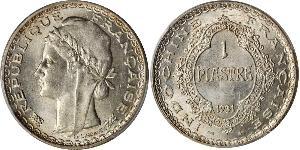
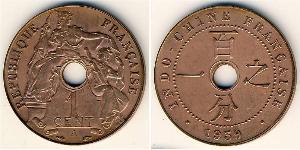
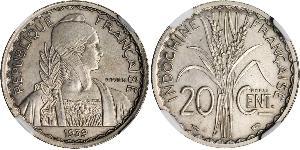
| Laos (1953 - ) | Link to Wikipedia |
Laos: History and Numismatics for Collectors
Historical Background
Welcome to the museum gallery dedicated to the Lao People's Democratic Republic. As you step through, take a moment to breathe in the history of Lan Xang—a realm often referred to as "a million elephants." This kingdom was not merely a political entity but an economic linchpin connecting China and India via the Mekong Valley long before the cartography we use today existed.
The narrative begins with Fa Ngum, who founded Lan Xang in the 13th century. He consolidated principalities along the mighty river and established Buddhism as the state religion. For collectors of trade history rather than standard coinage, this era is fascinating because it represents a period where currency was fluid and often foreign to local markets.
The Kingdom's economic lifeblood relied heavily on overland caravan routes. Goods flowed through Luang Prabang and Vientiane from the northern highlands down into Vietnam and Thailand. Because Laos remained landlocked, its economy depended entirely on diplomatic relations with neighbors who minted currency—specifically Siam (modern-day Thailand) to the west and French Indochina to the east.
The history is further complicated by colonial shifts. By 1893, under pressure from foreign powers seeking a foothold in Southeast Asia trade routes, these kingdoms were unified into protectorates of France. Laos became part of Greater Vietnam/Indochina. During this turbulent period between World War II and the establishment of independence in 1953, currency fluctuated based on French mandates.
The end of war left a legacy that shaped modern collecting standards: an appreciation for gold purity amidst political uncertainty. Following the Pathet Lao's rise to power in 1975, the nation sought economic stability through state-sponsored precious metal production and foreign trade initiatives like Laos-China Railway connectivity projects which have further integrated its monetary systems with global markets.
Currency and Coinage History
To understand what circulates as collectible "Lao" currency today, we must look closely at the evolution of money in Indochina. For much of the Lan Xang era (13th–19th century), there was no standardized coinage issued locally by a state treasury. Merchants relied on silver rupees from Bangkok and India, or utilized trade goods like opium poppies and salt as mediums of exchange.
The numismatic landscape shifted dramatically with French colonization. The colonial administration did not initially issue its own minted coins for circulation in the territory; they extended the currency usage already established within Indochina—piastres (later replaced by francs). These were imported pieces stamped occasionally to denote local usage.
The first distinct coinage associated specifically with Lao statehood dates back only to 1953, following independence from France. The Royal Government of Laos minted copper-nickel issues that served strictly as domestic tender and for trade within the region. These coins often bore images of King Sisavang Vong or religious motifs significant in Theravada Buddhism.
The civil war period (1953-70s) saw a cessation in official minting, though private bullion dealers circulated gold to stabilize local economies against inflation caused by currency devaluations. Following the communist takeover in 1975 and during the PDR era, Laos issued its own modern silver coins for trade with neighboring countries like Vietnam and Thailand—often as legal tender substitutes—and later precious metal commemorative issues.
Mints and Coin Production
In traditional numismatics of Southeast Asia, it is rare to find large-scale indigenous minting facilities located within the country boundaries. For Laos specifically, production has largely relied on state-run refineries that process gold from local mining operations or produce bullion ingots.
The mints used for modern issues are generally centralized in Vientiane and operated by national banks rather than independent private foundries seen in Europe during earlier centuries. The artistic approach was distinct: whereas Western coins focus on the ruler's portrait, Lao coinage emphasized symbolic representation—such as elephants representing Lan Xang strength—and religious architecture like temples or that which adorned Buddha statues.
Notable Coins
The Pre-War Silver Rupee (Siamese Influence)
- Historical Context: Before French annexation, trade required currency acceptable to local merchants. The Siam 1907-1934 one-tikka silver rupees were widely accepted throughout Laos.
- Design Features: Typically featuring a standing figure or elephant on the obverse and a four-petaled lotus flower design on the reverse, these coins are prized for their condition rather than original minting in Lao territory.
The Royal Government of Laos (1953–1970s)
- Historical Context: Issued during the Kingdom of Laos era, these coins were designed to assert national identity independent from French colonial issues.
- Design Features: Common denominations often depicted King Sisavang Vong alongside symbols like elephants or rice sheaves. These circulated domestically but are rare in high grades due to wartime usage and melting down for bullion value later on during civil unrest.
The Modern PDR Gold and Silver Bullion (1980s–Present)
- Historical Context: Following reunification with Vietnam in 1975, the state resumed issuing bullion for international trade. These were later issued as "Laos Republic" or PDR commemorative pieces.
- Design Features: Modern designs feature images of Phou Bia mountain (2,818 meters) and UNESCO heritage sites like Luang Prabang Temple complexes in high relief detail.
Cultural Legacy
The design on Lao coinage tells a story deeply rooted in the country's spiritual identity. You will find frequent motifs of elephants, which were used by Fa Ngum to conquer principalities and symbolize royal power—the "Kingdom of Lan Xang" literally meaning millions of elephants.
Buddhism is also ubiquitous on these coins; lotus flowers are rarely seen as mere decoration but represent the state religion established in ancient times. The depiction of that luang stupa—a central icon for Lao people—serves to anchor foreign currency into a distinct local heritage narrative. For collectors, holding one coin connects them not just to a government policy document but to an enduring Buddhist and cultural legacy.
For Collectors
If you are building your collection today, understand that the rarity in Laos is often defined by political necessity rather than historical antiquity. High-end collectors look for rare modern gold coins struck from PDR state refineries or early Royal Government issues found in pristine grades.
Avoid being seduced solely by market hype without context; while older silver rupees circulated widely, they are more valuable as a testament to trade history than ancient Lao minting. Focus on the transition era (1950s) and modern bullion releases that showcase artistic craftsmanship in high relief.
In conclusion, Laos represents one of Southeast Asia's last landlocked mints relying heavily on international precious metals for its own circulation. This reliance creates a distinct flavor to collectibles here—often more artful than industrial utility—and offers unique insights into the complex colonial history that defined this nation.