| View |
| preceded by | |
 Kiribati (1979 - )
|
| succeeded by |
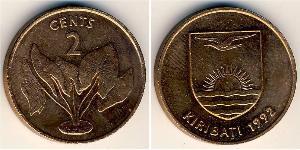
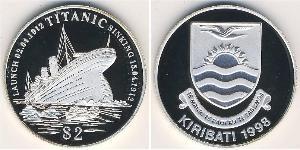
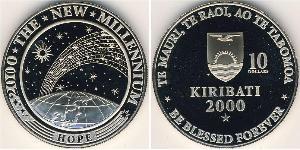
| Kiribati (1979 - ) | Link to Wikipedia |
Kiribati: History, Coinage and Collectibles
Historical Background
The story of Kiribati is a narrative woven from vast oceans, ancient seafaring traditions, and the shifting tides of global imperial power. In antiquity, these scattered atolls were not merely isolated outposts but active participants in an intricate network of trade connecting Micronesia, Polynesia, and Melanesia long before recorded history took hold on modern maps.
The islands rose from the sea to become a vital nexus for regional commerce. The early inhabitants relied heavily on subsistence agriculture and fisheries, yet their position along major maritime routes meant they served as refueling stations for vessels traversing the Pacific. This geographical advantage fostered cultural exchange; voyagers from Samoa, Tonga, and Fiji brought new technologies and traditions that intertwined with local lore.
The arrival of Europeans in the late 18th century began a period where these small island communities found themselves at the center of global colonial administration. By the early 20th century, the region fell under various flags, moving through periods governed by French, German, and later British interests. This era saw significant economic shifts as local populations engaged in phosphate mining on Banaba Island and copra production for export.
The administrative history is complex but defines its modern political identity. Initially grouped with Ellice Islands (now Tuvalu) under a joint administration, the northern atolls eventually asserted their distinct identity upon gaining independence from British rule in 1979. This transition marked not only political sovereignty but also the birth of a new economic era where local governance could shape trade relations and currency policy directly.
Currency and Coinage History
The monetary history of this archipelago is deeply tied to the colonial administrations that ruled it. For much of its early recorded history, coinage circulated here did not bear indigenous names but rather reflected British imperial standards or those of regional neighbors like Australia and New Zealand.
During the federation years and prior independence, the economy functioned within a broader Pacific monetary union framework where the Australian dollar was often used as legal tender. This created an interesting numismatic landscape for collectors: local residents utilized foreign currency due to the logistical challenges of minting small denominations locally in remote settings.
The shift from reliance on circulating paper dollars and British silver coinage to a distinct national currency coincided with full independence in 1979. While the initial focus was often on establishing monetary stability for banking operations, eventually, sovereign coinages were issued or authorized by international mints (such as Australia's branch) featuring designs specific to Kiribati’s unique heritage.
Mints and Coin Production
The physical production of currency here has always been a testament to the logistical realities of island nations. With an economy driven largely by fishing licenses, tourism, and international aid, there was little domestic infrastructure to support large-scale manufacturing or complex minting operations within the islands themselves.
Consequently, coinage history relies on production centers across Australia, New Zealand, and occasionally London. The coins produced for this region reflect a unique blend of industrial precision from these distant mints paired with artistic commissions created in studio workshops that sought to capture the essence of ocean life and traditional culture despite the distance between artist and mint.
Notable Coins
- The Independence Issues (1970s-80s): The first official coins were issued shortly after independence. These pieces often featured a portrait of President Ieremia Tabai alongside scenes depicting traditional canoeing and daily life on the atolls. For collectors, these early issues represent the birth moment of national sovereignty.
- The Star Coin Series: A common motif in Pacific numismatics is the use of celestial bodies to mark time or value. In Kiribati’s case, designs often highlight local star maps and navigation history relevant to ancient seafaring traditions that guided these islands for millennia before modern charts.
- The Fisheries Themed Issues: Given that fishing constitutes a pillar of the economy and culture, later coins frequently depict tuna or other marine resources. These issues were minted in various denominations intended primarily for collectors but served as souvenirs for tourists visiting these isolated islands.
Cultural Legacy
The coinage produced here serves as a tangible archive of national identity. In the absence of extensive natural mineral resources, metal currency became one of the few ways to project an international image on the global stage. The designs invariably focus on themes that celebrate resilience: watercraft representing their mastery over the ocean and flora like hibiscus or coconut blossoms reflecting tropical heritage.
Cultural motifs also appear in artistic choices regarding layout—such as how legends are arranged around the rim—which often mimics circular island patterns seen from above. This creates a visual narrative where even modern metal objects echo ancient understandings of geography and timekeeping that were preserved through centuries at sea.
For collectors
Kiribati remains an enduring area of interest for numismatists not necessarily because it produces the most complex coins, but rather due to its unique historical narrative within the Pacific context. The country represents a fascinating bridge between colonial currency standards and modern national identity.
The focus on maritime themes offers collectors a window into how ancient traditions influence contemporary design choices in small island states where every symbol has practical meaning for survival at sea. For those who appreciate history intertwined with collecting, these issues offer a chance to hold physical artifacts that speak of ocean trade routes and the global reach of Pacific culture itself.