| View |
| preceded by | ||||
|
||||

|
|||||||
 Kingdom of Romania (1881-1947)
|
|||||||

| succeeded by | ||||
|

| Kingdom of Romania (1881-1947) | Link to Wikipedia |
KINGDOM OF ROMANIA: History, Coinage and Collectibles
Historical Background
Welcome to a journey through time where metal meets memory. The Kingdom of Romania was not simply born; it emerged from the slow evolution of principalities that had long been subjects of external powers before finding their unified voice. In 1859, Prince Charles Alexandru Ioan and Prince Alexander I united Wallachia and Moldavia under a single rule to become modern-day Romania's first ruler. This union was initially more political than cultural, yet the desire for economic sovereignty pushed them toward trade agreements with Western Europe.
The full independence of this new nation came as they formally recognized by international powers following their war against Russia in 1877 and peace terms that elevated Principalities to a Kingdom. For collectors today, these moments are crucial because every change in statehood brought a need for standardized coinage representing the sovereignty of the government rather than local feudal lords or Ottoman oversight.
The drive toward unification with Transylvania during 1918 was not merely an act of nationalism but also significant economic expansion. It meant that money had to travel longer distances through ports on both Black Sea and Danube, necessitating robust monetary systems supported by the state. This period established Romania as a participant in global trade networks rather than regional barter zones.
Currency and Coinage History
The evolution of currency during this era mirrors Europe's transition into industrialized standards following the 19th century unification trends seen across the continent. Initially, commerce relied heavily on foreign coins minted in France or other European nations because local economies lacked sufficient coin types for daily transactions.
This led to a pivotal change when Romania adopted its own gold and silver standard beginning with major reform measures introduced around 1864 to formalize monetary systems based on leu denominations. These reforms were designed to stabilize the exchange rate between regions that had once been divided by language or political borders.
During World War I, which strained resources in Europe significantly, paper money and foreign notes became more common than metal currency due to war-related disruptions at mints. However, after peace returned during the late 1920s, there was a resurgence of coin production that emphasized quality and artistic merit.
Mints and Coin Production
The main hub for manufacturing coins within this nation was located in Bucharest where skilled craftsman utilized traditional techniques enhanced by industrial presses developed across the continent during the late 19th century. Artistic characteristics of minted issues changed as tastes shifted from neoclassical designs to more modernist aesthetics.
The state operated a network of production centers, though primary efforts were concentrated in capital cities that also served administrative functions. Die-cutting processes improved over decades resulting in finer relief details and sharper portraits that conveyed the prestige of national government institutions.
Tech advancements allowed for higher volume output during periods requiring massive amounts of small change for urban commerce while gold standards remained reserved for large denomination commemorative pieces. These production methods ensured coins were durable enough to circulate daily yet beautiful enough to display on a collector's shelf.
Notable Coins
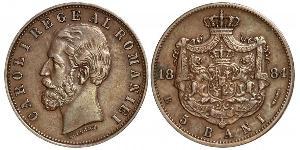
The 5 lei gold coin issued from the reign of King Carol I is perhaps most famous among enthusiasts due to its elegant depiction and historical weight. Struck during an era when Romania was rising economically, this piece serves as a tangible reminder of national ambition at that time.
- Historical Context:Minted between late 19th century early decades following unification efforts led by Carol I who sought to place the Kingdom on par with established European monarchies. These gold coins were not meant for circulation but served as treasury reserves and symbols of wealth.
- Design Features: The head of King Carol is depicted in profile often crowned, representing continuity within monarchical lineage while using a national crest featuring an eagle or wreath motif that symbolized strength derived from the land. High relief portraits were typical during this period to emphasize majesty rather than just portraiture.
- Importance:The survival of high-grade examples is rare, especially given wartime destruction and heavy circulation use prior to hoarding efforts by governments in later decades that reduced availability significantly for collectors seeking pristine specimens today.
Silver issues are also highly valued among serious hobbyists who seek smaller denominations like 20 bani or half leu coins used during the Belle Epoque period. These pieces circulated widely within cities before being replaced by paper notes in later years due to inflationary pressures caused by economic instability and global conflicts.
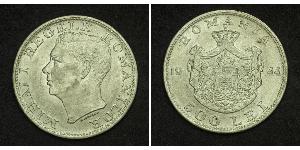
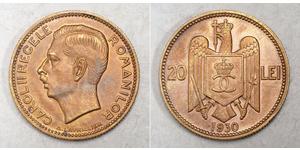
Ferdinand's successor reign introduced slightly different designs that reflected artistic trends of 1920s interwar Europe, featuring sharper portraits on obverse sides. This shows collectors how coin production can be an indicator of the shifting cultural tastes from neoclassical rigidity toward modern realism seen in art exhibitions across Berlin or Vienna.
Cultural Legacy
The legacy of Romanian metal currency reflects a nation striving for recognition within international community after years under foreign suzerainty. Symbols used on these coins such as the eagle and stars were not merely decorative; they served political purposes to unify disparate regions like Banat, Crihana or Moldavia under one banner.
Coinage played an important role in education during early national school reforms where teachers taught history by examining objects held from previous eras. This helped establish a sense of pride among younger generations regarding their heritage even when political borders shifted frequently around that era throughout the 20th century.
The imagery captured on these pieces demonstrates how artistry was intertwined with finance, ensuring government issued items carried prestige rather than appearing as mere paper scrips or worn copper. The aesthetic quality set high standards for craftsmanship which influenced local sculptors and die cutters to aim for excellence in all state projects including public monuments.
For collectors
The historical significance of Romanian numismatics remains strong among enthusiasts seeking unique artifacts representing distinct national identities formed during turbulent times. While availability varies greatly between gold sovereigns available at auction and common silver pieces that may be found in bulk or circulated condition, the stories behind each piece offer insight into broader narratives regarding unification efforts.
Focusing on items associated with early Kings allows buyers to support preservation of history tied directly to moments when Romania stood as an independent power against regional influences. High grades available today provide opportunities for investors and museums alike to own pieces that connect viewers physically to the past through metal surfaces still bearing traces of original mint marks or design details.
Ultimately these items matter not only because they were once part of commerce but also because they remain symbols of national resilience across multiple decades. Each coin tells a story about artistry, economics and governance from a small principality that rose into the ranks of European powers before facing challenges during global wars.