| View |
| preceded by | |
 Kenya (1963 - )
|
| succeeded by |
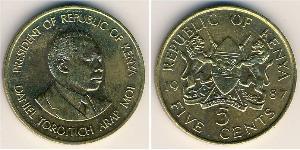
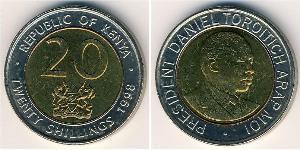
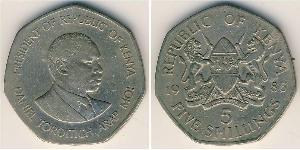
| Kenya (1963 - ) | Link to Wikipedia |
Kenya: History and Numismatic Legacy
Historical Background
Welcome to this exploration of Kenya's history through a numismatic lens. This region, officially known as the Republic of Kenya, occupies a pivotal spot in East Africa with an ancient landscape that includes highland forests and fertile agricultural regions crucial for early human settlement.
The land itself tells the story before money was minted. Archaeological dating suggests modern behaviors emerged around 320,000 years ago within these borders. The earliest inhabitants were ancestral hunter-gatherers, who evolved into agropastoralist communities and later Nilotic pastoralists. By the first millennium AD, Bantu-speaking farmers had moved from West Africa to settle along the coast and interior.
Trade was always central to Kenya's economy. While early exchange relied on local goods like tea, coffee, and flowers—traditional cash crops that remain vital today—the shift towards colonial rule in 1895 brought a structured monetary system necessary for commerce between Mombasa port and the landlocked interior hub of Nairobi.
When Europeans began colonizing Kenya during the late 19th century under the British Empire, trade networks expanded rapidly. Goods such as obsidian were traded among early hominids; later these flows transitioned to cash economies governed by Imperial currency. This period laid the groundwork for modern coinage in East Africa.
Independence came officially in 1963 following a significant revolution and negotiations with the UK, leading Kenya into Commonwealth membership that continues today. As the nation emerged from a protectorate and colony status toward sovereign democratic republics, its monetary identity began to evolve distinctively from British standards while maintaining ties to international trade blocs like COMESA.
Currency and Coinage History
The transition of money in this region is characterized by its shift from colonial dependency to national independence. For much of the early period under European administration, Kenya did not possess an independent minting facility. Consequently, coin circulation largely consisted of currency produced elsewhere—specifically within India or United Kingdom facilities—for use throughout East Africa.
Early economic stability in Nairobi and Mombasa depended on maintaining a reserve against these foreign imports until local production could be established after independence. The economy was anchored heavily by agriculture and the service industry, particularly tourism; this reliance required robust monetary systems to facilitate international exchange flows for exports such as fresh flowers and livestock.
Following independence in 1963, Kenya introduced its own legal tender to assert national sovereignty over trade within Africa. These initial post-independence coins marked a critical moment: they were no longer mere currency of an imperial administration but representations of a sovereign state. Over the decades, as Nairobi solidified its role as a regional commercial hub, production techniques improved and domestic coinage began featuring unique designs.
Mints and Coin Production
In understanding where these artifacts originate is to understand their scarcity and value for collectors. During the colonial era, the absence of local minting capacity meant that "Kenyan" currency was physically manufactured in foreign mints under license or contract. This history often dictates condition reports; early Kenyan issues are frequently found circulated from Indian markets because they were shipped as inventory across the ocean.
As domestic industries and tourism flourished—driven by Kenya's unique geography that attracts wildlife tourists from around the world—the need for localized coinage grew. Eventually, minting traditions adapted to feature local artistic characteristics reflecting East African culture rather than solely royal coats of arms or colonial crests found in earlier issues.
The shift in technology mirrored economic shifts: as trade blocs like COMESA and international organizations became more integrated into national life, the design needs changed from purely functional government stamps to commemorative releases celebrating local heritage. These mints served not just commercial purposes but also cultural representation, ensuring that each new series of currency told a story about Mount Kenya or regional history.
Notable Coins
Focusing on historically significant types is the key for any serious collection here. One class collectors often appreciate involves early colonial issues where British East Africa shillings circulated locally. These were not unique to Kenya but are of high interest because they represent a time when Mombasa was the capital and Nairobi was developing into a financial center.
Another significant group relates to post-independence commemorative releases or circulation coins featuring Mount Kenya itself. Named after the mountain following etymological records from 19th-century explorers, Mount Kenya (or Mt Kenia) has long served as a symbol of national identity on various banknotes and later coinage.
Design features in these notable types often depict wildlife or landscapes found within East African countries. Images that reference the "Kĩ-Nyaa" name origin—feathers referencing bright mountain peaks—are sometimes stylized into modern designs for collectors seeking historical context. Early independent issues featuring Maasai warriors alongside agricultural imagery represent a deliberate choice to celebrate local culture over colonial symbols.
Cultural Legacy
The coinage of Kenya is more than currency; it is an archival record of cultural identity and economic maturity. In the early stages, designs were dictated by international trade protocols requiring standardization for coffee exporters or tea traders seeking payment from European buyers through organizations like COMESA.
As national pride grew following independence in 1963, coinage evolved to reflect the diverse cultures that inhabit slopes of Mount Kenya alongside arid deserts. The symbols on these coins represent a journey from imperial subjects to independent members of the Commonwealth and global trade networks.
For Collectors
The legacy remains important for collectors today because it bridges ancient history with modern economics. Early issues carry significant weight due to their scarcity; having been minted or circulated under colonial administration, they serve as tangible links to Nairobi's rise from a trading outpost into an international financial hub.
Collectors can look forward to pieces that tell the story of Kenya through its wildlife and geographical features found in every region. The coinage history mirrors broader themes explored here: exploration, settlement by Nilotic speakers and Bantu farmers, independence movements like Mau Mau revolution (1952), and eventual membership within international organizations such as UNESCO or UN bodies.
Ultimately, collecting Kenya's numismatic artifacts is about preserving the narrative of a nation that bridges ancient evolutionary sites at Lake Turkana with modern regional commerce. Whether you are studying trade routes or seeking historical proof points regarding independence dates found on denominations, this collection offers access to centuries of East African heritage preserved in metal.