| View |
| preceded by | |
 Jersey (1066 - )
|
| succeeded by |
| Jersey (1066 - ) | Link to Wikipedia |
Jersey: History, Coinage and Collectibles
Historical Background
Welcome to the Bailiwick of Jersey, an autonomous Crown Dependency nestled off the coast of France within the North Atlantic waters. To understand its numismatic legacy is to look at a land shaped by tides between cultures: England, Normandy, and beyond. The island has always existed in a unique space—never part of mainland Normandy despite Norman ties after 1066, yet never incorporated into the Kingdom of either France or Great Britain itself.
The history here is one of resilience and autonomy dating back to prehistoric times. While Roman influence left faint traces at archaeological sites like Les Landes, it was during the medieval period that Jersey truly forged its independent legal identity through succession of royal charters rather than a single act of conquest. This self-governance has allowed for distinctive cultural evolution.
The island’s history is marked by significant external pressures. In 1789 and again after, various powers sought to exert control during the Napoleonic Wars and World War II. The period between these two conflicts saw a population shift as wealthy Britons moved in from London following the Corn Riots of 1769, altering the social fabric significantly.
Culturally, Jersey is a fascinating blend: it uses English but maintains strong Norman-French roots with its historic Jèrriais language. This duality often appears on banknotes and medals issued in recent decades, where one side speaks to British heritage while preserving local traditions. The island's economy historically relied heavily on agriculture—specifically Guernsey cattle—and later shifted powerfully toward offshore finance services.
The narrative of Jersey is not simply about survival under occupation or royal charters; it is a story of independence that developed gradually through tradition rather than declaration, influencing how the Bailiff and States assemblage function in modern democracy. This history deeply informs its approach to monetary autonomy within certain constraints imposed by London.
Currency and Coinage History
The financial system of Jersey is an anomaly within a unified British Isles framework—where it shares currency with but does not issue sovereign debt like other jurisdictions might today. Historically, the island used its own banknotes before integrating fully into the sterling zone in modern times.
A critical feature for collectors to understand: while Britain uses Pound Sterling, Jersey once issued and continues locally (in specific denominations) currency that circulates freely across the Bailiwick but bears distinct local branding. This was not always so; under earlier systems or historical periods like wartime occupation by Germany during WWII, a temporary German mark replaced British coins for several months—a rare numismatic curiosity often sought after today.
The shift in governance over centuries—moving from Norman customs and laws to the modern parliamentary democracy under constitutional monarchy—also influenced currency usage. Early monetary systems reflected local economic needs: agriculture and early tourism required practical, small-denomination coinage that matched international trade with France via Cotentin Peninsula.
In the late 19th and early 20th centuries, as steamers linked Jersey to London more strongly, its coins began mirroring British designs while retaining local minting authority. However, unlike many colonies or dominions that developed full monetary autonomy (like India with rupees), Jersey stayed within sterling denominations but retained rights over certain issue controls during special circumstances.
Mints and Coin Production
Digging into the technical history reveals something striking: for much of its recorded numismatic past, there has been no "Jersey mint" in the same way London or Edinburgh have operated historically. This absence itself is a collector's fascination point—most coin production comes from other sovereign mints commissioned by Jersey government.
This contrasts with neighboring Guernsey and Alderney (the Channel Islands) which often had more robust independent issues. In recent decades, the Royal Mint in London has produced most modern coins bearing Jersey names but issued under Bailiff or States authorization rather than traditional minting independence like Scotland's crown piece.
The shift to full local banknote issuance began in 1982 when Jersey introduced its first polymer-backed £50 note with iconic designs depicting maritime history—the SS Vega. These notes represent a transition from pure foreign-mintage reliance to localized financial design authority, even if currency remains part of sterling system.
Notable Coins
The most sought-after items are historical tokens and wartime issues: The Nazi occupation German mark coin (1940–1945). During this period when Britain’s pound was replaced by Reichsmarks, these coins were minted specifically for local use in occupied territory—extremely rare now due to limited production run intended only for daily commerce under harsh conditions.
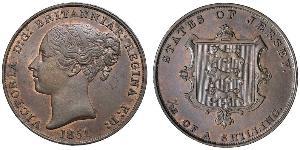
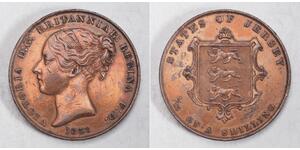
The Crown of 1873 is a classic specimen showing early post-unification attempts where Jersey adopted British currency designs yet with subtle variations approved by London officials or local requests.
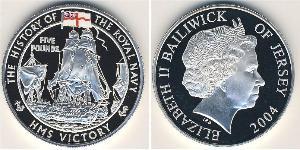
A particularly valuable and historically resonant issue are the modern commemorative series celebrating Liberation Day on May 9th. These often include silver proofs, medals struck at various mint facilities in Ireland, England, or even Canada to honor wartime contributions of Jersey people who stayed behind despite evacuation possibilities for neighbors across water.
The Jèrriais language banknotes (2015–present) are not coins but important numismatic objects—first polymer issues featuring traditional architecture and scenes from rural life, often paired with commemorative gold proof sets that sell alongside them. These items highlight both local artistic traditions while maintaining international collectibility through Royal Mint partnerships.
Cultural Legacy
The coinage of Jersey today is a reflection not just of money but identity—where one sees the Bailiff’s office building, Mont Orgueil Castle depicted on notes or medallic reverse designs. These artistic choices deliberately preserve Norman heritage through French-style lettering alongside English explanations.
Cultural symbols also appear: Jèrriais written scripts on some limited editions; local flower motifs (like buttercups found in St Helier gardens); and even references to historic events like the legendary head walking of Saint Helier. Such imagery transforms currency into miniature history books for children, elders, or international visitors alike.
Institutional mints outside Britain—such as Canadian Royal Mints—have also been commissioned to produce Jersey-themed gold bullion products marketed abroad. These emphasize global reach while remaining rooted in local sovereignty structures like those established after WWII liberation celebrations of 1945.
For collectors
Jersey remains highly valuable for specialists because its numismatic output sits at an intersection: between British sterling usage and unique island identity. While not every coin bears a "Jersey mint" stamp, historical wartime tokens or commemorative medals still command attention due to their scarcity.
The key advice is context over catalog numbers; understanding what happened in 1945 (liberation), during Corn Riots of earlier era, or how French refugees shaped Calvinism helps explain why certain designs exist. Collectors should focus on: historical tokens minted for daily life before modern times; wartime occupation pieces from Germany; and post-liberation commemoratives celebrating local independence spirit.
Fresh series continue to emerge with limited-edition medals issued by independent mints or international partners, often highlighting themes like maritime exploration of Newfoundland fisheries (early era) or Norman-French heritage in Jèrriais script. For serious collectors seeking depth rather than investment speculation alone, Jersey represents a fascinating study case of micro-national finance within larger geopolitical frameworks.
In conclusion: this island tells its story not just through words but metal and paper—preserving history for generations to come by making every coin or note part of living narrative connecting past struggles with present-day cultural pride. Whether viewing a simple circulating penny bearing the Queen’s portrait alongside Bailiff emblem, one sees centuries woven into small space.