| View |

 Jamaica (1962 - )
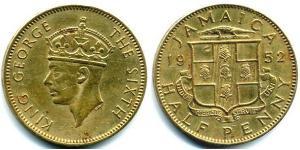
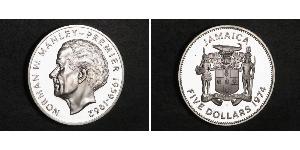
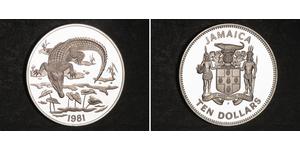
| Jamaica (1962 - ) | Link to Wikipedia |
Jamaica: History, Coinage and Collectibles
Historical Background
The narrative of Jamaica begins in a landscape teeming with life before human intervention from Europe ever arrived here. For thousands of years prior to colonization, the Taíno people thrived on this island, navigating its rich tropical ecosystems and establishing settlements along the coastline that stretched north and south across what we now know as modern day Kingston through Spanish Town. The arrival of European powers soon transformed the region from a frontier outpost into a strategic hub for global commerce.
The economic foundation laid upon the island was driven by agriculture, primarily sugar cultivation which would later define the colonial era. When Britain formally took possession of Jamaica in 1655 during their Caribbean expansion strategy, they inherited an economy already built on trade networks connecting Europe to Asia and Africa through slave labor systems. This complex geopolitical landscape shaped how goods moved across oceans and necessitated robust monetary systems.
In the early colonial period, Jamaican commerce was heavily reliant upon shipments of molasses and sugar sent to England for processing into rum before returning as high value manufactured goods or raw materials from overseas colonies. Because money had no local supply initially, merchants relied on Spanish silver dollars imported via trade winds which crossed the Atlantic basin.
The island developed a unique culture that merged Indigenous roots with British colonial administration and African heritage through forced migration. This blend of cultures influenced not only architecture and language but eventually monetary policy once Jamaica transitioned from dependency to independence in 1962, moving toward self-governance while retaining ties within the Commonwealth.
Currency and Coinage History
Jamaica's history with coinage is a story of adaptation and evolution. For nearly two centuries following British conquest, Jamaica did not mint its own currency locally; instead it circulated Spanish silver dollars imported from Mexico or Seville which became the de facto standard for daily transactions among plantation workers in Kingston.
- The first true local coins began appearing during the era of Queen Victoria as Britain expanded colonial administration to include official monetary production
- Copper was initially used because copper pennies were cheap enough to wage labor but durable enough for tropical use which required metal withstanding corrosion and humidity
A significant turning point occurred in 1962 when Jamaica officially adopted its own decimalized currency replacing the British pound shilling system that had governed trade since the mid-nineteenth century. This era of transition marked a massive shift for numismatists who study how small islands manage large economies.
The adoption of Jamaican Dollars and Cents allowed local banks to issue notes while maintaining control over copper coin production through authorized Royal Mints initially based in Canada before establishing their own capacity locally.
This era also saw the introduction of modern anti-counterfeiting designs which were essential for protecting the nation against illegal trade flows from neighboring Caribbean nations where currency controls are sometimes lax.
Mints and Coin Production
The evolution of Jamaican minting reflects changing economic needs. Early issues came from London Mints, stamped with royal portraits and standardized designs that communicated British authority rather than local identity. It was not until independence in 1962 when new commissions began allowing for creative expression through the design department.
- Designs shifted away from generic Royal imagery toward iconic Jamaican wildlife including parrots, hummingbirds
The choice of metal is also indicative of production history. Early silver coins contained significant amounts of bullion value which allowed them to hold their weight on international markets even when traded at face values abroad.
Metal compositions shifted over time as inflation pressures rose and governments sought cheaper alternatives for circulating change while maintaining artistic integrity through high-quality proof sets manufactured by major global partners such as the Royal Canadian Mint before establishing local production capacity within Kingston eventually.
Notable Coins
Collectors are often drawn to coins that tell a complete story rather than simply showing face value or date. One of most intriguing categories consists of early colonial issues from London which were circulated in Jamaica during the mid-eighteenth century before they became scarce after independence reforms altered monetary policy.
Jamaican Decimal issues introduced in 1960s remain popular among beginners because they provide entry into Commonwealth coin collecting world. The designs depict local landscapes that reflect pride for independence.
More recent proof sets issued as commemorative items highlight national heritage with motifs such as the Jamaican flag and coat of arms, featuring bold colors red gold green on copper planchets struck to high relief standards allowing collectors appreciate detailed engraving work not seen in ordinary circulation issues
These special proofs often carry mint marks that help identify origin points which is important when evaluating authenticity.
Cultural Legacy
The coinage of Jamaica serves as a tangible link between the island's history and its identity today. When examining these pieces, one sees how economic stability was prioritized through robust metal choices during colonial rule while artistic representation evolved to celebrate local nature rather than British dominion.
- Laws regarding what could be depicted on coin changed significantly after independence
This evolution from imported Spanish dollars to locally minted cents mirrors the journey toward sovereignty and financial self-reliance. The Jamaican Dollar remains a symbol of national unity that helps connect modern banking systems with colonial trade history.
Cultural symbols found in these pieces like coat of arms red cross background remind citizens of historical struggles against pirates and slavery which helped establish economy basis even today through tourism agriculture exports
For Collectors
Jamaica remains highly valued among numismatists for its role as a window into Caribbean colonial history. The island provides examples where silver standards coexisted with copper circulation coins which offer contrast between high denomination bullion pieces and everyday change used to pay wages.
- Rare early dates command attention due to survival rates
New collectors should appreciate modern proof sets as artistic objects celebrating national heritage rather than mere currency tokens. The historical journey from sugar trade dependency toward self-governance allows study of how money systems support broader economic development strategies.
Ultimately the Jamaican coin collection offers a way to hold history in your hand while connecting with global trade stories written across ocean currents that shaped empires during colonial age.
The value of these collectibles extends beyond monetary worth because they represent resilience and survival through difficult centuries which continues into modern prosperity enjoyed by nation today.