| View |

 Ireland (1922 - )
| Ireland (1922 - ) | Link to Wikipedia |
Republic of Ireland: History, Coinage and Collectibles
Welcome explorers to the realm of Irish numismatics. Like a silent archive etched in metal and glass, our currency collection tells tales of ancient kings, Viking traders, colonial administrations, and sovereign nations rising through the centuries. As we step back into this world, let us appreciate not merely the metals that changed hands during daily commerce but the cultural tapestry these coins reveal.
Historical Background
The narrative of Ireland is one where history has often been written in stone and gold alike long before paper money was invented. From ancient Celtic tribes roaming the fertile bogs, trade routes connected this island to continental Europe via Dublin's port or Cork's harbor on the Atlantic side. These maritime links brought Roman influence during early contacts with Britain, then Viking coinage that trickled into local hands from Norse trading settlements like Waterford.
The arrival of Christianity and Normans
With St Patrick arriving, monasteries became centers where silver crosses were crafted, but true circulating currency required a centralized state power. Following the Norman invasion in the twelfth century, English coinage began to circulate due to trade with London markets. However, even under British rule for several centuries, the distinct local economy of rural Ireland often relied on barter or foreign exchange like silver shillings from France.
Sovereignty and Independence
The transition toward modern nationhood began when economic reforms in the early twentieth century allowed for a break away from sterling dependency. While many countries changed symbols with every regime change, Ireland preserved continuity between its ancient past and new republic status through minting traditions of independence.
Currency and Coinage History
The earliest circulating coin types found in these regions date back to the late medieval period when English pennies bearing royal names were common. During times of war, silver content fluctuated wildly as inflation consumed value from the market economy.
Moving toward Independence
In the early 1900s and during British Rule prior to full independence in the late twenties and thirties, legal tender remained tied to London. As Ireland sought its identity through economic means following World War I and up until modern times, new legislation introduced a decimal currency system that replaced pre-decimal shillings and pence.
The Post-Decimal Era
Beyond the transition in 1978 when Ireland adopted metric denominations for daily transactions (cents and euro), collectors have found significant interest in commemorative issues celebrating cultural milestones. The modern era saw a shift from mass-produced metal coins to limited-edition releases featuring unique designs highlighting national heritage.
Mints and Coin Production
The history of Irish coin production is marked by the closure, reopening, or outsourcing of minting facilities under British rule. During times when independent local mints were established for specific issues like copper pennies in Cork city to service rural merchants, artisans utilized traditional hammer-struck methods before transitioning to modern screw presses.
Metal Sources and Designs
The artistry involved is crucial here; skilled engravers often incorporated Celtic knot work or simplified heraldic symbols into the faces of currency. While mass production prioritized utility, special issue coins featured intricate portraits on high relief surfaces to catch light during display cases.
Notable Coins
The First Sovereign Gold Coinage
A key highlight for collectors is the series of gold issues that debuted after full independence. These were designed not only with aesthetic appeal but also to assert economic sovereignty in international trade networks without borrowing from foreign entities.
- The Modern Sovereign Series:
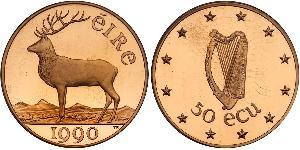
This coin features a stylized representation of the national symbol and often depicts scenes significant for tourism. Its weight reflects ancient standards that collectors cherish as proof that gold still exists in circulation outside bullion markets.
- The Decimal Series:
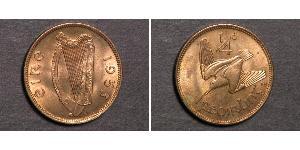
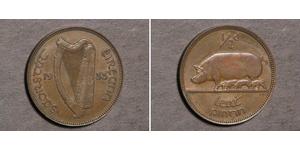
These circulated coins represent the birth of modern Irish currency independence and are sought after for their minting quality during post-war recovery periods. They serve as artifacts marking a specific chapter in national economic development.
Cultural Legacy
The design choices found on these monetary items reflect deep respect for local heritage rather than just generic government branding. Engravers often chose subjects that represented the rugged coastlines, ancient monastic ruins, or agricultural landscapes vital to rural communities living across centuries of change.
Symbols and Identity
You will see motifs ranging from Celtic knots used as background patterns in silver issues to harps representing unity. The selection process involved artists consulting with historical archivists who understood the importance of preserving accurate history within small metal formats available for everyday commerce.
For collectors
This nation offers a fascinating path into understanding how trade shaped national identity before it became common knowledge in modern economics or archaeology. Each coin found on a collector's table tells a story about its era—from Viking silver fragments to post-independence gold sovereigns.
- Rarity:
Some types were produced in limited quantities and are highly prized. Others exist only as trial proofs struck before regular production began, offering insight into the minting process itself for scholars of history.
- Cultural Significance:
The collection remains important because it allows enthusiasts to touch a piece of physical history that moved money across oceans and shaped global trade relations during key historical moments. Acquiring these items is akin to curating your own museum exhibit.