| View |
| preceded by | |
|
|||||||
 Imperial City of Augsburg (1276 - 1803)
|
|||||||

| succeeded by |
| Imperial City of Augsburg (1276 - 1803) | Link to Wikipedia |
Augsburg: History, Coinage and Collectibles
Historical Background
To understand the numismatic legacy of Augsburg is to step back into a time when trade was king. Unlike modern nations defined strictly by borders drawn on maps, Augsburg stood as a testament to medieval power dynamics during its era as an independent Free Imperial City. This status meant it paid no taxes directly to the Holy Roman Emperor and held sovereignty over its own laws—a unique political reality that allowed this city-state to flourish in the shadow of larger kingdoms like France or Burgundy.
The region served as a crucial nexus for commerce between Northern Europe (Germany) and Southern markets. The Danube River acted as a natural highway, funneling goods from the Mediterranean into central European markets. This wealth did not just accumulate; it transformed the city physically and culturally. Augsburg became synonymous with prosperity in an age when industrialization was still centuries away. It hosted famous trade fairs that drew merchants from across Europe to conduct business under the protection of its imperial charter.
Culturally, the city embraced a Renaissance identity early on. Its architecture shifted from simple Romanesque fortifications to ornate Gothic and Baroque styles funded by merchant guilds. The printing industry flourished here alongside coin production; the same presses that printed maps or books often influenced numismatic art through engraving techniques brought back from Italy.
Prior to 1806, Augsburg was politically significant as a "Free City" but its history is inextricably linked with the Holy Roman Empire and later German states. It represents an era before national boundaries solidified into what we know today. For collectors, this independence explains why you might find coins that look different from Bavarian or Prussian issues—Augsburg was a sovereign entity issuing money for its own economy.
Currency and Coinage History
The evolution of currency in Augsburg mirrors the economic shifts across Europe. Early coinage in this region transitioned from gold to silver as trade goods became more valuable than bulk metal wealth could sustain individually. The most iconic issue for collectors is undoubtedly the "Augsburger Gulden" or similar denominations that circulated freely.
In medieval times, coins were often produced by private mints owned by wealthy burghers (citizens) within specific jurisdictions before they moved to a state-run system later in history. As Augsburg's political status fluctuated—sometimes under the rule of the Bishopric and sometimes fully independent—it minted its own silver currency to regulate local commerce.
The most significant shift occurred when standardization became necessary for international trade. Merchants demanded reliability; if you bought goods in Venice, a specific weight of gold or silver was required so that Augsburg merchants would accept it at face value. This need drove the city's mints to align their output with broader European standards like the Rhine Guilder.
This standardization period is fascinating for history enthusiasts because coins became legal tender documents rather than mere jewelry. When you examine an older coin from this region, you are looking at a government promise backed by weight and purity, which was strictly monitored by local guilds before eventually falling under stricter imperial supervision during the Napoleonic era.
Mints and Coin Production
Augsburg's reputation in numismatics rests largely on its high artistic standards. Unlike many rougher issues from peripheral German regions, Augsburg coins were known for their detailed craftsmanship.
- The City Mint: Located within the fortified walls of the city, this workshop was often operated by masters trained in Italy or Venice.
- Minting Techniques: The use of copper dies on steel plates allowed for intricate engravings that were impossible to replicate with older hammer-struck methods. This "engraved" style distinguished Augsburg issues from crude hammered coins elsewhere.
The artistic characteristics are the primary differentiator in identifying this period's currency. Coins often bore elaborate depictions of saints or allegorical figures representing commerce and justice, rather than just generic crests seen on later German states. The technology was not just about mass production; it was an art form.
- Mint Masters: While many names are lost to time due to record loss during wars or political changes (such as French annexation), the masters who worked here were often celebrated artists in their own right. They treated coinage almost like small, high-relief sculptures.
The production quality ensured that even lower denominations carried a sense of dignity associated with official statecraft. This is valuable for collectors today because it helps differentiate between regional issues (local city coins) and central minted pieces intended for wider circulation among the nobility.
Notable Coins
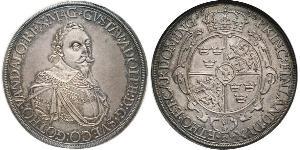
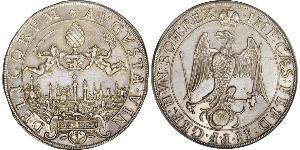
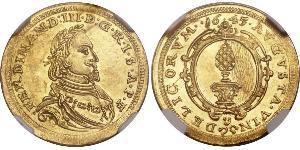
Few coin types from this region are more sought after by serious collectors than the silver thaler variants. While these often circulated as standard currency, specific issues can be distinguished by their die pairs and artistic quality. For example, late 17th-century coins bearing "Augsburg" or related city legends are prized for showing local civic pride.
The St. Ulrich Coin Series:
- Historical Context: These coins were struck in the later years of the Free City period, just before political integration into broader German states began to take shape around 1806.
- Design Features: You will often see these minted with high relief. The obverse might display an imperial eagle or a civic saint, while the reverse features specific mottos related to trade and justice. They lack heavy borders but feature rich detail in their fields (backgrounds).
- Collections Importance: Collectors prize these because they often represent "full marks"—a minting technique from this area where every side of a die was used before it wore down, resulting in perfectly round coins. This is rare compared to worn or uneven issues elsewhere.
The Guldiner Issues:
- Historical Context: These are often associated with the Bishopric of Augsburg but also circulated widely in commercial trade, distinguishing them from purely "Bishop's" coins. They served as a medium for bulk commerce.
- Collections Importance: Unlike some other German regions where copper or base metal dominates the collection focus, these silver issues provide a tangible connection to medieval Europe before Germany unified into one nation-state in 1871. For collectors interested in early history but lacking deep knowledge of Holy Roman Empire politics, this series is an accessible entry point.
Cultural Legacy
The coinage from Augsburg reflects a culture that valued order and commerce above all else. The designs were rarely aggressive or militaristic; instead, they favored symbols of peace, industry (often the hammer or loom), and religious reverence.
This distinction is crucial for collectors who study numismatic history because it allows us to see how different political entities prioritized their citizens' values on metal plates. While other regions focused heavily on military victories on coin faces, Augsburg often used its money as a medium of civic pride—highlighting that the city was an economic powerhouse.
The religious symbols found in obverse and reverse depictions are also historically instructive; they reveal which churches or orders were patrons at specific times. The transition from older church icons to newer secular imagery mirrors social changes, making these coins a written history book for those who can read them.
For collectors
Augsburg stands as one of the premier cities in world numismatics simply because it was so influential on trade and economics before modern borders existed. While HobbyRay covers Germany extensively, looking specifically at issues like these helps build a deeper understanding of what "Germany" meant during its early centuries.
The Historical Significance
Coin collectors often seek items that connect to national heritage or broad historical periods. Augsburg offers both: it connects you directly to the Holy Roman Empire's end and the rise of modern German states (like Bavaria). By focusing on these pieces, your collection becomes a narrative tool—telling the story from medieval merchant guilds all the way up through French annexation.
The HobbyRay Collection Perspective
We recommend starting with "common" varieties in silver. Even low-grade examples (such as those showing wear) have value because of their rarity and artistic quality compared to common base-metal issues from modern Germany. As you advance, looking for specific engraving styles that were unique to this region can separate your collection into a high tier.
Augsburg is not just a city; it was an empire unto itself once upon a time. Collecting its coinage allows you to hold a piece of the history when European trade first exploded and currency standards began forming, making every silver thaler from this region a small but significant historical artifact waiting for your appreciation.