| View |
| preceded by | |
 Iceland (1944 - )
|
| succeeded by |
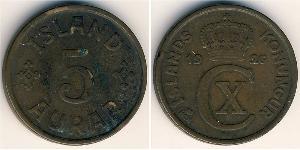
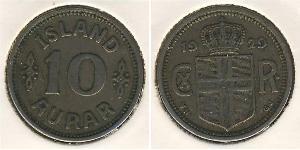
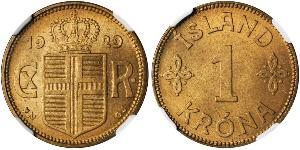
| Iceland (1944 - ) | Link to Wikipedia |
Iceland: History, Coinage and Collectibles
Historical Background
Welcome to a journey through one of Europe's most isolated yet culturally rich islands. To appreciate the coins that have circulated in Iceland is first to understand the land itself—tucked between tectonic plates and warmed by ocean currents, far removed from European trade routes for millennia. This remoteness dictated its monetary destiny. For centuries after settlement began in 874 AD, there was no currency native to this island chain because it possessed nothing but to offer: livestock and timber were traded against foreign metal goods. Consequently, coins found on the shores of Iceland during the Middle Ages belonged to visiting merchants from Norway or Denmark.
The historical narrative shifts with the political union known as the Althing's long tenure in history until 1845 when parliament was suspended for decades and again after centuries of external rule began. When Iceland acceded to Danish-Norwegian influence, it became part of a larger kingdom where economic stability often hinged on maritime trade rather than internal industrial production.
The transition from dependency to sovereign nationhood is the most significant chapter in Icelandic monetary history. Following independence declared in 1944 after World War II occupation, Iceland began to assert itself not just politically but economically. However, it remained a small economy reliant on whaling and fishing sectors for revenue streams until modern biotechnology developed later. This focus kept its currency issuance relatively conservative yet rich with nationalistic symbolism.
Currency and Coinage History
The story of money in Iceland is essentially the story of Denmark's coinage system as utilized by a distant territory, evolving into local expression over time. For much of history, collectors find little gold or silver struck locally; instead they encounter Danish crowns circulating widely within Icelandic trade networks.
During the period when Iceland was under formal union with Denmark (and prior), coins circulated were primarily minted in Copenhagen but intended for use throughout the Scandinavian realm and its dependencies. When modern nationhood solidified, the government decided to issue coinage that better reflected local identity rather than just administrative necessity.
The most distinct phase began mid-20th century when they established a monetary system tied strictly to their export economy of fisheries. However, this stability did not persist indefinitely; Iceland experienced significant economic shifts in later decades affecting currency valuation and requiring collectors to pay attention to dates separating periods of high inflation from those of relative stability.
Mints and Coin Production
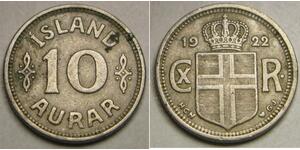
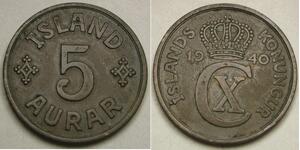
- The Copenhagen Mint: For almost the entirety of its numismatic history, until relatively modern times in 20th century production, all coins minted for circulation were produced at Copenhagen facilities. This is an important point to understand regarding scarcity—these "Icelandic" pieces are Danish metal stamped with Icelandic design motifs rather than local silver or gold.
- The Reykjavik Mint: Later in the 20th century, specific commemorative issues were struck locally on request. This introduced a new level of rarity to collectors as mintage numbers for these special releases are often lower compared to general circulation pieces.
This reliance on foreign minting facilities meant that high-grade examples (such as UNC or Gem) can be quite difficult to locate since the vast majority circulated heavily in fishing communities and ports where they were spent rather than saved. The art style of these coins typically adheres strictly to Nordic aesthetics, often featuring nature elements like whales, horses, mountains, and ice.
Notable Coins
- The Early Sovereigns:
- In the early years following independence or during union periods prior thereto when gold sovereigns were struck in Copenhagen for Icelandic use featuring specific designs, these are highly sought after by high-end collectors.
- Silver Kronur Commemoratives:
- Iceland produced many beautiful silver pieces celebrating nature and history. These often depict the horse or raven—symbols deeply rooted in Norse mythology which connects to their early settlers. They serve as tangible links between the ancient Commonwealth era legends and modern currency.
- Copper Cent (The Penny):
- Piece issues minted during periods of inflation or economic restructuring are historically significant for students of Iceland's monetary evolution. They were used in markets to buy groceries before the era of plastic cards became common.
- Silver Dollars (The Krona):
- The silver dollar, though less standard than paper money today, had a significant period during which it was widely circulated for tourists and large trade transactions. Silver versions of the krona from specific years often retain high premiums.
- Jubilee Commemoratives:
- The 1908 or similar major anniversary issues struck in honor of local heritage are among the most important pieces for serious collectors. These usually carry low mintage numbers and distinct artistic engravings.
- Limited Issue Pieces:
- The 1930s saw a few special limited issues related to national celebrations, often made of gold or fine silver for foreign visitors visiting the capital Reykjavik. These are relatively rare today.
- The island remains relatively small, yet its numismatic output is disproportionately interesting due to the scarcity of early issues and local minting conditions that made survival difficult in harsh climates. This explains why high grades for old silver or gold pieces command premium prices.
- Idealized representations found on coin surfaces provide a unique insight into Icelandic art styles compared with mainland European counterparts, often favoring realism over ornate Baroque flourishes common elsewhere during earlier centuries of the 19th century.
Cultural Legacy
Icelandic coinage serves as more than just metal; it is a visual diary of the island's soul. The imagery found on these coins avoids political figures in favor of natural wonders and historical myths. The horse, which appears frequently on Icelandic currency since ancient times, honors an animal that has survived alongside Icelanders for thousands of years.
The artistry often incorporates volcanic landscapes or whale motifs honoring the maritime heritage where sailors relied upon marine life to survive during harsh winters. In later periods when they minted sovereigns specifically under their own flag rather than utilizing Danish designs exclusively, these issues featured distinct heraldry that separated them culturally from neighbors like Norway.
Even today's circulating currency continues this tradition by featuring historical figures of importance in literature and folklore as well as geological wonders. It is an educational tool for children learning about their country which makes collecting a way to touch history.
For collectors
The history of money here is one of patience. For collectors looking for pieces that speak to their heritage without political weight or controversy, this region offers a treasure trove of silver and gold issues that capture the spirit of exploration in an age before mass production made currency ubiquitous everywhere else on earth.