| preceded by | |
 Hashemite Kingdom of Jordan (1946 - )
|
| succeeded by |
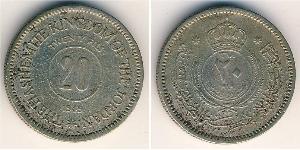

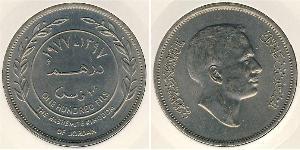
| Hashemite Kingdom of Jordan (1946 - ) | Link to Wikipedia |
Jordan: History, Coinage and Collectibles
Historical Background
To understand the silver and gold that circulated through this kingdom, one must first look toward the ancient sands where empires have risen and fallen over millennia. The territory now known as Jordan sits at a critical geographical intersection of history, bridging Europe, Africa, and Asia for thousands of years before it was officially established as a modern nation-state in 1946.
This region served historically as the beating heart of trade caravans traveling along routes such as the Silk Road. For centuries, coins minted by empires far away—whether Byzantine, Arab Caliphate, or Ottoman—flowed through Petra and Jerusalem to sustain commerce across Arabia. The cultural fabric here is woven with layers of Nabataean artistry and Islamic heritage before British administration shifted sovereignty from imperial control to the Hashemite monarchy in 1924.
The transition period following World War I was complex, marked by economic restructuring where local economies had to detach entirely from foreign currency systems used during wartime. This era set the stage for a unique numismatic identity that preserved regional continuity while introducing modern national symbols. It is essential for appreciating the collection of Jordanian coins not merely as metal objects but as artifacts marking a young nation carving out its own economic sovereignty.
Currency and Coinage History
The evolution of currency in this region reflects broader shifts across the Arab world during the 19th century. Prior to independence, coinage was largely dictated by Ottoman decrees or local British mandates that relied on foreign mint standards like Egyptian piastres.
Independence brought a need for domestic monetary stability and national branding. In late 1946, Jordan adopted its own decimal currency system known as the Dinar divided into Fil. While this mirrors international trends established by major nations in the west after World War II, it was crucial because it unified trade between urban centers like Amman, Aqaba, Irbid and Jerusalem.
The early years saw a reliance on foreign mints to maintain strict financial quality standards while building national prestige. As trust grew with domestic production capabilities expanding across the region during mid-century decades, Jordan established its own protocols for minting that respected Islamic traditions regarding representation of human faces in religious contexts while embracing artistic freedom permitted by new state laws.
Mints and Coin Production
The physical creation of coins began under strict international oversight. During the initial post-war period, production often occurred in facilities located within British dominions like London or Cairo to ensure weight standards met global expectations for silver coinage used in trade routes connecting Baghdad, Beirut, and Mecca.
Around 1972, local minting authority expanded significantly as technology allowed the establishment of domestic pressing centers near Amman. The shift from British engravers to national artists marked a distinct change in artistic style on reverses while legends maintained strict adherence to Arabic script norms established by royal decree at independence.
The mints themselves adhered to rigorous metallurgical standards where silver coinage composition hovered around 80 percent purity with copper fillers for durability and tone. Modern designs incorporate intricate detailing reflecting the national emblem found on official seals, which became a recurring motif used throughout decades of production before later reforms introduced more contemporary imagery.
Notable Coins
- The 1946 Independence Dinar Series:
This first issue marks the birth of statehood currency. The design features a prominent Royal Eagle atop an olive branch against fields of wheat and barley, symbolizing prosperity born from peace after years of colonial oversight. Collectors prize this series for its high relief strike quality often observed even in circulated condition due to early mintage patterns.
- The Gold Dinar Coins:
Minted periodically during mid-century anniversaries, these coins feature intricate detailing of the national symbol rendered in rich yellow gold. Unlike many other Middle Eastern issues from that era which suffered heavy wear patterns early on, Jordan's gold pieces often retained sharpness thanks to higher metal thickness standards and careful minting practices.
- The Silver Fils Series:
Piece after piece showing the gradual change in national artistry over decades. Reverse designs shifted from traditional agricultural motifs to abstract patterns representing modernization efforts, such as industrial buildings and bridges connecting cities with ports like Aqaba opening for global maritime trade.
Cultural Legacy
The coinage of Jordan acts as a small museum exhibit in itself. Each design carries the weight of history preserved within copper-nickel cladding or silver alloy, depicting not just rulers but symbols central to regional identity such as dates derived from lunar calendars alongside standard Gregorian years.
Cultural influence extends beyond mere metalwork into calligraphy and religious considerations that guide what appears on public record in this Islamic region. Consequently you will find no faces depicted until later periods when specific decrees changed traditions entirely, allowing the artistry to flourish toward geometric patterns and scriptural verses emphasizing national unity over individual portraiture.
The inclusion of olive branches, wheat stalks, and traditional eagle crests tells a story not written in textbooks but forged by hand. They celebrate agriculture that feeds millions while honoring ancient nomadic heritage where camels once guided traders across these very same plains to reach markets further east.
For collectors
Jordanian coinage remains significant today because of its role as a gateway for enthusiasts new to the field. The early independence series represent foundational pieces often found at accessible levels while offering potential investment opportunities if graded professionally under protective slabs by major grading organizations.
Silver denominations especially appeal due to their availability in circulation during 1960s economic booms when production was high before later decades focused on gold and commemorative releases. Completing a date set from the first issuance offers satisfaction for any hobbyist seeking comprehensive coverage of young nations whose histories are preserved permanently inside metal.
The enduring value lies not only in market pricing but historical narrative contained within each strike that documents how one country navigated modernization while maintaining deep respect for ancestral values encoded into every reverse and legend. Collectors who appreciate this balance will find Jordanian issues provide depth beyond simple completion challenges to understanding the evolution of state identity through artistry.