| View |
| preceded by | |
 Guyana (1966 - )
|
| succeeded by |
| Guyana (1966 - ) | Link to Wikipedia |
Guyana: History, Coinage and Collectibles
Historical Background
Welcome to a journey through the "Land of Many Waters." This phrase is not merely poetic; it describes Guyana's very soul—a place where nature thrives in abundance. To understand what holds such value today for collectors, one must first look back at how this nation arrived on the map and within the global trading system.
The story begins long before European feet touched its shores. Indigenous communities lived harmoniously with the land for millennia. The British arrival marked a profound shift in history, transforming Guyana from indigenous territory into "British Guiana." This colonial era is not just dates on a calendar; it was a time when economic power and imperial reach were consolidated through trade routes that spanned oceans.
The nation’s trajectory shifted dramatically with the discovery of oil reserves more recently, but its monetary heritage is rooted in agriculture, mining, and commerce. In earlier centuries, gold panning became an obsession for settlers from other colonies to Guyana seeking fortune. This activity required a stable currency system capable of handling transactions between plantation owners and miners.
Gaining independence was not just a political change; it was the end of direct monetary ties with London. However, as you will see in our numismatic timeline, the cultural imprint remains distinct even after 1970, bridging an era from colonial administration to modern economic growth through oil and agriculture.
Currency and Coinage History
In this corner of South America where English is spoken on one continent's mainland, money took a peculiar shape. For most of the world today, cash transactions are handled in local currency units or dollars linked to major global indices. In Guyana's early history, however, coins were often British sterling.
The evolution from metal coinage to paper notes is stark here and tells us much about geography. The distance from London was vast; minting small change locally before independence proved incredibly difficult for the colonial administration. This historical reality means that collecting Guyanese coins requires a different mindset than American or European collections.
The transition period leading up to 1966 offers significant depth of study. As British Guiana approached maturity, monetary policies began shifting from imperial control toward economic self-sufficiency. The independence years brought currency reform—the end of the sterling system as an international necessity and its replacement with a local dollar.
Mints and Coin Production
An important point for collectors to understand is scarcity by design due to geography rather than just production volume. There were no mints established within Guyana during most of the colonial period, meaning coins circulated there came from overseas sources—specifically Trinidad.
This historical quirk creates a unique collection challenge: how did coinage travel across oceans to feed an economy that required specific denominations? The minting traditions reflect this reliance on external partners. While paper currency became dominant early in the century for trade convenience, coins were sometimes imported or struck locally during short transitional periods.
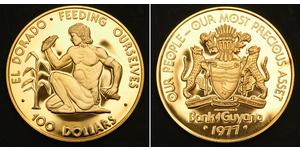
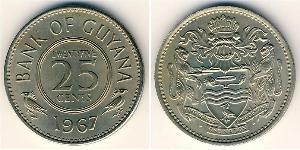
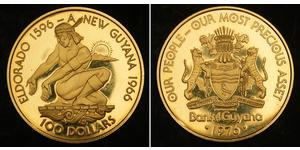
The artistic characteristics of these pieces often mimic British designs but eventually incorporated local imagery—symbols from nature, maps showing coastlines rich with resources like diamonds and gold, representing a resource-rich economy. These distinct visual markers separate them clearly from other Commonwealth Caribbean issues that may have used standard colonial stamps or generic minting.
Notable Coins
- The Independence Era Issues:
- The Early Colonial Silver Rounds:
- The Gold Rush Commemoratives:
This series is often highly prized because it marks the transition of sovereignty. You will find silver pieces issued immediately after 1966 that commemorate a new age for this nation. These are rarely seen in high volumes, representing the excitement and hope surrounding their own country's political birth.
Prior to widespread industrialization of note printing or local coinage infrastructure, silver was king among collectors' eyes for a time. These pieces are scarce finds because production often relied on imports before independence reforms were solidified in the later decades.
Intriguingly, some of the earliest monetary issues relate to gold mining activities that drew thousands to Guyana during historical peaks. While standard circulation coins are rarer now due to inflation and melting for bullion value back then, these pieces carry weight literally.
Cultural Legacy
The currency of a nation is often the most accessible form of its history in your hands today. When looking at old banknotes or older coins from this era, you are not just holding paper and metal; you hold symbols representing diverse populations.
Artistic choices during these periods reflected an appreciation for local culture alongside colonial heritage. The designs show the country's position as a bridge between continents—a unique mix of Caribbean influences with South American roots.
For collectors
Collecting Guyana offers something distinct from standard Commonwealth numismatics because of its history and location on mainland America but within British trade circles. The scarcity factor, combined with the historical narrative that connects it to gold rushes and independence struggles, provides a compelling story.
The focus here is less on high market values fluctuating daily in an economy now rich from oil resources, which may be volatile or shifting fast; rather than collecting pieces that tell stories of resilience, history turning points like the shift from colonial rule. This nation stands as a testament to growth and change across centuries.
This unique position means you will find items here that cannot easily be found elsewhere in this vast region. The legacy continues today through designs on modern coins featuring national symbols and nature imagery that reflect back into our collection's history book, preserving the memory of its past while embracing a bright future for this remarkable country.