| View |

 Grenada (1974 - )
| Grenada (1974 - ) | Link to Wikipedia |
Grenada: History, Coinage and Collectibles
Welcome to a journey through the islands of Grenada, where history is etched into metal. To understand what lies within this collection of artifacts requires understanding the story of an island nation that transitioned from French settlement to British colonial rule before emerging as a sovereign state in 1974. The coins and paper money associated with Grenada tell the tale of its economy, trade relationships, and national identity.
Historical Background
The history of this Caribbean nation is one often defined by agriculture and international shifts in political power. Originally inhabited by indigenous peoples before European arrival, the island came under French control during the colonial era. The name Grenada itself was applied early on to reflect its rugged terrain and lush growth.
Culturally and economically, the development of this region relied heavily upon trade relations with Europe and the wider Atlantic world. As one of the primary producers of spice in the Caribbean basin, it became famously known as the Spice Islands following contact between nations such as France and Britain during the 17th century.
The geopolitical landscape shifted significantly when Great Britain acquired Grenada through treaty arrangements at the end of a series of conflicts involving Spain. For several decades following this transfer, British administration established itself while maintaining trade relationships with neighbors like Martinique. This period was crucial for defining regional monetary standards as well as fostering plantation economies that relied on sugar and spice crops.
The island eventually moved toward self-determination during the latter half of the 20th century. Independence in 1974 marked a pivotal moment not only politically but also culturally, allowing the local government to redefine symbols used across its currency issues including paper notes that circulated within commonwealth trading zones.
Currency and Coinage History
The evolution of money on this small island reflects broader trends in British colonial history. Initially, traders utilized generic foreign currencies or regional tokens such as the Spanish dollar which found widespread use across many Caribbean markets before formal coinage existed specifically for Grenada.
As trade grew and economies stabilized following World War II standards were imposed more closely under imperial frameworks. The island adopted denominations standard in neighboring regions, eventually joining a union that shared currencies with other nations during the mid-20th century.
- This integration meant coins often carried British designs rather than local portraits before independence.
The shift toward sovereign control required distinct changes. Upon gaining independence, authorities issued new series of denominations representing their own sovereignty. This transition allowed for features that reflected unique national history including agricultural products and symbols associated with the flag which were not present in previous issues under earlier administration.
Mints and Coin Production
Grenada never operated a domestic mint before independence due to scale limitations shared by many smaller states. Instead coin production utilized facilities located within British territories or specialized mints overseas. This reliance on external centers for manufacturing meant that artistic styles often reflected international conventions.
The transition after 1974 introduced new design philosophies which included the use of copper-nickel alloys and silver materials for limited issue proof sets rather than standard circulation. These facilities were managed in coordination with broader regional authorities until local production needs eventually developed further capacity through contractual arrangements to handle demand from collectors.
- Silver proofs are often struck at high relief levels during this period which appeals significantly to hobbyists seeking detail preservation over longevity.
This reliance on international manufacturing centers meant that while the obverse of a coin might carry imperial or British royal imagery, reverses were sometimes handled with local oversight once independence was achieved. The technology used in striking these items remained consistent across neighboring islands which often shared identical reverse designs before diverging as national pride increased.
Notable Coins
Coin collectors find particular significance in pieces from the Independence era and subsequent issues that bear specific cultural symbols. One of the most historically important types to examine is found among those minted shortly after 1974 when sovereign status changed official coinage policy.
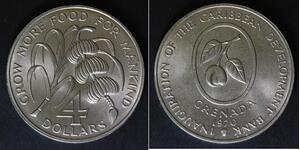
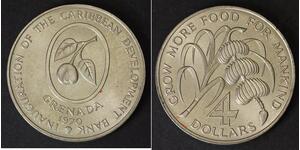
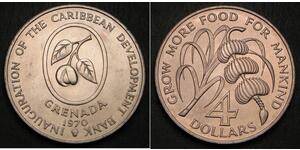
The early independence series typically featured designs incorporating national themes such as the coat of arms or floral motifs associated with nutmeg production which was central to local agriculture. For each type, historical context matters: these coins celebrate a transition from colonial rule toward self-governance while preserving trade links established previously.
Later circulation issues often depict the national flag alongside common agricultural products such as nutmeg and cocoa. The importance to collectors lies not in rarity necessarily but rather in their ability to represent a specific moment of economic evolution within Eastern Caribbean trading blocs.
The silver proof sets produced for limited distribution remain highly desirable among enthusiasts seeking high-quality artistry combined with regional history. These pieces are often distinguished by mirror-like backgrounds that showcase the fine detail used to render nutmeg trees and national emblems which would not be seen on standard circulation coins.
Cultural Legacy
The coinage of this nation serves as a tangible representation of its people's history. From colonial times when trade dictated economy, to independence where cultural identity was prioritized in design, the evolution reflects changing priorities regarding sovereignty and heritage.
Design elements reflect agricultural richness through images related to nutmeg production which established global fame for this region. Religious motifs appear subtly within artistic choices representing cultural diversity found locally while maintaining respect for history that shaped the country today.
- This symbolism allows historians and collectors alike to understand trade patterns from centuries ago via modern representations of past economic structures on small metal discs passed down through generations as artifacts of national identity formation.
The legacy also includes connections with neighbors which created a shared cultural landscape across the Eastern Caribbean Sea. Collectors can trace these bonds by examining similarities in style and themes that emerged after independence was achieved during post-World War II decades where nations sought to define themselves through coinage while maintaining economic unity.
For collectors
The historical significance of this nation's currency remains profound because it bridges ancient colonial history with modern sovereignty. Coins from later periods offer insights into the independence movement as well as cultural shifts that occurred within small island communities globally where trade and politics intersected in unique ways.
Today collectors continue to seek these items for their educational value regarding how nations emerged. While exact market values vary significantly depending on condition, the primary appeal lies in owning a piece of history from an island nation that played significant roles historically as producers and traders within international markets.
The enduring importance to collectors today stems from their ability to tell stories about cultural preservation. Each coin represents a chapter in the larger narrative where independence was not merely declared but celebrated through art, design, and metal that survived centuries of trade turbulence while remaining accessible as memorials for those who study numismatics.
In summary these pieces allow enthusiasts to appreciate how economic history is preserved within small artifacts. Whether examining early colonial issues from neighbors or modern proof sets representing the current nationhood they stand together as windows into Caribbean resilience and culture through their enduring presence among hobbyists worldwide.