| View |
| preceded by | |
 Ghana (1957 - )
|
| succeeded by |
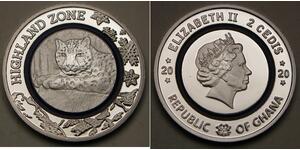
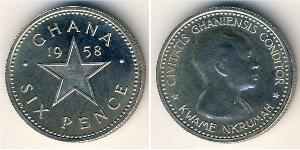
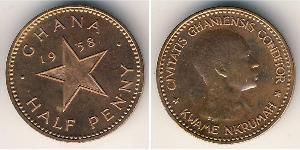
| Ghana (1957 - ) | Link to Wikipedia |
Ghana: History, Coinage and Collectibles
The story of Ghana is one written in gold dust, woven through intricate textile patterns like Kente cloth, and stamped into metal currency across the ages. For the numismatist approaching this nation's coinage, there is a distinct invitation to explore how an ancient trade route known as Wagadu evolved into modern financial sovereignty. As we walk alongside these artifacts in our mental gallery, we look beyond simple catalog numbers to find narratives of empire transition and national rebirth.
To understand the coins that circulate within Ghana today—or those preserved under glass—we must first turn back toward the roots of trade along the Gulf of Guinea where gold has always been king. This rich history informs every facet of numismatic interest, from early colonial issues to the modern symbols representing a unified nation.
Historical Background
The earliest kingdoms in this region were built on the wealth of natural resources found within their borders. The legendary Empire of Ghana further south relied heavily upon trans-Saharan trade routes that brought gold and slaves between Africa's interior and Europe, while indigenous rulers held sway over territories rich in timber and industrial minerals for centuries prior to European contact.
In 1482, a Portuguese explorer arrived at the coast where the Akan kingdoms were flourishing. This marked a shifting tide of power; as Portugal and eventually Britain established dominance along the shorelines, their primary interest lay not merely in tribute but in controlling commerce on an industrial scale. By the late 19th century, these various entities—Gold Coast, Ashanti, Northern Territories—became integrated under British colonial administration.
The economic backbone of this region was always tied to its mineral wealth and agricultural output: cocoa, timber, and precious metals. This dependence on external trade meant that local economies were heavily influenced by the global monetary systems introduced by European powers in the 19th century. Consequently, the coins entering circulation during these eras reflect a complex fusion of foreign political authority with deep-rooted African economic traditions.
Currency and Coinage History
The evolution of currency here mirrors the broader narrative of colonialism moving from resource extraction to industrial development. For many years, local commerce relied upon silver denominations issued by regional monetary boards or foreign imports, alongside barter transactions involving gold dust which remains a significant cultural payment method today.
A pivotal shift occurred in 1928 when the Gold Coast adopted a standardized currency board system that would eventually transition to decimalization. It was during this era of reform—coinciding with increasing infrastructure like the Akosombo Dam—that coins began minting locally or were brought directly from London to stabilize trade for plantations and urban centers.
The mid-20th century marked a decisive turning point as political movements gained strength, culminating in independence on March 6, 1957. At this momentous juncture, the British pound sterling issued by colonial banks gave way to new sovereign units. The currency was renamed and standardized into denominations like the Cedi (plural: Sedis), signaling a break from imperial rule while maintaining continuity of trade.
Mints and Coin Production
The production history reveals how far removed African coinage sometimes was from its creators during colonial times. For much of the late 19th century, coins found in Ghana were produced at the Royal Mint in London or other Commonwealth facilities before being transported thousands of miles for immediate distribution.
National sovereignty brought control over this process to domestic hands. Following independence and the establishment of a constitutional democracy under President Kwame Nkrumah, coinage policy began reflecting national priorities rather than solely serving colonial administration. As industrialization progressed in the Volta Basin, so too did demands for smaller denominations that would circulate among local markets.
The technologies used have naturally evolved from traditional craftsmanship to modern mechanized presses designed specifically for high-volume minting. This shift was necessary as cocoa farming expanded and demand increased dramatically; consequently, coin designs were updated regularly with new artistic representations reflecting national pride rather than European heraldry.
Notable Coins
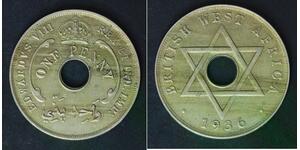
The collector's journey through Ghanaian numismatics begins at the dawn of independence. The most iconic early series features denominations like one shilling and half crowns that carried images of King George VI, yet these were already symbols of a people transitioning toward self-determination.
- The Independence Commemorative: Issued shortly after sovereignty in 1957. These pieces depict the flag being unfurled or local leaders representing unification across ethnic lines. They often carry inscriptions celebrating "The First Colony Free," making them essential for any West African collection.
- The Early Cedi Issues: Following decimalization, bronze and aluminum issues represented the first step toward a modern economy under domestic control. The obverse sides typically feature national symbols such as shields or cocoa pods—crops that fueled the export markets of previous centuries.
Later designs continued to evolve with each president's term. You may find coins featuring stylized birds representing freedom, agricultural tools symbolizing industry in rural areas around Lake Volta and coastal fishing communities alike. These thematic elements make later issues particularly engaging for collectors who enjoy storytelling over strict metal composition analysis.
Cultural Legacy
Ghana's coinage stands as a testament to its vibrant cultural identity, deeply rooted in West African traditions yet fully integrated into modern global economics. The visual narrative moves from colonial authority toward indigenous pride through subtle shifts in design elements found on the reverse faces of coins.
African heritage manifests visibly: shields adorned with symbols derived from tribal art appear alongside images depicting agricultural scenes—planting, harvesting cocoa—that honor farmers who have supported national development since before independence. Even where religious diversity shapes society—with significant Christian and Muslim populations—the state coinage generally maintains secular representations focused on unity rather than sectarianism.
The inclusion of these cultural motifs is deliberate; it speaks to a history where oral traditions were preserved through artistry long after the written word was introduced by foreign powers. When examining an old Cedi or its silver predecessor, one sees not just currency but artifacts that carry echoes from ancient empires like Wagadu and Bonoman back into contemporary commerce.
For collectors
Today, collecting Ghanaian coins offers a unique opportunity to own pieces of Pan-African history preserved in metal form. These collectibles serve as tangible links between centuries-old trade routes that connected the Upper Niger with West Africa and modern markets focused on cocoa exports.
The historical significance remains high due to their role during decolonization efforts where currency reform was seen by many intellectuals like J.B. Danquah as a symbol of nation-building rather than mere economic regulation. Their importance extends beyond scarcity alone, encompassing the artistic merit and historical weight that each issue carries for enthusiasts interested in African heritage.
In conclusion, exploring Ghana's numismatic history invites collectors to witness firsthand how monetary systems reflect changing times—from gold dust trade barter systems transitioning into industrialized coinage standards. For anyone seeking a deeper connection between past economic structures of the Gold Coast and their present-day nationhood, these artifacts provide an invaluable window into Africa’s enduring story.