| View |
| preceded by | ||||
|
||||
|
|||||||
 German Democratic Republic (1949-1990)
|
|||||||
| succeeded by | ||||
|

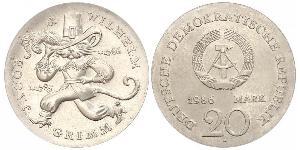
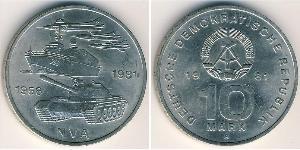
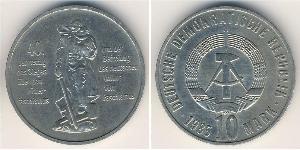
| German Democratic Republic (1949-1990) | Link to Wikipedia |
East Germany: History, Coinage and Collectibles
Historical Background
The story of the German Democratic Republic begins in the wake of a world shattered by conflict. Following the devastation of World War II, Europe was redrawn along ideological lines that fundamentally altered the economic and political landscape of Central Asia and Western regions alike. In 1949, amidst a geopolitical tension defined by competing systems, East Germany emerged as an independent state within this new order.
This era was characterized by rapid industrialization under strict socialist governance, aimed at rebuilding a nation that had been economically decimated earlier in the century. The initial priorities were not merely survival but reconstruction through heavy industry and labor-focused social policy. These economic ambitions influenced daily life for citizens across all sectors of society, from housing to consumer goods. As time progressed, particularly during the 1970s and into the late 1980s, cultural openness increased slightly despite political barriers that remained firm until reunification.
The environment was defined by isolation on one side while engaging with limited trade partners elsewhere. This context of restricted access to global markets meant that local coinage played a vital role not just as currency but often as proof of internal stability and economic planning success for the state itself. The end of this era came swiftly in 1989, when barriers fell open across borders leading eventually to unification with its western counterpart later that year.
Currency and Coinage History
The evolution of currency within this region was complex due to the presence of competing monetary zones. Initially issued as Rentenmarks or occupation currencies before stabilizing into a distinct Deutsche Mark der DDR, money issuance reflected broader economic shifts under state direction rather than market forces.
In 1948 and following years until stabilization in 1963 when inflation concerns were managed effectively through strict fiscal policy changes later on known as monetary reform efforts by authorities managing the economy. These reforms ensured that value retention remained stable enough for internal commerce to function smoothly while maintaining distinctiveness from neighboring systems.
A major turning point arrived with preparations leading up to 1990 when integration into the wider German economic zone was agreed upon between governing bodies overseeing currency conversion rates at established benchmarks which affected holdings of citizens and banks alike. Collectors today can observe these shifts in how metal content values changed over time, marking distinct periods before full merger.
Mints and Coin Production
The primary center for production remained located within the eastern sectors during most operational years when industrial capacity was fully utilized despite material constraints early on. Initially production relied heavily upon imported metals due to local scarcity affecting availability of nickel, copper alloys needed for everyday circulation pieces available since late 1940s.
Toward the closing decades quality improvements allowed mints near Berlin and smaller regional workshops within industrial zones like those found in Brandenburg regions where skilled labor met technical requirements. Artistic styles transitioned from rigid propaganda imagery to more personal artistic expression as restrictions lifted permitting artists working at design bureaus to incorporate modernist aesthetics.
Notable Coins
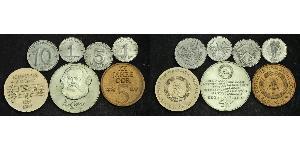
The collection of interest often includes the early denominations issued between 1950 and mid-century featuring national emblems representing unity rather than traditional symbols. A specific highlight for hobbyists remains sports commemoratives produced during Olympic cycles celebrating local achievements in athletics.
- Early Circulation Sets: The initial issues are prized due to their condition rarity as few survived intact from circulation decades ago while retaining original lustre and strike quality typical of modern minting practices.
Another category attracting attention includes the commemorative gold medals issued prior unification which represented high craftsmanship standards before budget constraints impacted production volumes later. These items often featured images related to sports or cultural achievements celebrating state successes in education, industry and athletics globally recognized through international competitions hosted within their territory.
- Sports Commemoratives: Produced during Olympic preparations specifically focusing on medal winners at major tournaments held domestically which remain highly sought after by collectors of this genre worldwide despite relatively low mintage figures historically available for public purchase programs organized officially through state channels.
Cultural Legacy
The visual language used to represent the nation shifted significantly over four decades, starting with industrial themes reflecting heavy manufacturing output in later years before moving toward cultural motifs highlighting architecture and everyday life scenes depicting workers at leisure time activities rather than factory settings. These artistic choices mirrored societal values changing alongside technological advancement occurring during this period which saw significant infrastructure development.
Symbolism became less about uniformity over rigidity by late decades where design elements incorporated broader humanistic themes reflecting growing cultural diversity and intellectual freedom that emerged gradually across Europe before political structures changed in final years. The coins themselves serve as a record of these transformations visible upon closer inspection without needing external commentary to explain their meaning or importance within numismatic circles.
For collectors
This distinct chapter offers rich historical context for enthusiasts studying how nations evolve during turbulent geopolitical periods defined by separation and eventual reunification. The scarcity inherent in many early pieces makes them valuable resources for historians as well as hobbyists seeking tangible artifacts from that specific time frame when economic pressures dictated coin production volumes often lower than western counterparts producing similar denominations with different compositions.
- Rarity Factor: Early low mintage issues are especially significant today given their age and condition requirements for survival intact since original issue dates without heavy wear or circulation damage common to older circulating items stored under less optimal conditions before modern climate control standards were adopted widely in recent decades.
The artistic transition represents an important educational case study regarding how state-sponsored art evolves from prescribed themes into more personal expression. Furthermore, understanding the minting schedules of 1989 and early years helps collectors identify genuine issues versus reproductions created later by unauthorized vendors attempting to sell replicas based on older patterns which appear similar but lack original striking weight distribution or metallurgical properties found in authentic historical samples stored privately now.
In summary, these items offer a unique window into both art history and economic planning methodologies of one nation that influenced global dynamics significantly during the Cold War period. They stand as quiet witnesses to change bridging two eras of monetary policy while preserving visual records for future generations curious about how societies transform themselves over time under changing governance models.