| View |
| preceded by | |
 Gabon (1960 - )
|
| succeeded by |
| Gabon (1960 - ) | Link to Wikipedia |
Gabon: History, Coinage and Collectibles
Welcome to a journey through the Atlantic coast of Central Africa, where history meets the equator. As we turn our gaze toward Gabon—the Gabonese Republic—we step into a land defined by coastal plains, rugged mountains like the Cristal Mountains in the center, and the vast savannas of its eastern borders. To understand this nation's monetary legacy requires peering back through layers of empire, colonization, and independence. This narrative explores how commerce, culture, and political stability have sculpted the story of Gabon from a region known for trade routes to an oil powerhouse with a rich numismatic heritage.
Historical Background
The origins of this modern state are woven deep into maritime history long before borders were drawn on maps. In 1470, Portuguese navigators arrived along the coast and applied the name Gabão, or hooded cloak, to an estuary they likened in shape to a garment made by their seafaring ancestors. The area was once inhabited primarily by Bambenga people, but over centuries, it became part of broader African migrations, notably Bantu groups moving through the region around the 14th century.
The economy and trade landscape shifted dramatically with external arrival in the late 19th century before European colonization took hold. The turning point arrived with explorer Pierre Savorgnan de Brazza in 1875, whose mission established Franceville—a town that remains a major hub today—and effectively opened Gabon to French administration by 1885. By this time, local trading networks had been disrupted by colonial rule but were being reformed around the extraction of resources like rubber and timber.
Independence arrived in 1960 following years within France's federal structure. The nation transitioned into a republic led first by Léon M'ba, then Omar Bongo Ondimba after his vice president role evolved to presidency upon M'ba’s passing. This period of state-building was critical for the country's economy; initially reliant on agriculture and rubber, Gabon gradually diversified with foreign private investment in oil becoming central to its GDP per capita statistics by 2023.
Currency and Coinage History
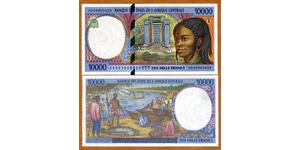
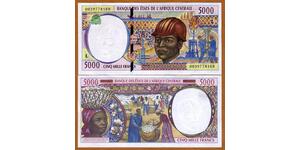
In these early decades following independence from France in August 1960, the nation adopted a currency system consistent with French Equatorial Africa. For many years of development under presidents M'ba and Bongo, Gabon utilized regional currencies established by banking federations common to other Francophone nations. Stability was paramount for an economy striving for industrial growth through petroleum resources.
The monetary history of the region is characterized by a move from localized trade tokens—often used in markets before formal statehood—to stable paper notes and metal coins backed by central banks that spanned multiple African territories. The CFA franc system provided essential stability, allowing Gabon to integrate seamlessly into international commerce without succumbing to volatile exchange rates common elsewhere on the continent during this developmental phase.
Mints and Coin Production
The production of coinage in Africa was historically centralised for a time. For decades after independence, circulating coins were produced by major mints outside the region or supplied via French banking networks. This approach ensured quality control and standardization across West African trade routes.
As Gabon's own resources—specifically its oil reserves—began defining its wealth (ranking among Sub-Saharan nations for nominal GDP per capita), coin production became a more distinct national expression rather than relying solely on colonial-era designs. The shift toward modern minting facilities and specialized workshops allowed for artistic depictions that celebrated the nation’s flora, fauna, and independence milestones.
Notable Coins
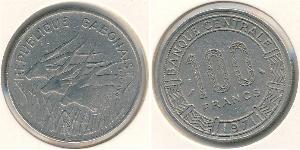
The most historically resonant issues in Gabonese numismatics were those celebrating national identity during its formative decades. One series of interest to collectors often features denominations minted following 1960 that carry designs emphasizing the equatorial nature of the land.
- Circulation Coins (Independence Era): These early issues typically bore simple, bold outlines representing national unity. For historians and numismatists, they hold value not just in metal content but as tangible artifacts marking the transition from colonial rule to self-governance.
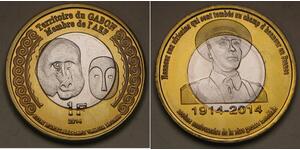
- Precious Metal Issues: Over time, Gabon issued commemorative medals and high-grade coins featuring its famous wildlife, such as gorillas or local avian species like the Mangroves which are central to coastal ecology. These pieces served diplomatic purposes during trade missions with European partners.
- Oil-Themed Commemoratives: With oil becoming dominant in exports by 2023 (and historically), coins began depicting modern energy infrastructure alongside natural landscapes, signifying the country's economic shift from rubber to fossil fuel reliance and its status as a developed economy despite high poverty levels.
Cultural Legacy
The coinage of Gabon acts as more than currency; it is a canvas for national identity. The designs consistently reflect French language heritage, Christian symbolism prevalent among the population (practised by about 80% in historical data), and Bantu traditions that constitute roughly 95% of citizens.
The evolution of these coins mirrors Gabon's economic story: moving from a plantation economy to an industrialized nation ranked highly for GDP per capita. The designs often transitioned between traditional motifs like masks or animals, which represented the "Bambenga" heritage and nature, toward modern representations of urban life in cities such as Libreville.
This artistic evolution parallels Gabon's introduction of a multi-party system in 1990s reforms. While stability under leaders like Bongo provided continuity—creating dynastic power structures that stabilized government for decades—the coinage itself remained open to new symbols, celebrating diversity and progress without focusing on internal divisions.
For collectors
The history of Gabon is written in both the soil it stands upon and the coins circulated within its borders. While circulating currency was essential for daily life at markets like those near Port-Gentil or Franceville, collector appeal lies heavily in commemorative issues from periods that marked national stability.
Gabonese numismatics offer a unique entry point into understanding how African economies navigated the transition from resource extraction to high-value GDP rankings. For collectors, these pieces represent an economy of oil and foreign investment balanced by traditional community values. The historical significance is found not just in rarity but in what they tell us about Gabon's resilience—transforming its coastal plains into a hub for global trade while maintaining distinct cultural markers.
The legacy continues today as the nation stands tall among Sub-Saharan nations, and coins remain the small yet powerful artifacts that preserve this narrative of history, commerce, and culture for future generations to examine in private collections around the world. By examining these objects through a lens of historical context rather than mere market value, we truly begin to appreciate the full scope of Gabon's journey from its Portuguese naming origins to modern independence.