| View |
| preceded by | ||||
|
||||

|
|||||||
 French Third Republic (1870-1940)
|
|||||||

| succeeded by | ||||
|

| French Third Republic (1870-1940) | Link to Wikipedia |
FRENCH THIRD REPUBLIC: History, Coinage and Collectibles
Welcome all who seek a deeper understanding of metal artifacts from one of France's most defining democratic periods.
Our journey begins with the story of how democracy shaped currency during a turbulent era in European history. We will explore the evolution of monetary symbols that represent liberty and stability over decades of change, offering insight for every serious collector seeking to understand not just what is held in hand but what stands behind it.
Historical Background
The nation known as France faced a profound transformation following the Franco-Prussian War. In 1870, the long-standing monarchy of Napoleon III was dismantled after a significant military defeat and subsequent internal political shifts leading to the Second Empire's fall. This era marked the birth of the French Third Republic. The new government sought to define itself not by the lineage of emperors but through shared civic values.
This period defined modern democracy in France, creating an environment ripe for industrial growth and expanding colonial trade networks that reached far beyond Europe. As commerce expanded so too did international relations requiring a unified currency system across borders. The government needed money to support this burgeoning economy while establishing trust among citizens who were now living under the principles of liberty rather than royal decree.
Culture flourished in cities, literature boomed and artistic styles like impressionism began to take form within salons where political debates often mirrored cultural shifts visible on public buildings. It was a time when national unity took precedence over regional or dynastic loyalties. This sentiment found its way into the nation's most tangible artifacts: coins. They became physical manifestations of this new society that sought independence from imperial pasts to build something enduring.
Currency and Coinage History
The monetary system inherited significant legacy structures but adapted to republican ideals quickly following 1870. The gold standard remained essential for large value transactions while silver coins served as the backbone of daily commerce across France's expanding territories. In these formative years, mint directors faced challenges balancing artistic tradition with political necessity.
Silver denominations became particularly popular during this transition period because their weight represented tangible worth without relying on purely nominal government credit initially issued earlier in Europe’s age. The silver currency maintained high intrinsic value which allowed for widespread acceptance across different trading partners. This stability was achieved through careful management of reserves and strict adherence to international standards established since the mid-nineteenth century.
During later years within this era, copper-based denominations were introduced or updated regularly to facilitate small transactions requiring lower face values but maintaining consistent designs for recognition purposes among merchants traveling between cities. This evolution reflects how governments attempted modernize their economies without abandoning proven systems that served the merchant class effectively throughout industrial expansion.
Mints and Coin Production
The Monnaie de Paris stood at the center of this operation, acting as a guardian ensuring consistency across all denominations issued during these decades. As technology advanced so did engraving techniques allowing for finer details that distinguished official issues from counterfeits circulating in major ports like Le Havre or Marseille where foreign merchants engaged actively.
Sculptors commissioned specifically to create designs depicting allegorical figures rather than portraits of individual rulers became common during this timeframe. These works incorporated motifs derived directly from French artistic heritage such as the Gallic rooster symbolizing vigilance, liberty and national pride that resonated deeply with citizens viewing their own currency daily.
The production centers adapted to industrial advancements by mechanizing certain pressing processes yet retaining skilled artisans for final polishing steps essential before release into circulation. This hybrid approach preserved craftsmanship while meeting increased demand caused both domestic use needs as well export trade requirements during times when French industry began competing aggressively against British and German competitors globally.
Notable Coins
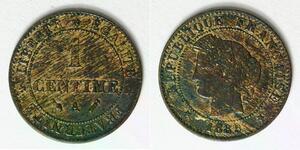
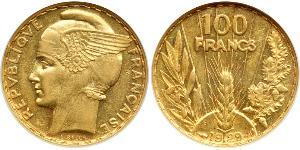
Among the most sought after pieces for those collecting from this era are gold coins carrying designs that transitioned between imperial styles to republican symbols. One example features a head of Liberty encircled by oak and olive leaves, representing peace rather than martial triumph seen during wartime periods before it began later in history. These were typically minted primarily at Paris but sometimes struck elsewhere under special arrangements due to war needs.
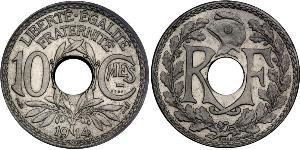
Silver pieces carry equal significance historically because their designs reflect changing tastes from late nineteenth century until early twentieth century when nickel alternatives slowly emerged for smaller denominations only after the First World War began later in this timeline. Collectors often favor examples bearing mint marks indicating strikes made at different branches across regions where quality control was sometimes debated among experts regarding proofing standards applied specifically.
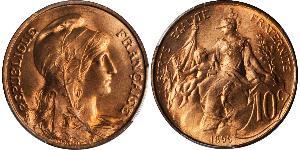
Certain copper pieces feature designs showing allegorical figures walking with symbols representing agriculture or commerce, reflecting government priorities during reconstruction efforts following conflicts that shook society deeply before the turn of century. These smaller denominations circulated widely within markets across cities while often featuring varied edge types depending on production years available at various time periods relevant to catalogues today.
Cultural Legacy
The coinage of this nation mirrors its transition from an authoritarian past into a modern democratic future through imagery that speaks directly to citizens holding them. The choice to depict abstract symbols like liberty or republic rather than royal profiles signaled a desire for unity among populations divided by class and region before 1870.
- The consistent use of the Murex shell motif on smaller copper denominations represented durability protecting currency value against inflation fears common during industrialization.
- The recurring themes in gold medals often celebrated scientific achievement or cultural heritage rather than conquest or dynasty which helped shape modern educational ideals within schools across territory boundaries.
This legacy continues to resonate because these coins served as everyday objects used for purchasing goods from local bakers or street vendors where they functioned practically yet bore profound meaning. They acted as portable history allowing individuals who lived through major social upheavals touch artifacts that validated their citizenship in a new republic.
For collectors
This era offers a unique opportunity to acquire specimens representing a crucial bridge between monarchist coinage traditions and later modern designs found throughout the twentieth century. By examining these pieces, you will encounter tangible evidence of France's shift toward democracy during an age where trade networks expanded rapidly across oceans connecting Europe directly with African territories under administration.
The value in such collections lies not only aesthetic beauty but historical context preserved on metal surfaces allowing future generations to understand how society evolved through design changes over decades. For auction buyers seeking pieces from this timeframe, understanding the shift toward republican iconography provides critical insight needed before making investment decisions regarding preservation quality or authenticity verification required today.
Ultimately these coins serve as silent witnesses to a period that defined modern French national identity continuing influence seen throughout subsequent periods of world history affecting global trade patterns significantly even after independence movements began later in mid twentieth century decades. Their enduring appeal remains strong because they represent freedom embodied physically on every strike made under supervision.