| View |

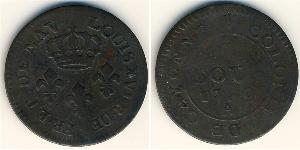
| French Guiana | Link to Wikipedia |
French Guiana: History, Coinage and Collectibles
Welcome to a journey through the history of French Guiana, often called Guyane. From this vast expanse on South America's northern coast stands out as one unique feature in numismatic geography: it is an overseas department and region of France. This distinction makes its monetary identity fascinating for collectors. It does not possess a national currency system independent from the French Republic but rather shares the economic destiny with metropolitan France.
The story of this territory's coinage tells a tale that transcends borders, weaving together European ambition, colonial trade, penal administration, and modern integration into the global economy. For those who collect history in metal, French Guiana offers insights not merely through its own distinct mints—which are non-existent due to being part of France—but rather through how it utilized Parisian mintage and later European euro coins.
Historical Background
The origins of the region lie deep within centuries-old currents of colonialism and trade. When explorers from the Caribbean first sighted this strip of land along the Atlantic Ocean, they sought to establish a foothold in the Americas similar to other French possessions like Martinique or Guadeloupe. However, unlike its neighboring colonies that would eventually become independent nations—such as Suriname (formerly Dutch) and Guyana (formerly British)—French Guiana remained an integral part of France.
The region was initially inhabited by Indigenous groups such as the Kalina and Lokono. The French attempts to colonize began early, with settlement efforts dating back to 1503, though a durable presence emerged only after Cayenne was founded in 1643. During this era of colonization, trade was driven largely by agriculture—sugar plantations—and human trafficking.
The economic engine shifted dramatically during the late 18th century with abolition movements and political changes back home. Following the French Revolution and debates regarding slavery within France's empire, a decree issued in February 1794 led to its implementation in certain colonies including Saint-Domingue and French Guiana. This period marked complex legal transformations that would reverberate through the region for decades.
The territory was further shaped by tragedy during the Napoleonic era. The infamous penal colony known as Devil's Island emerged, where convicts from mainland France were transported to serve hard labor on this unforgiving stretch of land and nearby islands. This dark chapter highlights a period when human beings became commodities in an economic system reliant on forced servitude.
The 20th century brought significant political change for the area. During World War II, French Guiana's allegiance shifted as it rallied to Free France in March 1943 before officially becoming a department once again upon Liberation. The path toward integration was not linear; there were disputes with neighboring Brazil and shifting territorial claims that tested European sovereignty.
Currency and Coinage History
In the world of numismatics, French Guiana presents an interesting case study in how money evolved as a region became fully integrated into another sovereign state. For much of its history from 1946 onward, there was no independent local coin production separate from France.
The transition away from currency independence occurred gradually alongside the political status changes that began with departmentalization laws passed after World War II. French Guiana officially became a full part of Metropolitan France in March 1946 by law. Consequently, it adopted the national legal tender of France: first the franc system (divisible into centimes) and later, more recently, euro coins.
This adoption meant that for collectors interested in local history during colonial times or pre-annexation periods under different flags—like Spanish Guiana to the north—they would not find native production from here. French coinage stamped with "Guyane" on banknotes (post-WWII) is common enough, but these were produced by central printing facilities.
The currency history reflects a story of unification rather than separation. The introduction of paper money featuring local scenes and symbols helped promote regional pride without necessitating independent minting operations at the colonial level. When France transitioned to decimalized currency systems in later centuries, French Guiana simply followed suit seamlessly as an inseparable extension of Parisian administration.
Mints and Coin Production
Intriguingly for collectors expecting local mints or distinct production centers—none exist within the borders today. All coins used were minted at national facilities like Pessac near Bordeaux, Lyon in France's heartland. This centralization meant that coinage circulated here bore French designs and inscriptions.
The most significant modern numismatic milestone came during European integration when eurozone membership expanded to include former overseas territories of France starting from early 2002 onwards. As with other member states, standard euros were adopted as the sole legal tender.
This absence of local production might seem anticlimactic at first glance but represents a unique historical trajectory where regional governance merged completely into national structures. Unlike neighboring Portuguese colonies that became independent nations like Portugal's Amapá or Brazil (Portuguese Guiana), French Guiana stayed within the Republic entirely, avoiding any need for distinct sovereign coinage programs during times of colonial expansion.
The modern collection focus thus turns to banknotes produced with local themes and commemorative medals issued specifically by various institutions linked locally rather than traditional state mints which don't exist in Guyane's own context yet still produce regional souvenirs that may interest specialized collectors seeking unique geographical connections to their territories outside Europe proper.
Notable Coins
The history of French Guiana does not yield a treasure trove of rare gold sovereigns or silver trade coins produced locally over centuries. Its narrative exists largely within the realm of paper currency and European integration milestones.
French Franc Banknotes from 1946 to Euro:
- Historical Context: These notes were introduced during the post-WWII reorganization when French Guiana became a department rather than overseas colony. They reflected new administrative identities while maintaining central government authority.
- Design Features: Local scenes and landscapes depicted on these bills often highlighted key locations like Cayenne or referenced significant historical events related to the region's penal past, indigenous heritage (e.g., Kanak masks), space exploration themes linked with Guiana Space Centre proximity, and botanical motifs from its rainforests.
- Collectibility: Collectors appreciate them as part of a broader European franc series but often seek specific editions that highlight the territory's unique geography before integration into the Eurozone. Variations in banknote designs mark different eras or political contexts within French Guiana history relevant to collectors interested in regional representation during late republic governance.
Euro Coins with "€" on one side and specific national sides:
- Historical Context: Euro circulation began officially when this area joined the European Monetary Union following France's adoption in 1999. These represent the culmination of centuries where sovereignty over trade shifted toward continental integration.
- Design Features: While standard designs shared across member states apply, some special commemorative euro coinages minted elsewhere featured motifs representing regional culture—perhaps linked with space programs run there now as ESA launch site under French direction. This offers rare opportunities for collectors of themed issues.
- Importance to Collectors: For numismatists valuing themes related to technology or international cooperation, these coins serve symbols connecting distant colonies back home with European progress achievements achieved in their overseas departmental context over centuries prior before joining monetary union today. These thematic commemorative releases hold special appeal beyond standard euro denominations.
Space-themed Commemoratives:
- Historical Context: The Guiana Space Centre is a vital European launch facility located here, attracting global scientific attention. Various thematic medals have been produced celebrating these achievements locally rather than at Parisian level.
- Design Features: Such items often feature rockets taking off into equatorial skies or satellites orbiting Earth with inscriptions connecting France's overseas territory back home to its national identity via space mission success stories originating there under French administration oversight for decades now globally recognized as such institutions internationally celebrated worldwide by enthusiasts who appreciate modern era scientific history alongside traditional monetary collecting interests.
- Importance: These serve as contemporary numismatic artifacts representing how a former penal colony has transformed into beacon center of technological progress. They bridge gaps between classic currency collections and new thematic releases appealing toward both older collectors interested in historical context plus younger ones drawn by tech-related themes.
Cultural Legacy
The legacy left on French Guiana's coinage reflects its complex cultural tapestry—a blend of European heritage, African influences from slavery history through abolition movements earlier periods mentioned here before modern integration into EU framework. Even though standard designs used for local production came directly from Paris or other central locations elsewhere across Europe continent itself (excluding mainland states), banknotes often bore imagery celebrating indigenous peoples residing today there along river systems originating inland reaching Caribbean coastlines where capital city stands currently inhabited by thousands.
The region's rich biodiversity—covering nearly 98% of land area with forests mostly rainforest primeval ones preserved in vast Guiana Amazonian Park (largest national park within EU boundaries)—often finds representation on various commemorative pieces celebrating conservation efforts. These serve educational purposes informing younger generations about ecological preservation alongside traditional historical narratives found elsewhere historically among colonial powers past before independence movements across Americas continent led many nations to leave imperial structures behind over time.
The presence of Guiana Space Centre serves not only as scientific facility but also economic anchor stimulating local businesses dependent upon jobs tied directly into this center's operations. Coins depicting rocket launches or astronaut training exercises celebrate technological milestones achieved under French administration in centuries-long timeline leading up until today when it stands as primary launch site globally recognized universally now contributing significantly towards humanity's exploration endeavors beyond Earth atmosphere.
For Collectors
French Guiana may not offer classic silver sovereigns or gold coins of old but provides a unique window into how regions evolve within empires transitioning from colonial possessions to departments then finally overseas collectivities under EU membership status before becoming part of eurozone itself. Its monetary history is less about independence and more about integration.
The true appeal lies in its banknotes reflecting local pride, space mission commemoratives highlighting technological achievements tied to ESA programs run there currently worldwide celebrated among enthusiasts globally interested both historical narrative surrounding how former penal colonies became centers for exploration efforts launched here decades ago onwards. For those seeking connections between Europe and Americas continents via currency artifacts linking these distant places together historically under shared sovereignty framework spanning hundreds years past until today's global era where science drives economies more than ever before making collecting space-themed memorabilia alongside standard euro series relevant both aesthetically narratively.
The legacy remains vibrant through banknotes bearing scenes of Cayenne, landscapes depicting rainforests preserved within Guiana Amazonian Park protecting ecosystems worldwide admired internationally now. This makes French Guiana a fascinating case study in how colonies evolved differently than their peers who became independent states elsewhere across Americas region nearby Suriname bordering Brazil westward along Atlantic Ocean coastlines facing Caribbean Sea waters beyond.
This unique historical trajectory ensures that while its coins lack local production, they are highly valued within collector circles interested in themes of integration, space exploration history, regional biodiversity conservation efforts celebrated through currency imagery globally recognized now as vital resources sustaining ecosystems worldwide admired internationally today. For those seeking a connection between continents via numismatics linking Europe and Americas under shared sovereignty framework spanning centuries past until current global era driven by science economics more than ever before making collecting space-themed memorabilia alongside standard euro series relevant both aesthetically narratively culturally historically.