| preceded by | ||||
|
||||

|
|||||||
 French Fifth Republic (1958 - )
|
|||||||

| succeeded by |
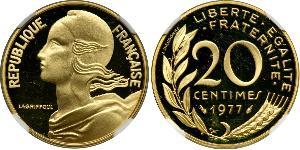


| French Fifth Republic (1958 - ) | Link to Wikipedia |
French Fifth Republic: History, Coinage and Collectibles
Welcome to a curated journey through one of the most significant modern monetary entities in history. The French Fifth Republic represents not only a pivotal era for European governance but also serves as a fascinating case study for numismatists regarding economic stability, artistic expression on currency, and the evolution of trust between state and citizen. This exhibit explores how this enduring political structure shaped the design standards that are cherished today by collectors around the globe.
Historical Background
To understand the value carried in French coinage from 1958 to present, one must first appreciate the profound historical landscape of modern France. Following years of global conflict and reconstruction after World War II, a new constitutional framework was established with President Charles de Gaulle leading its inception. This era marked a shift toward economic independence for Europe as well as internal political consolidation. The stability achieved during this period fostered an environment where trade flourished and domestic commerce required reliable instruments of exchange.
The country experienced substantial industrial growth, transforming from a recovering post-war nation into a major global economy by the late 20th century. This economic maturation allowed for significant state investment in technology and cultural preservation that would later influence numismatic programs deeply. The social changes occurring during this timeframe—such as movements towards secularism (laicization) and shifts in labor relations—are often subtly reflected on currency designs rather than through explicit political declarations, ensuring stability within the coinage system itself.
The economic architecture of the time favored fixed exchange rates initially before transitioning toward greater flexibility to align with Western European standards. This history is crucial for collectors because it explains why so many French coins from this period feature intricate details and protective borders: they were minted in a climate demanding precision and high quality, ensuring the money held its value across international trade agreements.
Currency and Coinage History
The monetary evolution of France during this era provides essential context for understanding how modern currencies are issued. When collectors look at French coinage spanning 1960 through 1999, they witness the final chapter of a national currency known as the Franc (le franc). This was not merely an economic tool but a tangible symbol of state sovereignty and identity.
The central bank policies evolved to reflect global shifts in monetary unions. As France moved toward participating more actively in European integration mechanisms during the 1980s, the design on circulating coinage underwent changes that mirrored these geopolitical realignments without losing their distinct national character. The transition from metallic Franc coins to Euro currency in 2002 is a major historical marker for this specific state entity.
This period of monetary reform required careful coordination between national banks and European partners, influencing production speeds and minting locations significantly. Understanding these reforms helps explain why high-grade examples are sought after: they represent the physical history of the nation's integration into the wider Eurozone economy while maintaining their local artistic identity before that transition.
Mints and Coin Production
The Monnaie de Paris, or French Mint, has served as a production center for centuries but underwent modernization during this specific regime. The facility incorporated new technologies such as high-pressure die striking to achieve sharper relief details on gold and silver bullion issues authorized by the state.
- Cultural Artistry: Designs were frequently opened to competition, ensuring a blend of traditional French aesthetics with modern artistic trends. This approach allowed for varied depictions ranging from classical sculpture styles to contemporary photography techniques on coinage surfaces.
Minting traditions in this period emphasized security features and anti-counterfeiting measures developed during the 1980s, influencing how coins were manufactured globally by other sovereign mints as well. Production centers expanded slightly outside Paris due to demand for circulation needs, but artistic oversight remained centralized within France.
Notable Coins
The history of French Fifth Republic coinage is best understood through a few representative types that have captivated collectors:
- Circulating Franc Coin Types (1960s-80s):
During the 5th Republic, standard circulation pieces like the one franc and five-franc coins served daily commerce. Collectors appreciate these for their artistic merit rather than rarity. These pieces often featured depictions of national symbols such as landmarks or historical figures that represented a unified cultural heritage.
- Euro Transition Commemoratives (1995-2002):
The final years before the Euro were filled with special 1, 2, and 5 Franc commemorative issues that celebrated events of significance to this state. These designs served as a prelude to their replacement by coins bearing European union symbols on one side while preserving French themes like maps or famous statues.
- Bullion Rounds (Post-2001):
After the Euro was established, France began issuing bullion rounds of gold and silver. These pieces are highly valued for their artistic designs by sculptors commissioned to create high-relief work that honors French heritage while adhering to international bullion specifications.
Cultural Legacy
The coinage produced during this political entity's lifetime serves as a physical archive of the nation's identity. The recurring use of specific artistic motifs reflects broader cultural priorities such as liberty, reason, and civic virtue that define modern French society. Even after currency was adopted by the European Union, France retained elements on commemorative issues—such as maps indicating its border—that distinguish these coins from their peers across other member states.
The religious context changed over time, moving toward a strictly secular presentation of state symbols to align with constitutional principles while honoring historical cultural roots. This legacy demonstrates how art was used by the government to educate citizens about history and current events without resorting to partisan messaging that could disrupt economic stability.
For Collectors
The numismatic significance of French Fifth Republic coinage endures today as a testament to statecraft, artistic evolution, and monetary reform. While many circulated Euro pieces are common in bulk quantities for casual spenders, collectors find value in high-grade examples from the Franc era and limited bullion issues authorized by this government framework.
The historical importance of these items extends beyond simple market fluctuation; they offer a tangible connection to the economic resilience required to build modern Europe. Whether seeking silver rounds minted after 2015 for investment purposes or studying high-grade circulating pieces that document artistic design trends from de Gaulle's time onward, there is educational depth in every piece found.
This state entity remains important because it offers a bridge between traditional French coinage and the modern Eurozone currency. Understanding this history allows enthusiasts to identify authentic specimens while appreciating how cultural identity survives even as monetary systems change dramatically over decades of economic progress.