| View |
| preceded by | |
 Fiji (1970 - )
|
| succeeded by |
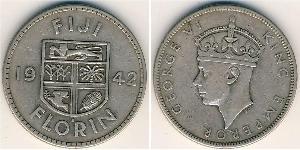
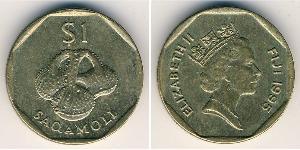
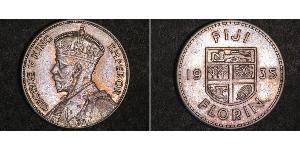
| Fiji (1970 - ) | Link to Wikipedia |
Fiji: History, Coinage and Collectibles
Historical Background
The islands of Fiji have long captivated explorers, missionaries, and merchants seeking wealth in the South Pacific. While ancient Fijian civilization was built on a foundation of intricate social hierarchies led by chiefs and spiritual bete, its interaction with the wider world began dramatically only after European arrival. Early encounters were often steeped in misunderstanding; Captain Cook encountered peoples living within an empire that spanned from Samoa to Tonga, though they did not understand their place within it until later centuries.
The economic shift occurred steadily through the 19th century as planters sought sugar and copra on a vast scale. By this time, Fiji transitioned into British territory in earnest following formal annexation arrangements by Britain. This colonial era was transformative; traditional trade networks involving tambua (sperm whale teeth) were eclipsed by the introduction of paper money and metal currency issued from London.
The path to modern sovereignty involved a struggle between local political movements and external imperial influence, culminating in independence around 1970. However, for collectors today, the focus is often less on recent democratic shifts and more upon how these historical transitions left physical traces in copper-nickel alloy coins and gold proof sets minted during the Commonwealth era.
Currency and Coinage History
The evolution of money in Fiji mirrors its political journey. Initially, trade was conducted using shells from the South Sea and tambua, but these barter systems could not sustain a booming sugar economy or support visitors like Captain Cook's expeditions. Consequently, the British introduced coinage that linked the islands to global markets.
Fiji initially adopted currencies similar to those in other Pacific territories—British shillings and dollars were widely used throughout the archipelago before Fiji established its own distinct monetary identity with the introduction of a decimal currency system following independence. The first issue of the Fijian dollar was pegged at par with the New Zealand dollar, cementing economic stability between neighbors like Australia and New Zealand.
This period marked a shift from heavy reliance on gold coins to silver issues circulating locally until eventually being superseded by nickel-alloy denominations designed for everyday commerce. As Fiji gained its sovereignty in 1970, the coinage underwent significant changes: effigies of British monarchs gave way to those representing independence leaders and symbols specific to Fijian identity.
Mints and Coin Production
The physical minting location for early issues was typically the Royal Mint in London. Even after local presses were set up later in history, design authority often remained tied closely to British standards of artistry during colonial times. However, as political ties evolved toward self-governance, production moved closer to regional hubs.
Minting traditions focused on creating durable currency that reflected the beauty and ruggedness of Pacific life—using motifs such as coconut palms or volcanic landscapes common in island iconography. Later designs often featured wildlife native to Melanesia rather than European heraldry found elsewhere in Commonwealth coinage, distinguishing Fiji from neighbors like Australia.
Notable Coins
Among the most sought-after items for enthusiasts are coins depicting Queen Elizabeth II alongside Fijian landscapes. These early issues serve as a window into how colonial administrations viewed their island territories—often framing them through images of fertile soil, sugarcane fields, and wildlife like the red crab or flying fox.
Coinage issued immediately after independence in 1970 was significant for its departure from British design. The transition to depicting indigenous Fijian culture meant that later coins showcased village architecture such as bure, traditional sailing vessels called drua, and even images of the capital city's modern skyline emerging alongside natural scenery.
The 1987 period saw a unique artistic turn due to changes in national identity after the formation of the Republic. While some numismatists argue that these marks are stylistically less complex than earlier colonial issues—featuring simpler geometric patterns and bold lines—the historical context behind them remains fascinating for those tracking how Fiji's visual language matured into its modern form.
Later years produced commemorative gold coins celebrating independence anniversaries, marking milestones with precise detailing that showcased high artistic quality often reserved for rare investment-grade bullion. These pieces remain highly desirable today because they represent a moment where the nation fully embraced itself as an independent sovereign state within global trade networks without relying on foreign designs.
Cultural Legacy
The story told in metal is deeply embedded with themes from Fijian mythology and daily life. Coins often celebrate local industries—sugar, tourism, and fishing—as well as natural wonders like geothermal vents or coral reefs that define the geography of Viti Levu and Vanua Levu.
Symbols such as the Malo (traditional kilt) worn by male islanders during ceremonial rites frequently appear on denominations meant for public use. These designs were not chosen merely because they existed visually, but to honor traditions passed down since pre-contact times when yakona, clubs, and pottery art defined cultural life.
The shift away from European-centric imagery represented a growing pride in local heritage that collectors today can appreciate as evidence of the islands' desire for recognition on the world stage. Every reverse side of these coins acts as an artifact telling stories about how people interacted with nature—from volcanic activity to lush forests—capturing centuries of connection between humanity and environment.
For Collectors
Fiji offers a wealth of opportunity for collectors interested in the intersection of art history, numismatics, and Pacific culture. Whether one seeks early British-era shillings bearing faint traces of tropical landscapes or modern coins with bold geometric designs celebrating native wildlife, there is something unique to be found within this collection theme.
Rarity can play a role depending on circulation patterns; pre-independence issues tend to command higher attention from serious numismatists due to their age and historical context. Additionally, proof sets issued during significant anniversaries often feature enhanced surfaces that preserve fine details over decades.