| View |
| preceded by | |
 Federated States of Micronesia (1986 - )
|
| succeeded by |
| Federated States of Micronesia (1986 - ) | Link to Wikipedia |
Federated States of Micronesia: History, Coinage and Collectibles
Welcome to a collection that tells the story of an archipelago scattered across nearly 3 million square kilometers of the Pacific Ocean. The Federated States of Micronesia occupies a unique space in history—far north of Australia and stretching over almost three thousand miles east-west—a distance defined as much by sea voyages as it was ever represented on bank ledgers or numismatic metal.
This article is not merely about catalogues; rather, we invite you to trace the monetary threads that have woven through the history of a small island nation. From ancient trade networks in Nan Madol to modern minting practices reflecting Pacific isolationism and international alliances, our coins offer a physical narrative of sovereignty.
Historical Background
The ancestors who settled this region four thousand years ago did so as seafarers navigating the vast blue. For nearly two millennia, they developed decentralized economic systems based on chieftainships and ceremonial exchanges centered on Yap Island, far from a centralized monetary state.
This changed dramatically with European contact in the 16th century. Spain's claim was formalized by the Treaty of Tordesillas before being ceded to Germany in the late nineteenth century following their defeat in the Spanish-American War. This transition is reflected in history, though not immediately on a sovereign coinage scale.
The most significant colonial impact occurred during World War I when Japan administered these islands under South Seas Mandate rule. By 1942, Imperial Japanese forces had firmly established control over key lagoon bases like Truk Lagoon (Chuuk). This era is crucial for our collectors: many early coinage pieces from this region were actually minted in the Tokyo Mint and circulated locally as part of broader Asian occupation currency before U.S. intervention reshaped the geopolitical map.
After World War II, under United Nations trusteeship arrangements with American administration, the islands evolved into a sovereign state after independence was formally concluded by 1986. The political compact established deep ties to the United States of America, defining their international relations and defense security within this strategic sphere in Melanesia.
Currency and Coinage History
The monetary evolution of these islands is a fascinating study of scarcity versus abundance. Unlike larger nations with complex banking histories, early commerce here relied heavily on barter systems and currency imported from neighbors like Guam or Palau under their own compact arrangements.
For decades following the establishment of independence in 1978/1986, there was no distinct circulating coinage issued by the Federated States themselves for general trade. Instead, they utilized United States dollars alongside currency notes from the region to facilitate daily commerce and international trade with over fifty partner nations.
This reliance on foreign minting means that while "circulating" coins in your hand are often American-made denominations stamped locally or printed by neighbors, numismatic collectors look for distinct commemorative issues. The transition began to solidify as the nation sought to fund national projects and celebrate its status within international bodies like the United Nations.
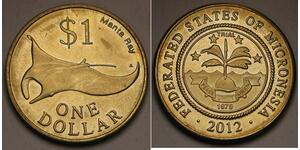
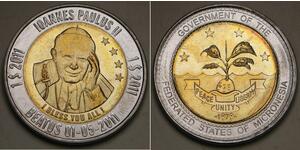
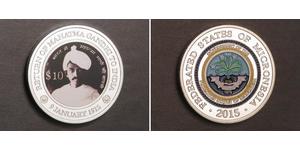
The most significant shift occurred when modern bullion sets were released to mark anniversaries of independence or cultural milestones. These releases, often minted in standard US denominations but featuring local artistry on silver and gold compositions, represent a high-water mark for collectors seeking authentic Micronesian representation outside the realm of standard currency.
Mints and Coin Production
This section addresses where these pieces were made. For early periods involving German or Japanese administration (pre-1945), production was centralized in major facilities like Berlin, Manila, and later Tokyo Mint for Pacific mandates.
In the modern era of independence, there has been no dedicated sovereign mint on Micronesian soil. The numismatic community utilizes high-tech coinage processes typically aligned with the standards set by their Compact partners or through private fabrication houses in Guam who specialize in regional designs. Modern issues feature intricate reliefs depicting traditional laptap baskets and marine life.
The production centers often leverage specialized facilities that allow for detailed craftsmanship, necessary to portray cultural elements such as ancient rock carvings from Pohnpei's UNESCO World Heritage sites like Nan Madol or the delicate shells of giant Pacific Hawksbill turtles. The artistic characteristics are a blend of traditional island motifs with modern engraving techniques.
Notable Coins
In numismatics, value is often found where history and art intersect for rare pieces from specific regions such as Tokelau or Palau, but Micronesian coins have their own niche in collector circles through distinct thematic series. Let us examine a few significant types:
- The Nan Madol Commemorative Series
- The Pacific Turtles Silver Proof
- The Compact Anniversary Silver Set
- The Yap Stone Money Replica
This coinage pays homage to the "Venice of the Pacific," located on Pohnpei Island where volcanic rock was used for massive canals and dwellings from roughly AD 500 until their collapse around 1500. The designs often showcase these artificial islands linked by waterways, a unique architectural feat that is rare in global numismatics.
A highly sought-after set celebrating the local ecosystem and conservation efforts. These coins feature high-relief art depicting ancient sea turtles swimming alongside modern motifs of fishing canoes, representing a deep cultural connection to marine life that defines the islands.
Minted to mark significant dates in international law and independence. These pieces often highlight the relationship with neighbors like Palau or Marshall Islands while celebrating sovereign status, usually featuring artistic renderings of national flags against a backdrop of starry Pacific skies.
A fascinating piece representing historical exchange methods rather than standard currency. The stone money concept was vital in early chieftain-based systems and is represented as an artistic representation on modern collector items, highlighting the ancient roots of their economy.
Cultural Legacy
The coinage reflects more than just metal and art; it embodies a culture centered on connection. You can see this in how symbols like the national flag often appear alongside traditional motifs that connect to history, religion, or even ancient astronomy charts.
In international politics, these island states have always voted with their larger neighbors within organizations such as UNESCO World Heritage lists and Pacific Community memberships since 1983. This cultural legacy is visible in designs honoring heritage—such as the ceremonial stone discs of Yap that predated modern metal currency by millennia—a reminder that wealth here has long been measured differently than in continental economies.
For Collectors
Why hold these pieces today? The value for collectors comes from their distinct identity. While they use standard United States dollars, the issuance of high-quality silver and gold bullion sets allows them to tell a specific story about Micronesian history without needing vast mintage volumes.
- Rarity through Scarcity: The early occupation era tokens from Japanese administration can be highly valuable if found in uncirculated condition, representing the brief but intense period of WWII expansion and retreat.
The modern coinage is significant because it often features unique artwork by local artists rather than standard generic designs. As a sovereign entity recognized since November 3, 1986, these coins stand as small physical tokens from an island nation that spans almost three thousand miles of longitude.
- Investment in Storytelling: Each piece is designed to educate the world about Pacific traditions. Collectors are acquiring history—specifically the history of a culture whose maritime boundaries stretch over 1 million square kilometers, offering immense historical potential for future generations of researchers and art lovers alike.
To hold these coins is to carry with you pieces of an ancient civilization's story that survived wars and colonization. They are not merely currency but artifacts from the Federated States of Micronesia—a unique collection in any numismatic portfolio, representing a world where history was once written on stones in volcanic canals before being recorded on metal by today.