| View |
| preceded by | |
| Dominican Republic |
| succeeded by |
| Dominican Republic | Link to Wikipedia |
Dominican Republic: History, Coinage and Collectibles
Sitting on the eastern half of Hispaniola, a land shared by two sovereign states, lies the Dominican Republic—a nation whose very existence has been forged in the fire of independence movements and trade rivalry for centuries. For the collector standing before these metal disks, they are not merely currency; they are tangible fragments of a struggle to define sovereignty on a Caribbean island contested empires. From the silver bits minted by Spanish explorers to the gold commemorative issues celebrating modern national identity, this collection serves as an economic history lesson. It tells the story of how an agricultural society built on sugar and coffee evolved into one of the Western Hemisphere’s most resilient economies.
Historical Background
The narrative begins before Christopher Columbus touched shore in 1492, when hunter-gatherers like the Taíno were already taming the Caribbean. These indigenous people named their land Quisqueya or Ayiti—"Mother of Lands"—a concept that deeply influenced national sentiment later on. When the Spanish arrived, they established Santo Domingo as a vital port for trade between Europe and the Americas. The island was divided into chiefdoms before European conquest, but within decades, it became one of Spain’s most wealthy colonies by Caribbean standards in terms of volume, though distinctively poorer per capita than its neighbor Saint-Domingue (modern-day Haiti).
The path from colony to nation state began in 1821 when Dominicans declared independence. This was a fleeting moment before Haiti’s occupation of the eastern part of Hispaniola lasted for two decades until victory was finally secured during the Restoration War starting in 1863. A permanent sovereign state required not just political borders but an economic identity. The country needed its own currency, distinct from Spanish pesetas or Haitian gourdes to prove it could stand alone on the global stage.
Currency and Coinage History
The currency system initially mirrored Spanish standards because trade required familiarity; however, as time moved on so did designs and denominations. The silver dollar remained king in commerce throughout this period but faced challenges in maintaining value due to fluctuating metal prices. In the 20th century, a major shift occurred when the country aligned itself with international monetary systems that favored decimal currency. However, numismatists of note understand that these were often "token" coins meant for local circulation rather than reserves.
Mints and Coin Production
Santo Domingo has long served as the primary production hub for Dominican coinage. Unlike modern industrial giants with automated presses, early mints relied on skilled artisans who could work both hand-made dies and steam technology to create detailed engravings reflecting European tastes adapted for a local audience.
- The Spanish Style: Early colonial issues often feature heavy relief styles typical of late Baroque or Empire period minting found in Spain, emphasizing intricate laurel wreaths and complex allegorical figures representing commerce or agriculture. These are highly prized by collectors for their detail.
Mint output often fluctuated based on global metal prices and local political stability. The 19th century saw many different denominations, mostly copper or nickel, designed simply because they had been in circulation locally before the first minting presses arrived officially for the sovereign nation. These early pieces represent a transition from colonial commerce to independent trade.
Notable Coins
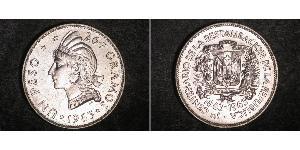
- TheSilver Independence 1944 Half Dollar: This coin commemorated the centennial of independence. The design features a bust on one side and allegorical figures representing agriculture on the other, symbolizing the nation's reliance on farming exports like sugar and coffee.
The Florin Series: While not as famous as the US Gold Eagle or British Crown, Dominican florins were circulated widely during specific eras. These silver issues reflect a period where currency was pegged closely to bullion standards before shifting toward fiat monetary structures in modern times.
Cultural Legacy
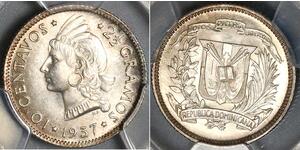
Coin designs often feature the national flag or symbols associated with independence heroes. The floral motifs chosen—such as the Flor de Mayo (May Flower)—are not arbitrary; they represent resilience, beauty, and the agricultural wealth that sustained families in rural areas for centuries.
- Religious imagery: Early coins often show St Dominic or religious crosses due to Spanish influence.
For Collectors
- Diversification: Unlike many Caribbean nations focused solely on tourism exports today, history shows this economy has roots in mining and manufacturing (gold production mentioned historically supports modern industrial coinage themes).
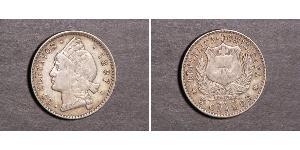
A well-rounded collection from the Dominican Republic tells a story of independence through the lens of economics. Every piece represents an era: the silver peso that funded sugar plantations during Spanish rule; the copper coins used by local farmers in Santo Domingo markets after 1845; and later modern issues reflecting tourism booms.
In conclusion, these artifacts offer access to an economy that was once entirely dependent upon trade routes connecting Europe with the Americas. Whether it is heavy silver pieces from early independence or light copper issues for daily commerce in port cities like Santo Domingo, each coin offers a unique perspective into how this Caribbean nation evolved politically and economically.