| View |
| preceded by | |
 Dominica (1978 - )
|
| succeeded by |
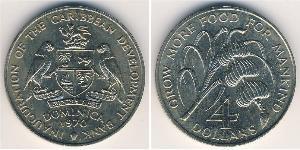
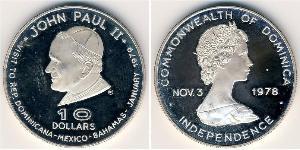
| Dominica (1978 - ) | Link to Wikipedia |
Dominica: History, Coinage and Collectibles
Welcome to our exhibition on this vibrant island nation nestled deep within the Windward Islands chain of the Lesser Antilles. As we prepare the exhibit for visitors with a keen interest in economic history and numismatics, take time to appreciate how Dominica’s rugged terrain shaped its trade routes and how currency evolved alongside its colonial transitions.
Historical Background
To understand the artifacts you hold today, one must first look back at the island's dramatic pre-colonial past. For millennia before European arrival, this volcanic landmass was inhabited by Indigenous peoples who lived in a world of lush mountainous rainforests and geothermal activity. Christopher Columbus arrived on a Sunday while seeking new lands for his crown; he named it "Sunday Island," reflecting divine timing rather than religious doctrine initially intended.
The history here is complex, involving waves of European powers vying for control amidst shifting alliances with local populations like the Kalinago and Arawak. The economic engine that would eventually dictate currency use was established during the mid-17th century. French colonists arrived seeking timber to supply their northern archipelagos, establishing early plantation agriculture centered around coffee.
The island changed hands several times—claimed by France in 1632, formally taken over by Britain after the Seven Years' War in 1763 via the Treaty of Paris. This geopolitical chessboard meant that Dominica was a colony where money had to serve masters shifting from Saint-Denis (French capital) and later London. The transition from French rule to British control brought profound changes not just to politics, but to how wealth moved through these ports. When Britain took possession in 1763, they utilized existing colonial infrastructure while establishing English as the official language.
Culture was another pillar of development; Dominica is famously known today for its unique ecosystem and endemic species like the Sisserou parrot. However, during this period, life revolved around coffee plantations managed by enslaved West Africans who were brought to work on these slopes after French arrival in 1690.
Currency and Coinage History
Much of what we know about money from Dominica’s early colonial era is inferred through the wider history of Saint-Denis and London, given that local production was often limited. The island's economy depended entirely on agricultural exports like coffee to Europe, particularly during its tenure as a French colony.
- French Period (17th–18th Century):
During the era when Dominica was a possession of France and later Britain, the currency in circulation followed that metropole. The "Louis d'Or" gold coins were used for large transactions or official payments during wartime trade disruptions.
- British Period (18th–20th Century):
Under British administration starting 1763, the currency system was standardized to align with London. For a long period, coinage in Dominica circulated as part of the broader "British West Indies" monetary zone.
- The Gold Rush and Commodity Economy:
Briefly touching on the gold standard before modern times was when the currency value relied heavily upon trade goods shipped across oceans. The island's population grew from roughly 71,000 people by the early census to much higher numbers over centuries.
- The Republic and Independence:
In 1978, Dominica gained independence as a republic. Coinage history took on new importance here with the transition from Commonwealth dependency to sovereign nationhood status where its own currency issues began.
Mints and Coin Production
Dominica itself did not possess large-scale minting facilities during most of its colonial existence, which meant that collectors seeking early examples often need a keen eye for regional marks. Early coin production in the region was typically handled by Saint-Denis (France) or London.
The transition to independence allowed Dominica to issue its own sovereign currency with designs reflecting national identity rather than imperial symbols.
Notable Coins
Because of these historical nuances, specific coin types are categorized below based on their relevance and rarity among enthusiasts today:
- The Florin or Shilling (17th–18th Century):
During the French period specifically, pieces of 20 centimes were minted in nearby centers. For collectors interested in colonial coins from Saint-Denis featuring Caribbean stamps, these represent an earlier era where Dominica was a neutral territory between France and Britain.
- The Commonwealth Half Dollar (1896–early 1920s):
British mints produced coins bearing the "British West Indies" overstrike on French pieces, a phenomenon that creates confusion for some collectors. The silver or gold content varied wildly during this era.
- The Independence Gold Coin (1978):
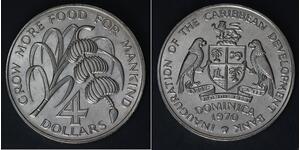
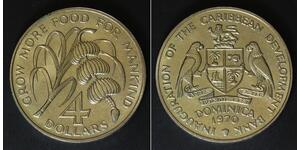
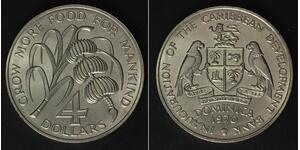
This modern issue marks the birth of the nation's own coinage following 1978 independence, often carrying national emblems like the Sisserou parrot. While these gold or silver coins were not necessarily common circulation items at launch (often commemorative), they established a visual identity distinct from French and British predecessors.
- The Modern Dollar:
In more recent times, circulating coinage has included denominations such as 10 cents or silver coins with high mint marks. Silver is often used for commemorative sets rather than general circulation in modern years.
Cultural Legacy
The numismatic heritage of Dominica serves as a physical map to its colonial journey and current status within the Commonwealth of Nations. Modern coinage, unlike the older French or British issues, utilizes colors found on the national flag—such as purple—to symbolize dignity and power rather than just gold.
For Collectors
Dominica's numismatic value lies in its scarcity as a sovereign state with limited minting history prior to independence. While modern silver issues are available, early colonial examples from the French or British era (circulated within Saint-Denis) remain rare due to their regional distribution nature.
- Rarity:
Because Dominica was often neutral territory between France and Britain before becoming a formal colony, few early coins were minted specifically for the island; collectors find many pieces are overstrikes of French or British origin.
- Silver Content:
Motifs on modern silver often feature native birds like the imperial amazon (Sisserou parrot). For those looking to acquire these, check for high-purity mintings that are distinct from circulating copper or base metal coins.