| View |
| preceded by | |
 Djibouti (1977 - )
|
| succeeded by |
| Djibouti (1977 - ) | Link to Wikipedia |
Djibouti: History, Coinage and Collectibles
Welcome, collectors and scholars of history. Today we stand at a strategic point in the Horn of Africa where ancient trade routes meet modern maritime commerce. The story of Djibouti is not merely one of borders on a map; it is an evolution written in metal, paper, and currency that connects the ancient world to contemporary economic stability.
Historical Background
To understand the numismatic heritage of this nation, we must first appreciate its place as a historic fulcrum between continents. Long before European explorers arrived by ship in search of passage around Africa's cape, merchants from antiquity traversed these waters to reach Egypt and beyond. The territory known historically within Punt trade records suggests that even millennia ago, the land served not just local subsistence but international commerce.
In more recent centuries, the geopolitical landscape shifted dramatically with European colonial presence. Under French rule during the late 19th century, Djibouti evolved from a strategic trading post into a critical gateway for Ethiopia and Eritrea via rail connections to Addis Ababa. This infrastructure boom transformed the local economy from isolation toward integration. The construction of railroads allowed goods destined for southern Ethiopian highlands to funnel through the port city.
This economic development fostered a unique societal blend, where French administrative law intersected with traditional Afar and Somali customs along the coastlines. By 1977, having shed its colonial past as French Somaliland, the territory emerged as an independent Republic of Djibouti. This period marks a pivotal transition in monetary systems, shifting from currency controlled by foreign power to instruments representing national sovereignty.
Currency and Coinage History
The evolution of money here mirrors broader colonial transitions seen across Africa and Asia. Initially, the region utilized French Francs that circulated widely throughout West African colonies before independence was achieved. The coinage during this period served primarily to facilitate trade for imports such as machinery and fuel needed by neighboring landlocked neighbors.
As independence approached in the mid-1970s, a significant change occurred in public consciousness regarding national currency. Collectors will note that early issues often bore dual sentiments: honoring past imperial structures while signaling new political autonomy. Following formal establishment of sovereignty, local monetary bodies assumed control over production standards and issuance.
The transition to the Franc CFA system aligned Djibouti with a broader economic bloc common in French-speaking nations. This arrangement facilitated international trade stability but also introduced distinct designs aimed at celebrating local identity rather than colonial heraldry. The shift from generic European imagery toward indigenous motifs is one of the most compelling narratives for those studying regional monetary design evolution.
Mints and Coin Production
In the early post-independence era, physical minting operations typically took place in France or larger regional hubs rather than a dedicated local factory. This was common practice during this historical period across French-speaking Africa to ensure economic security through centralized standards.
The artistic direction for these issues leaned heavily on two distinct aesthetic traditions: Islamic geometric patterns and naturalistic representations of the Horn's rugged landscape. Engravers utilized traditional techniques passed down from older Arab trade networks alongside modern printing presses imported during development projects.
- Techniques: Repoussé methods were often employed for early metallic issues, creating raised relief details that highlighted local fauna and flora found in arid landscapes like Lake Abbe's surroundings. As technology advanced in the late 20th century, modern pressing techniques allowed for finer detail on denominations used for everyday commerce.
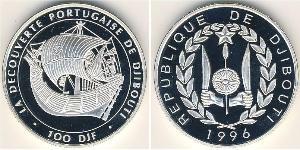
- Motifs: Later series incorporated scenes of maritime ports where international ships docked regularly alongside traditional pastoral life depicted through stylized representations consistent with regional art traditions rather than strict realism found in Western engraving schools.
Notable Coins
For the collector, several specific eras offer distinct aesthetic and historical interest without necessarily commanding astronomical market values.
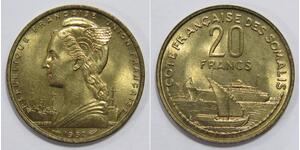
Produced during French administration between 1894 and independence preparations. These coins often feature portraits associated with the colonial era alongside maritime navigation symbols relevant to their Red Sea location. They represent a period when this territory was merely one small component of a larger French African republic, yet they hold significant rarity due to circulation in remote coastal outposts rather than major population centers.
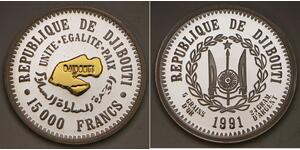
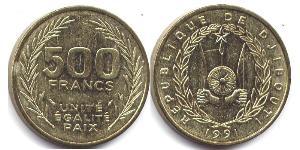
Issued shortly after the nation gained full independence. These coins replaced colonial imagery with national coats of arms featuring stars and olive branches common to regional designs but localized by inscriptions in French, Arabic, Afar, or Somali languages depending on specific issues.
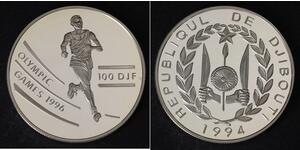
Circulating coins from the late 1970s onwards introduced modern portraiture of early leaders and references to key geographic features like the Bab-el-Mandeb strait. These remain popular in collections focusing on small-nation history as they bridge ancient trade routes into contemporary banking standards.
Cultural Legacy
The currency issued by this nation serves as a physical record of its identity and economic trajectory over the last century. Every coin bears evidence of two major influences: the French colonial legacy that established administrative borders, and deep-seated African cultural roots found in Islamic artistic traditions.
Numerical denominations evolved alongside modernization projects funded by foreign investment necessary for port maintenance near the Gulf of Aden. Each denomination tells a story about infrastructure development, from early small-change copper issues used at markets to heavier metallic coins introduced as urbanization grew and trade volume increased with regional partners.
For Collectors
Djibouti represents an intriguing niche for those focusing on post-colonial currency transitions. The nation's status as a multi-ethnic hub creates coinage that bridges cultures visually, often featuring dual or trilingual inscriptions alongside symbolic imagery representing the local environment.
- Rarity: Condition grading is essential given production in major hubs meant many issues entered general circulation widely. High-grade specimens from small denominations are prized for their preservation rather than extreme scarcity alone.
- Historical Context: Study these coins alongside the history of trade routes and infrastructure projects that defined economic independence during the late 1970s.
- Educational Value: Including even one or two examples helps build a picture of how smaller nations navigate monetary unification with major economies to maintain stability within their borders.
In conclusion, these metallic artifacts are more than mere medium for transactions; they stand as historical documents reflecting the strategic importance and evolving sovereignty of this Horn nation.