| View |
| preceded by | |
 Cuba (1898 - )
|
| succeeded by |
| Cuba (1898 - ) | Link to Wikipedia |
Cuba: History, Coinage and Collectibles
Welcome, visitors to our gallery of Caribbean history.
We are gathering around the collection from an island nation often overshadowed by mainland neighbors yet historically as vital a trading post for Europe and North America. Located at the convergence of three oceans—the Atlantic, Pacific (via Panama), and the Caribbean—Cuba stands at a geopolitical crossroads. For those interested in numismatics or history, understanding this region requires peeling back layers that began not with paper money, but with heavy Spanish silver and gold.
Historical Background
To appreciate the currency of Cuba today—and yesterday—we must first understand its foundations in pre-Columbian times and subsequent colonization. The island was settled by early Arawakan-speaking ancestors before becoming a strategic prize for Spain, claimed officially by Columbus in 1492.
During this era of empire-building, the economy relied heavily on plantation systems that utilized enslaved labor to produce sugar, tobacco, coffee, and gold. While much trade was conducted via bulk cargo, precious metals moved regularly back to Europe. The colony became one of Spain’s most significant sources of silver in the New World.
The history is marked by periods of intense instability. In 1798, Napoleon's brief invasion demonstrated how vital Cuba was for military logistics, reinforcing its need for hard currency reserves rather than paper notes at that time. Following independence and a tumultuous path toward sovereignty in 1868 (and again more fully under US protection after the Spanish-American War of 1898), the island eventually achieved political freedom as an independent republic.
The United States played a pivotal role in shaping the modern economy, particularly through the Cuban tobacco and sugar industries. This relationship created complex monetary dynamics: from using dollars alongside peso denominations to establishing banking frameworks that supported both Caribbean trade and North American investors. The economic structure was always tied deeply to international markets—making coinage an artifact of global commerce rather than purely internal policy.
Currency and Coinage History
The numismatic story here is one where silver reigns supreme during the colonial era, shifting toward gold later in the 19th century as trade with Europe matured. When Cuba became a sovereign republic following independence from Spain (formalized through U.S.-backed structures after the Spanish-American War), it entered into complex monetary negotiations to align its economy.
A significant chapter began under early US tutelage where the United States dollar served alongside Cuban currency. The adoption of the gold standard in 1906 was a critical moment, signaling modernization and stability for foreign merchants traveling between Havana ports. However, even as paper money became more common among the populace, hard coin remained essential.
A unique era occurred under Fidel Castro after the Revolution began in 1959. During this time of economic strain (the Special Period), cash shortages were endemic because of sanctions and isolationist policies that cut off access to global markets for Cuban exporters like sugar producers.
Mints and Coin Production
During its Spanish colonial tenure, the mints producing currency bearing the name 'Cuba' were generally located in Santiago de Cuba or Havana. While many coins attributed to this period are actually produced by larger Spanish facilities elsewhere (like Potosí) for circulation here, distinct local issues did emerge.
The technology of production reflects a global shift—from heavy hand-hammered pieces made with molds in the 16th century toward steam-pressing techniques adopted later. In Cuba specifically, designs often featured religious iconography on one side and coats of arms or trade symbols (ships for sugar exports) on the other.
A major feature is how these coins were minted under various regimes—Spanish colonial rule was long-standing; then there was a period of semi-autonomy as 'Colonia Libre' in 1869 where Spanish gold coinage circulated freely. Later, during the independence movements and American occupation era (roughly between 1898-1902), new coins were struck to assert sovereignty while trying not to disrupt trade too abruptly.
The minting traditions of Cuban coinage are notable for their artistic continuity—using classical motifs adapted with tropical elements like palms or local flora. These visual choices helped distinguish regional currency against the more austere designs often found in mainland Europe at similar times.
Notable Coins
- The Coinage of 1840 and beyond As we move into the mid-19th century, when Spanish administration began to stabilize after several independence movements (Ten Years War), these coins represent a period where trade was booming. They are often seen in museums representing late colonial eras before full American intervention.
- The Havana Gold Dollar During the final years of Spanish rule and early 20th-century transition, heavy gold coins circulated to facilitate large transactions between sugar growers (who controlled vast amounts of wealth). These were often minted in New Orleans for Cuban circulation or directly on local presses. Their rarity stems from low output compared to paper money.
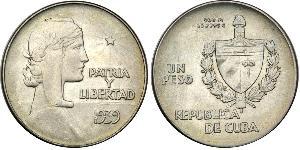
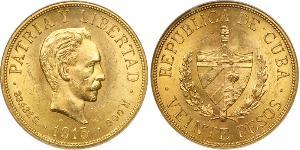
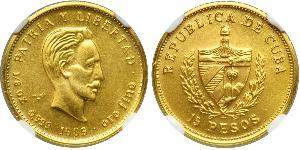
- The Early Republic Era Issues Following 1902, the new republic struck gold and silver dollars that reflect an attempt at financial independence despite political dependence elsewhere (under US influence). Collectors appreciate how these designs bridge European aesthetics with American influences in Latin America.
- Cuban Sugar-Trade Coins A recurring motif found across various denominations is the sugar bag, cane stalks, or ships—symbols of exports that fueled the colonial economy. These are popular pieces because they vividly communicate the primary industries driving trade for centuries until modern tourism took over.
- The Revolutionary Era Tokens During and shortly after 1959-60, new regimes issued coinage to symbolize political shifts. The designs often featured national heroes or portraits of Castro alongside simple geometric patterns reflecting socialist ideals (industrialization). While mintages were low during times of scarcity, these serve as important historical markers.
Cultural Legacy
The coins from this region tell a story not just about wealth transfer but also cultural identity. You will see faces—sometimes European, sometimes Caribbean—that represent the blending heritage discussed earlier (Taíno legacy). Religious imagery reflects Roman Catholic influence imported early on by Spanish colonizers.
Coinage mirrors economic reality; when tourism and foreign investment became dominant forces decades ago, coin designs began to shift from pure agriculture symbols toward those representing hospitality or national icons again. This transition is subtle but important: you can read the economic health of an island through its currency choices—when gold coins were minted in small numbers because international trade suffered, paper notes filled the gap.
For Collectors
The historical significance of Cuba's coinage lies primarily in how they encapsulate a complex interplay between European colonialism and American influence. These pieces bridge two worlds—Europeans seeking treasure and North Americans looking for trade stability—with each other through numismatic artifacts.
Cuba remains important today because its early issues are often overlooked by collectors who focus more on mainland Central America or Mexico, yet they hold equal rarity value due to low survival rates. Many of the earliest pieces were minted in small batches during periods when Cuba was transitioning from Spanish rule and then under American supervision—making them both educational and financially appreciative acquisitions for serious enthusiasts.