| View |
| preceded by | |
 Burma (1948 - )
|
| succeeded by |
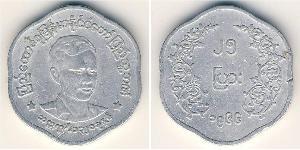
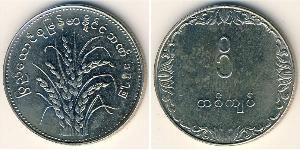
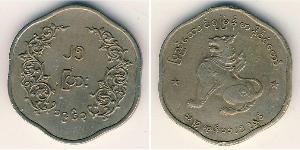
| Burma (1948 - ) | Link to Wikipedia |
Burma/Myanmar: History, Coinage and Collectibles
Historical Background
Welcome to the rich history of Burma, now known as Myanmar, a land where ancient civilizations have thrived along the banks of the great Irrawaddy River. For millennia, this region served not merely as a political entity on a map, but as the crossroads of continental trade. The narrative begins with early city-states in the north and the prosperous Mon kingdoms to the south, which became integral parts of major maritime routes connecting China, India, and beyond. These ancient port cities were bustling centers where merchants from all over exchanged silk for spices, tin, gold, jade, gemstones, teak, oil, natural gas, rubber, ivory, and timber.
The trajectory of the nation's economy was heavily influenced by its position within larger geopolitical structures. Following reunification under empires like Pagan in the 1050s through to the Taungoo dynasty centuries later, Burma controlled vast inland territories and coastal ports. This control meant authority over a robust agricultural system that supported millions as well as significant maritime trade networks.
The colonial era began when British interests expanded from neighboring India across the sea into Upper Burma in 1824 after conflict with local rulers who refused to pay tribute for land use rights. Following three Anglo-Burmese Wars, Britain established full control by the mid-19th century and incorporated the nation as a dependency of India within the British Empire until independence was achieved following World War II.
Currency and Coinage History
The financial landscape of this region mirrors its complex historical narrative. Before formalized minted currency became ubiquitous in Southeast Asia, trade relied heavily on barter and precious metals valued by weight. Silver rupees from India were the primary medium for large transactions during colonial times.
Near independence from British rule in 1948, Burma took a significant step toward financial sovereignty. The nation abandoned Indian currency to create its own monetary system, establishing an independent Reserve Bank and introducing the Rupee as their official legal tender before later transitioning fully into the Kyat following independence reform.
Mints and Coin Production
The production of coinage in Burma was not centered on local mints during most of its colonial existence. Instead, many coins were imported or struck locally to order from facilities established by neighboring powers or private entities before the national infrastructure for minting matured.
- Burma's early independent mint issued silver and copper pieces that reflected standard designs common in British colonies yet adapted with local imagery. Silver coin production was limited during this time, focusing primarily on rupee denominations which retained their value by virtue of intrinsic metal content rather than government decree alone.
The establishment of state-controlled mints allowed for the issuance of smaller copper denominations used specifically to facilitate daily trade in a rural economy. These coins were essential commodities and often found themselves circulating long after they had been minted, sometimes appearing decades later at local markets or auction houses throughout Southeast Asia.
Notable Coins
The most sought-after pieces for collectors generally originate from the colonial period leading up to World War II. These coins provide a tangible link between Burma and India's imperial administration before national independence solidified its identity in 1948.
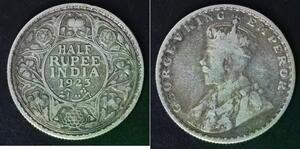
- Silver Rupees: The standard silver rupee was often struck locally during wartime or specific administrative transitions, bearing the portrait of British monarchs ranging from Queen Victoria to George VI. These coins are prized for their artistic detail and condition quality found amongst rare finds. They typically feature designs depicting Britannia holding a trident symbolizing naval protection alongside floral motifs.
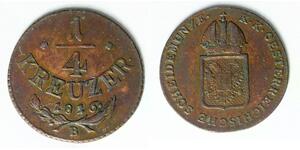
- Copper Half-Angas: Smaller denominations were minted in copper, often bearing simpler designs suited to local economies where silver was reserved for larger payments such as land rents or government fees. These coins represent the everyday economic life of a region heavily reliant on rice and opium trade.
- Soum Coins: The coinage produced by Burma's own Reserve Bank included various denominations ranging from low-value copper pieces to higher value silver issues intended for foreign commerce, reflecting the dual nature of an economy deeply tied both domestic markets and international trade routes. These coins are fascinating artifacts illustrating how a nation negotiates its place in global finance.
Cultural Legacy
The numismatic output of Burma/Myanmar is not merely commercial but also serves as a reflection of the region's deep connection to Buddhism and history, especially after independence. The design elements on post-independence currency shifted away from colonial symbols toward those representing national heritage.
- Buddhist Imagery: Gold coins minted during this period frequently incorporated imagery inspired by local religious art and cultural traditions such as pagodas or the lotus flower symbolizing purity in Buddhist teachings. This artistic style brought a distinct regional aesthetic to currency previously dominated entirely by British imperial iconography.
- Rulers and History: Many coins also feature historical figures significant to Burmese identity, connecting modern citizens with their pre-colonial past including royalty or founding fathers of the nation's independence movement. Such designs serve as an educational tool embedded in circulation currency, teaching children about national heroes through tangible objects they use daily.
For Collectors
The numismatic journey from British India to independent Myanmar offers a fascinating narrative for enthusiasts seeking pieces with historical depth and cultural resonance. While many collectors prefer rare items from the 1940s or early independence era, others appreciate later issues that reflect the nation's transition into modern economics.
- Diversity of Issues: Collectors are drawn to the variety in metal composition found across different eras—from silver rupees and copper pennies issued locally during colonial rule to aluminum coins minted for everyday transactions decades ago. Each piece represents a specific moment when history unfolded on both land and sea, shaping economic systems that still influence today.
The enduring appeal of Myanmar/Burma coinage lies in its ability to tell the story of resilience across centuries. Every surviving silver rupee or copper half-anga serves as an artifact connecting us directly to a vibrant past where global trade flows met local customs and beliefs at every step along this journey.