| View |
| preceded by | |
 Brunei
|
| succeeded by |
| Brunei | Link to Wikipedia |
Brunei: History, Coinage and Collectibles
Welcome to the exhibition of a small jewel in Southeast Asia’s crown of nations. Brunei Darussalam presents a fascinating journey where ancient maritime traditions meet modern energy wealth, all reflected upon metal surfaces that have survived for decades. Today we explore how this Malay Sultanate developed its unique identity and why its coinage remains an object of fascination to those who appreciate history on the small scale.
Historical Background
To understand the currency of Brunei, one must first look back into a landscape defined by tides rather than borders. For centuries, the region thrived upon the vast networks of maritime trade that connected China with India and Europe via Java and Borneo. The Sultanate rose to prominence through control of these spice routes and access to tin mining in inland regions. This economic foundation fostered a culture deeply rooted in Malay tradition and Islam.
The arrival of European powers brought new challenges but also opportunities for stability. During the 19th century, Brunei established protective agreements with Britain while retaining its sovereignty and monarchy—a rare distinction among Borneo territories that later became British protectorates or colonies. This unique political status allowed Brunei to maintain a distinct cultural path despite global shifting tides.
The discovery of oil in the mid-20th century transformed this traditional maritime society into one defined by rapid modernization without losing its core heritage. The shift from an agrarian economy reliant on fishing and agriculture to energy exports provided state wealth that would eventually enable a sovereign monetary system entirely under Bruneian control, rather than relying solely on regional currencies like the Straits Dollar.
Currency and Coinage History
The story of money in this region is one of transition. For much of its modern history before independence, coin collectors would find foreign currency circulating as legal tender—silver dollars bearing portraits from Singapore or Malaya were often preferred for trade due to their quality. However, a desire for distinct national symbols grew alongside political sovereignty.
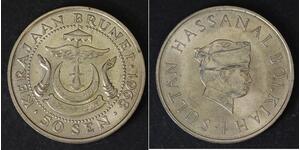
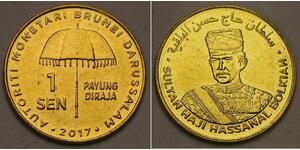
The introduction of the Brunei Dollar in 1967 marked an attempt at independence and identity assertion before full autonomy was achieved later. Yet it was not until the nation declared its full independence on January 24th that coinage designs could truly reflect local heritage, moving away from British colonial aesthetics to incorporate Islamic calligraphy and national flora.
This evolution mirrors a broader trend where nations sought dignity through their own currency standards. While neighboring states moved toward gold-backed systems or pegged currencies under strict monetary unions early on, Brunei took time to craft its own narrative using coinage as the medium of expression rather than just a tool for commerce.
Mints and Coin Production
The production of these coins was initially handled by standard British facilities before specialized regional centers came into operation. For modern series, mints began focusing on quality finishes that celebrated Islamic artistry over realism seen in Western portraits common to the era.
An important aspect of Brunei’s numismatic tradition is its emphasis on calligraphic beauty rather than photographic detail found elsewhere. Artists were employed to create designs featuring elegant Arabic inscriptions alongside geometric patterns inspired by local nature—especially flowers and marine life representing the sea that sustained ancestors for centuries.
Notable Coins
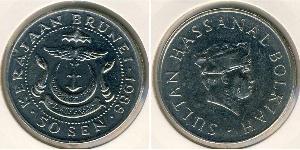
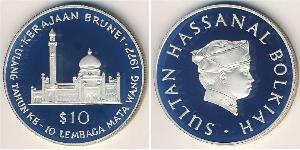
Among collectors, a silver proof set released in celebration of national independence remains one of most sought after items. These pieces were struck with exceptional attention to detail, featuring high relief designs that highlighted the beauty found on local Rafflesia flowers alongside religious text.
Another significant coin series featured jubilee commemorative issues for royal milestones within the dynasty. While these gold medals and coins often circulated or served as prestige items during official visits, their limited mintage ensures they hold great value today regardless of market fluctuations caused by precious metal prices alone.
- Independence Series: Marked a shift to native designs replacing imported foreign currency styles in circulation.
- Silver Jubilee Issues: Commemorated specific royal anniversaries with elaborate detailing suitable for high collectors but also meaningful as patriotic symbols.
Cultural Legacy
The coinage serves a dual purpose. It is both a commercial tool and an ambassador of state culture to the world at large when presented in diplomatic contexts or exchanged during trade relations. The consistent use of Islamic script reflects national commitment to faith which guides daily life.
In addition, many designs pay tribute to Brunei’s connection with ocean environments by featuring fish motifs that honor local ecological systems known for biodiversity protection policies initiated even before independence was formally declared internationally.
Coinage thus became another vehicle for educating the public about state values including environmental stewardship alongside spiritual devotion and royal governance structures established since early dynastic history recorded in stone tablets long ago rather than just paper documents.
For collectors
The enduring appeal of collecting Brunei coinage comes from its rarity combined with distinct artistic merit. Modern proof sets are particularly popular for those seeking high-quality strikes that serve as tangible reminders of a nation balancing ancient traditions against modern progress.