| View |

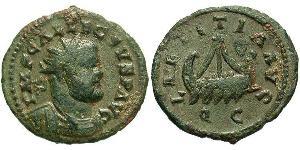
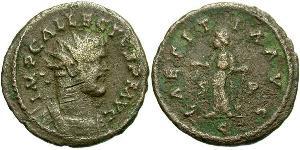
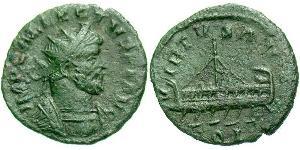
| Britannic Empire (286-296) | Link to Wikipedia |
The British Empire: History, Coinage and Collectibles
Historical Background
To understand the significance of coinage from this era, one must first appreciate the monumental history that gave birth to a global power centered in London. For centuries following its rise as a formidable maritime force, Great Britain stood at the crossroads of international trade and exploration. This historical period was defined by an expansion across oceans that linked Europe with distant shores including India, Africa, Canada, Australia, and beyond. As nations navigated these vast waters, they relied on complex economic systems to fuel their navies, merchant fleets, and industrializing cities.
The trajectory of trade during this time necessitated a stable currency capable of facilitating exchange across the seas. When Britain consolidated its dominions into what history often recognizes as an Empire, it needed money that was trustworthy far from home. The economic climate evolved significantly following key conflicts such as Napoleon’s wars and subsequent global industrial developments. These events drove demand for hard currency to settle debts between nations. As trade routes opened in the 18th and early 19th centuries, London became a pivotal hub where wealth flowed through mints that struck coins not just for local use but also intended for international circulation with other European states.
Culture played an inseparable role from economics during this time. The era was marked by rapid cultural shifts in arts and sciences, often funded or reflected upon the strength of national prestige projected abroad. Monarchs served as symbols of unity across these expanding territories; their portraits on currency were not merely decorative but a form of governance extending legal authority into foreign lands. This period laid down deep foundations for modern monetary systems where trust is paramount.
Currency and Coinage History
The evolution of money in this region was marked by the transition from traditional hammered coins to highly standardized, mint-stamped currency controlled strictly by state power. Early coin production involved complex reforms designed to prevent counterfeiting and ensure consistency as trade grew more globalized. The British Royal Mint established rigorous standards for weight, fineness, and design that became a benchmark in international finance.
This monetary system was not static; it adapted with the shifting needs of government and commerce. During periods where paper money began to replace metal circulation entirely due to cost or scarcity, specific coin issues were retained for collectors who valued their physical tangibility and historical value as stores of wealth. Significant reforms occurred when gold reserves allowed nations like Britain to maintain a fixed exchange rate between currencies in the 19th century.
Coinage played a vital role in daily commerce from market stalls to royal households before the dominance of banknotes took full hold. Silver half-crowns and silver florins circulated widely among merchants, while copper pennies were used for small purchases within domestic markets during this imperial expansion phase. The government carefully balanced supply so that coins did not disappear due to melting down into bars or gold bullion.
Mints and Coin Production
The machinery behind these artifacts relied upon the expertise of skilled artisans working under strict supervision from Royal authorities. While London served as the primary location for most coin production, other centers such as Edinburgh handled Scottish issues that were often minted with slight stylistic variations to accommodate local identity.
Certain colonies utilized their own mints within specific territories like Bombay and Calcutta during parts of this history to serve regional needs. The technologies used evolved from manual hand-stamping in earlier centuries toward more sophisticated steam-powered presses by the mid-19th century. Artistic characteristics were crucial, with designs reflecting contemporary artistic tastes rather than simple utility alone.
The Tower Mints maintained security protocols that protected these valuable state assets for generations before modern industrialization changed practices globally. The visual arts used on metal provided a canvas to showcase heraldic symbols like lions and unicorns which signified royal lineage while also incorporating scenes relevant to maritime history or colonial themes.
Notable Coins
The Sovereign, often considered the gold standard piece for collectors of this historical era, serves as an excellent example. Struck during reigns extending back through George IV and into Victorian times, these coins featured a design that emphasized national power and stability.
- The Gold Sovereign
- Historical Context:Minted to facilitate payments for trade across the globe without reliance on foreign currencies. The coin was recognized in international financial systems well into the 20th century, effectively serving as a portable reserve.
- Design Features:The obverse displayed portrait busts of monarchs with high detail while reverses often utilized heraldic shields or Britannia figures symbolizing naval strength and trade mastery. The mint mark indicated place of production but was sometimes subtle to preserve value.
- Importance to Collectors:Rare early examples carry premiums for their historical status as primary currency units that defined global commerce during the industrial age.
- The Half Crown
- Historical Context:Used widely by officers of merchant marine forces and travelers in major capitals. It circulated alongside silver florins from other nations which were occasionally accepted at par values for convenience during trade.
- Design Features:Silver coins carried depictions that honored national heroes or naval victories, reinforcing a patriotic narrative through numismatics.
- The Penny
- Historical Context:Frequently found in rural markets and domestic settings as the lowest denomination unit. Its copper composition made it durable enough for daily wear while being cost-effective to produce at scale during times of industrial growth.
- Design Features:The head portrait often depicted young monarchs with simplified lines that contrasted sharply against more elaborate gold sovereign pieces which were meant strictly as reserve holdings rather than cash flow currency.
Cultural Legacy
The coinage reflects the grandeur and reach of a nation at its zenith in global influence. Symbols such as the shield, crowns, and naval anchors on coins served to reinforce cultural values placed upon duty to crown and country.
Religious elements also appeared subtly within these artifacts during earlier periods though secular imagery eventually became more dominant over time reflecting changing social norms of an industrializing state. The depiction of Britannia herself as a female personification often adorned reverse sides, representing the maritime spirit that defined commerce in oceans across multiple continents.
Rulers are immortalized through their portraits which remained consistent for decades even when political climates shifted rapidly behind them. These faces became familiar to generations of sailors and merchants who traveled far from home using coins they could spend anywhere on Earth or trade networks established by the crown during this era.
For Collectors
The enduring importance of Great Britain coinage lies in its ability to tell a story without words. Each issue represents a chapter in history involving industrial innovation, economic diplomacy, and national identity formation from centuries past that collectors still study today. Scarcity often arises not only because certain mintages were low but due to historical survival rates over time where worn specimens remain more common than pristine high-grade pieces.
A thorough understanding of this numismatic heritage allows enthusiasts to connect physical objects with broader themes in human achievement and maritime exploration that shaped the modern world economy. It remains a crucial resource for investors seeking tangible connections to history while providing educational material on how ancient systems evolved into today’s financial framework. The coins continue to offer valuable insight into trade relations and colonial relationships between powers from across the Atlantic Ocean.