| View |
| preceded by | |
 Bosnia and Herzegovina
|
| succeeded by |
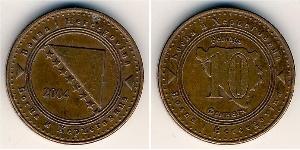
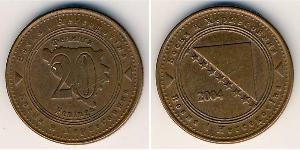
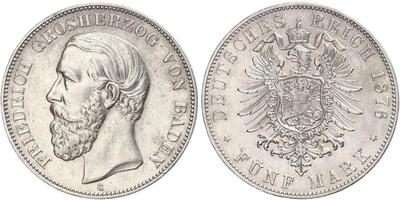
| Bosnia and Herzegovina | Link to Wikipedia |
BOSNIA AND HERZEGOVINA: HISTORY, COINAGE AND COLLECTIBLES
Welcome to a journey through one of the most compelling regions in Balkan numismatics.
In this article, we explore how small silver discs capture centuries of imperial transition.
Historical Background
Bosnia and Herzegovina occupies a unique geographical space where distinct civilizations met, fought, traded, and coexisted. For collectors interested in monetary history, the region serves as a tangible crossroads between East and West. Its coinage does not merely reflect local economics; it acts as a physical record of empires expanding their borders.
The cultural landscape was forged by centuries of layering influences, first through medieval Serbian kingdoms before entering under Ottoman rule. This shift established a profound Islamic artistic influence in the visual arts and currency design that lasted for over four hundred years during the early period of modern numismatics. Unlike other parts of Europe where coinage styles remained static or purely Christian-themed during this era, Bosnian silver struck with calligraphy featuring Tughra signatures became standard practice.
The economic engine was built on trade routes connecting central Asia to Mediterranean ports, facilitating commerce that required robust monetary standards. The region's location allowed it to absorb numismatic innovations from Vienna and Constantinople simultaneously. This created a currency environment where the same physical metal could represent vastly different ideological worlds depending on who controlled the mint.
Currency and Coinage History
The evolution of money in this area is a study in adaptation. During the Ottoman period, which lasted until 1878, silver remained the primary medium for significant transactions while copper was used strictly for daily commerce like purchasing bread or salt.
This system stabilized under administrative reforms known as Tanzimat. The currency became standardized against European weight measures to facilitate trade with neighboring powers without disrupting local tradition. When sovereignty shifted during and after 1878, the region entered a phase of high-standard coinage production that aligned strictly with Vienna standards but utilized regional imagery.
This era brought about silver dinars modeled after Krone coins found in Europe at large. However, unlike purely German designs used across the empire, these issues often featured specific local legends or mint marks distinguishing them from other Habsburg territories. These pieces demonstrate a rare moment where imperial policy allowed for distinct regional expression without sacrificing technical quality.
Mints and Coin Production
The Sarajevo Mint stands as a focal point of this history, established to service the needs of both local commerce and military payroll administration. Under Ottoman supervision, production utilized traditional methods with copper alloys known for durability against wear from heavy daily handling.
Later technological shifts introduced steam-powered coining presses that ensured greater uniformity in thickness and weight among circulated coins produced between 1890 and the early decades of this century. Artisans imported skilled die engravers who blended classical European art styles with traditional Islamic calligraphy, creating designs where Arabic script appeared alongside Western allegorical figures.
The mints were subject to strict oversight from central banking authorities in Vienna ensuring that bullion quality met international standards for silver and gold coinage circulated internationally during major trade fairs. This connection allowed collectors to view Bosnian issues as extensions of a larger European economic system rather than isolated curiosities, even when distinct mint marks signaled local origin.
Notable Coins
The collector's journey begins with the early Ottoman silver dinars featuring Tughra signatures. These pieces are prized not for their condition but for their design complexity; they feature intricate calligraphy surrounding portraits of Sultans who ruled over distant territories.
- Ottoman Silver Dinar:
This coin represents a bridge between Islamic and European artistic traditions. The reverse usually bore the date in Arabic numerals while the obverse displayed an inscription identifying the mint location, Sarajevo specifically.
- Austro-Hungarian Krone:
Fabricated during the late nineteenth century under direct Habsburg supervision. The design features a shield bearing local arms of Bosnia distinct from other provinces within the empire. Collectors note that these issues vary based on whether they were produced for general circulation or commemorative purposes.
- Copper Fils and Aspri:
The copper pieces are often overlooked but provide evidence of economic stability during times when silver supply was limited. They feature simpler engravings that show the transition from Ottoman stylistic preferences to Western classical motifs, particularly in the lettering used for value statements.
Cultural Legacy
The coinage reflects a society capable of absorbing diverse artistic traditions into its national identity through currency design. The visual language shifted over centuries but maintained consistency in function and purpose which is vital to understanding economic history without modern political interpretation.
Rulers chose designs that emphasized stability, wealth, and loyalty rather than military conquests on their coinage because these circulated for generations under changing governments after 1878. Religious tolerance during the Habsburg period was also visible in iconography used for coins which did not discriminate based on background of users but instead focused on imperial unity.
This legacy persists through museum collections that prioritize objects representing cultural exchange rather than conquest narratives found elsewhere, creating a numismatic timeline where history is preserved as art and commerce coexisted peacefully across centuries regardless of the political landscape outside its borders.
For collectors
The historical significance remains important because these coins offer tangible proof that civilizations have interacted economically over vast spans of time. They serve educational tools for students studying how trade routes influence monetary systems and culture simultaneously across different continents without modern political bias.
- Rarity:
Certain early silver issues are highly sought after not because they cost money but because their survival in high condition is statistically improbable given centuries of circulation before being removed from general use for treasury purposes or museum donation during the twentieth century.
- Educational Value:
Holding a silver dinar allows one to study craftsmanship techniques used four hundred years ago while studying Austro-Hungarian issues connects them directly into European economic standards relevant today without needing detailed catalog descriptions that might distract from artistic merit.
- Investment:
The investment potential of such coins stems largely from their historical narrative rather than market fluctuations alone. As global numismatics focus more on cultural heritage preservation, these items serve as a stable store of value representing artistic history that cannot be easily replaced by modern mint products.
In conclusion, the monetary legacy of Bosnia and Herzegovina is defined not merely by metal content but by its ability to tell stories from across empires without requiring political commentary. For those seeking depth in numismatic study beyond standard catalog pages, these collections offer a unique window into how art, faith, and commerce shaped one of Europe's most fascinating regions over several centuries.