| View |
| preceded by | |
 Barbados
|
| succeeded by |
| Barbados | Link to Wikipedia |
Barbados: History, Coinage and Collectibles
Welcome to a journey through the metallic history of Barbados. This small island in the Caribbean holds significant weight not only on the map but also within the world numismatics community. In this article, we will explore how metal and paper currency have served as windows into national development, trade dominance, and political change.
Historical Background
The narrative of Barbados begins in ancient times with indigenous Arawak settlements along the coastlines before the arrival of European explorers. However, for centuries following Christopher Columbus sighting the island, it remained relatively isolated until English colonists established a permanent presence during the early 17th century. The British West India Company played a pivotal role as plantations took root.
The economy was built around sugar production and trade with Europe. Wealth generated from agriculture funded construction projects that still stand today in Bridgetown, which became one of the wealthiest ports outside London during the colonial era. This economic boom created an intense demand for standardized currency to facilitate commerce across Atlantic shipping lanes. The history of the country is deeply tied to this maritime economy.
The political landscape changed dramatically after World War II as global decolonization movements spread throughout Asia, Africa, and the Caribbean Islands in the 1960s. This transition from a colony administered directly by London led to negotiations over sovereignty that ultimately resulted in independence for Barbados on November 30th of 1966.
Currency and Coinage History
In its early colonial decades, the island operated within the sterling system common across British territories. Coins minted primarily by English mints circulated widely among merchants who traded between Africa, South America, Europe, and North America. The circulation of foreign currency was often supplemented by local tokens or half-pennies.
As Barbados grew in confidence following independence from the United Kingdom, significant monetary reforms were undertaken to align with neighboring sovereign nations that had adopted decimal systems decades earlier. This period saw a gradual phasing out of silver and gold standards for daily transactions. The transition to a paper-based system combined with modern metallic coins was intended to simplify commerce but also signaled Barbados' assertion of financial autonomy.
The introduction of the new currency required careful management of reserves and supply chains, particularly during global economic shifts in the late 20th century when inflation pressured local governments. Collectors today view this era as a critical transition point where traditional imperial iconography was replaced with national symbols representing a republic status.
Mints and Coin Production
During its colonial days, no coins were struck locally within the island itself; production occurred exclusively in London or other major hubs like the Royal Canadian Mint which later contracted for regional nations. However, after independence contracts allowed foreign mints to strike Barbadian coinage under specific legal agreements that gave them sovereignty over design choices.
The technology used during these eras reflected global standards of minting precision but adapted to local artistic needs. The metal compositions varied significantly based on the availability in international markets and fluctuating silver prices which affected government policy at various times. Early issues often bore legends like Barbados or references to George VI, whereas post-independence coins displayed Queen Elizabeth II.
The artistic characteristics of these pieces were influenced by Caribbean flora as well as maritime heritage visible in many designs from that era. The minting process itself became a symbol of international trust during the Cold War period when smaller nations sought secure financial partnerships to stabilize their economies against volatile markets.
Notable Coins
To better understand what is available for acquisition, we highlight specific types of coins often held in private collections or auction houses across Europe and North America. Each selection carries distinct value based on historical interest rather than face denomination alone.
- The 1937 Silver Florin
- The Decimal Half-Dollar Coinage
- The Republic Series One Dollar
- The Independence Commemorative Pieces
This piece represents the colonial period at its height of wealth before independence negotiations intensified in later decades. It typically features standard British heraldry but carries a Barbadian context regarding where it circulated, making it sought after for historical trade studies.
Minted during the early days of transition to republic status these pieces often display imagery reflecting national identity more explicitly than previous imports. They are prized by those who seek evidence of local production partnerships with major international mints that supplied Caribbean regions in the 1960s.
Frequently issued during the mid-20th century this coin often depicts scenes relevant to national industry such as ships or agriculture. These designs shifted away from purely imperial themes towards showcasing local achievements and landscapes that became central to collector narratives about Barbadian identity.
Focusing on the anniversary of statehood these issues carry special relevance regardless of metal content because they mark pivotal dates in national history. Collectors often prioritize high relief or specially designed edges used only for this specific series which adds a unique layer of interest beyond standard circulation items.
Cultural Legacy
The coinage of Barbados acts as a physical record of the cultural evolution from colonial rule to modern independence. The use of national colors on reverse sides or obverse shields connects directly with flags that appear in every government building today. Symbols such as naval ships used during construction projects or sugar mills reflect economic reliance that defined generations.
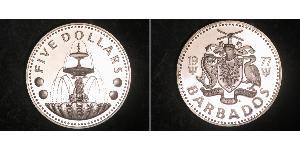
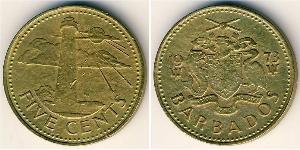
The coat of arms featuring a sea green turtle and crossed swords has become synonymous with the currency itself, appearing frequently on banknotes before metal coins took precedence for circulation. This imagery communicates peace among neighbors alongside defensive capabilities against pirates who historically threatened trade routes off the coastlines in earlier centuries.
Over time as designs modernized they incorporated more subtle representations of local biodiversity and tourism assets that became vital to economic growth after global financial crises affected traditional plantation industries heavily throughout history.
For Collectors
The historical significance remains paramount when evaluating Barbadian currency within your portfolio. These pieces offer unique access points into understanding the socio-political shifts of British Empire territories without needing specialized knowledge to appreciate their artistic merit at first glance.
- Rarity and Condition Matters:
Pieces found in uncirculated condition command higher attention from investors who understand that historical scarcity often outpaces face value fluctuations for older issues or low production runs associated with early decimalization efforts.
- Cultural Connection:
Treasuring coins allows you to hold fragments of history in your hand, connecting generations through metal that survived decades while nations evolved around them. The transition from colonial silver and gold denominations into decimal republic issues makes this collection particularly attractive for those interested in numismatic continuity.
- Auction Appeal:
Sellers often highlight the national pride inherent to these objects because buyers understand that purchasing them supports preservation efforts or private collections focused on Commonwealth history. While market prices can fluctuate with economic conditions, interest in independent Caribbean currencies continues as collectors seek diverse geographic representations rather than solely European issues.