| View |
| preceded by | |
| Argentina | ||||||||||
|


| succeeded by |
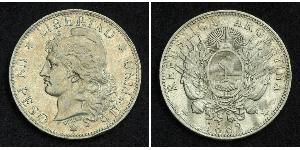
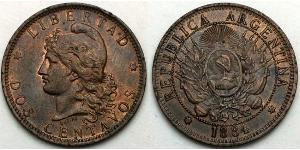
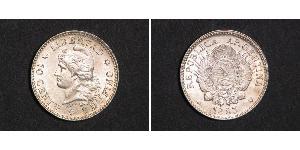
| Argentina | Link to Wikipedia |
Argentina: History, Coinage and Collectibles
Welcome to a journey through one of South America’s most storied regions where commerce meets culture in the metal pressed between coins. As curators who have dedicated our careers to understanding history not just as dates on a calendar but as tangible stories preserved by artisans, we invite you to explore Argentina through its currency. For collectors and enthusiasts alike, the silver and gold struck within this nation’s borders offer more than financial value; they represent chapters of independence, empire, and national identity.
Historical Background
The story begins with the Viceroyalty of Rio de la Plata, a vast territory where Spanish influence met the rugged terrain of La Pampa. For centuries, this region served as an economic engine for Spain’s imperial wealth, primarily driven by exports from cattle ranching and wool production in Buenos Aires. However, isolationism under royal decrees turned the capital into one of South America’s most prosperous ports despite its geographic distance.
The drive toward independence was fueled not only by political philosophy but also by economic ambition for local elites who grew weary of tribute payments to distant monarchs in Europe. The Argentine War of Independence brought about a shift from colonial administration to sovereign self-rule, altering how wealth flowed through the region’s markets.
Culturally and economically, Argentina solidified its identity as an exporter nation with deep ties to global trade routes connecting London to Lima. This era set the stage for monetary systems designed not merely for local circulation but for international confidence in their silver content and gold backing. The gaucho became a symbol of this rugged landscape, eventually appearing on currency long after military conflicts subsided.
Currency and Coinage History
In its early colonial years, the most dominant form of money was not native coin but rather Spanish Milled Dollars circulated freely across Latin America. These silver dollars became so common that they were used in trade settlements regardless of their country of origin.
- The Silver Era: The 8 Reales piece remained a de facto currency throughout the colonial period, serving international trade between Europe and South America.
Moving into the nineteenth century, the transition to national sovereignty required new coinage. As political entities sought independence from Spain’s crown during early decades of the 1800s, they needed domestic money that reflected their own values rather than foreign ones.
- The Republic Transition: Early issues in Buenos Aires featured designs echoing Spanish motifs but slowly shifted to local iconography emphasizing liberty and new leadership.
Economic instability often forced reliance on paper currency or private coinage, yet the state consistently sought to return control over metal money. By mid-century, reforms aimed at stabilizing exchange rates were necessary to attract foreign investment needed for infrastructure projects like railway networks in Argentina’s vast plains.
Mints and Coin Production
The central hub of numismatic production was the Royal Mint located in Buenos Aires. During later periods, provincial attempts at minting occurred where local leaders hoped to control currency output for their specific regions before being centralized under national law again.
- Technological Shifts: As steam technology advanced during the late nineteenth century, mints adopted improved presses that created sharper details and higher quality edges on denominations used in commerce throughout South America
Coin production traditions focused heavily on silver purity standards to maintain international confidence. High relief designs were utilized for gold issues while lower denomination currency often bore simpler markings due to the sheer volume required for daily transactions.
- Mint Standards: Ensuring consistent metallurgical integrity was paramount as counterfeit coins plagued circulation during times of high inflationary pressure historically encountered by various nations in South America
Notable Coins
Collectors often seek pieces that capture the spirit of their era. Three distinct examples highlight Argentina’s history.
- The Gold Sovereign Issues: These early 19th century coins were struck specifically to fund military campaigns during independence wars, featuring intricate designs celebrating local heroes or symbols of liberty with a gold composition that attracted wealthy international investors seeking secure savings options at the time. Their rarity stems largely from their exportation rather than domestic hoarding.
- The Silver Five Peso Pieces: A popular denomination for daily business during the late 1800s, these coins frequently featured the iconic Sun of May on one side and a national emblem. They showcase fine detailing achieved by masters who balanced artistic expression with industrial precision.
- The Early Republic Centenary Issues: Commemorating historic milestones often required striking special editions that bore high relief borders for collectors, emphasizing the passage of time since independence from Spain in 1810. These serve as historical markers showing how nations celebrate their own evolution.
Cultural Legacy
The coinage reflects a blend of European artistic heritage and local culture that is uniquely Argentinean. The Sun of May, originally a religious symbol adopted by independence leaders, became the most recognizable feature on silver pieces across generations.
During prosperous agricultural booms, coins were minted to reflect confidence in future exports of grain and beef into Europe. When times grew turbulent during economic recessions later in history, gold reserves represented stability for citizens protecting wealth against currency debasement or hyperinflationary pressure seen globally during the 20th century.
This cultural symbolism persisted long after political regimes changed hands; collectors value these objects because they tell stories of survival and prosperity within a changing world landscape that spans over centuries of history recorded on metal plates hammered by skilled hands under supervision of royal decree before becoming symbols of national pride themselves. The legacy is preserved not in textbooks but in museums where original pieces can still be admired for their condition.
For collectors
Argentina’s historical significance lies within its connection to independence movements and economic globalization during the 19th century making it a valuable educational resource alongside other South American nations. High quality issues often feature unique die usage or artistic styles developed by European engravers who spent years training locally.
- Rarity: Due to exportation habits historically common among silver dollars found in this region, many examples are scarce compared to those minted for domestic circulation only
These pieces remain important today as they offer tangible links to the era when modern nations were forming identities separate from colonial rule. Their preservation depends on careful handling since their metallic content and design detail reflect decades of historical craftsmanship rather than mere industrial production.
The allure extends beyond financial metrics; collectors find themselves participating in a narrative that spans independence struggles, national unification attempts, trade booms fueled by cattle ranching industries near the Pampas region. Owning these items allows enthusiasts to hold pieces of physical evidence from times when economies expanded significantly through global exchange mechanisms still influencing modern international finance today.
Understanding Argentina’s coinage provides insight into how monetary systems evolved in a developing continent where stability was often fragile but artistic expression persisted despite political upheaval. This makes the collection worthwhile for those interested not only in numismatics as an investment discipline but also history enthusiasts seeking physical artifacts from pivotal moments across centuries of growth and change within South American civilization.
- Historical Connection: These items serve as gateways to understanding broader economic histories that shaped global trade patterns during the 1800s when industrial revolution powers depended heavily on raw materials supplied by nations like this
In essence, Argentina’s coinage bridges art and history offering stories of independence movements alongside practical monetary usage. Whether studying intricate designs or examining metallurgical composition used to stabilize currencies across decades of changing political leadership these artifacts invite closer examination into how national identity formed through commerce itself.
Coin collectors today have a rich opportunity to own part of this story where every piece tells tales from different eras spanning colonial times through late 19th century industrialization making them invaluable pieces for any serious collection looking to expand its scope toward global historical significance beyond Western Europe alone