| View |
| preceded by | |
 African Union
|
| succeeded by |
| African Union | Link to Wikipedia |
African Union: History, Coinage and Collectibles
Welcome to a deep dive into the economic heritage of one of Africa’s most significant political entities. While we often think in terms of sovereign nations when visiting auction floors or coin cabinets, this article explores how regional unity bodies like the African Union have shaped monetary history through their members' independent issuances and commemorative programs.
Historical Background
The roots of economic cooperation within what became the African Union stretch back centuries before modern borders were drawn by colonial powers. The Trans-Saharan trade routes, connecting North Africa with Sub-Saharan regions, facilitated an early exchange of gold salt and ivory that established the continent's first commercial networks. These ancient pathways laid a foundation for currency systems based on bullion value rather than paper notes.
As European powers partitioned the continent during the nineteenth century, local economies were reorganized to serve metropolitan markets. British colonies introduced shillings and pence pegged to sterling standards, while French territories operated within the franc system. This division created a numismatic patchwork that collectors often find fascinating today.
The drive for independence in 1960 brought political sovereignty but left many monetary systems unchanged initially. The African Union's predecessor organization was formed during this era of decolonization to ensure these new states remained economically connected rather than isolated by foreign exchange controls and trade barriers. Over decades, the transition from colonial oversight to national economic control defined a unique period for collectors interested in early post-independence issues.
The push toward continental integration intensified with globalization, leading regional bodies like ECOWAS or COMESA—precursors often linked within AU discussions—to establish banking zones that stabilized currency exchange between neighbors. Understanding these trade shifts is vital for grasping why certain coins are scarce and others abundant in the numismatic markets of today.
Currency and Coinage History
Money evolution across this vast region was defined by the struggle to move from colonial metal currencies to modern fiat systems. In many regions, particularly Francophone Africa, gold standards remained symbolic until late-century devaluations occurred during global inflation waves.
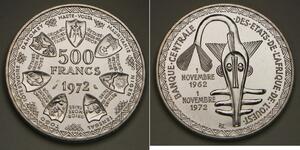
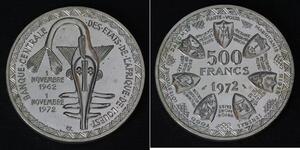
The numismatic landscape split sharply between British West African issuers who utilized English designs and French territories that adopted Parisian dies before transitioning entirely into the CFA franc structure still seen in various parts of southern west and central Africa. These regional economic zones represent a unique chapter for collectors, where one can trace how political unity attempts often resulted in shared monetary policies.
Moving toward the twenty-first century, the African Union focused less on circulating coins—since sovereign states manage them—and more on commemorative medals that symbolized diplomatic achievements between member nations. While these are not currency, they function as numismatic artifacts representing a specific form of institutional history where money served political cohesion.
Mints and Coin Production
The physical production centers for African coins were often located in London or Paris during the colonial period but eventually shifted to local mints. The minting facilities established at locations such as Lagos, Dakar, Abidjan, Dar es Salaam, and Johannesburg became critical hubs where skilled engravers crafted national identities.
Traditions of coin production varied by region; French territories emphasized strict adherence to Parisian standards regarding weight and diameter while British regions favored designs featuring local flora or fauna. These artistic choices are crucial indicators for identifying origin points during verification processes at auction houses.
Notable Coins
Nigeria One Naira Silver (1970s)
This coin represents the transition away from British shillings to a distinct national identity. The design features indigenous cultural symbols like eagle emblems or traditional market scenes, reflecting economic independence and agricultural focus.
Zambian Copper Coin Series
Minted in the early decades after 1964, these coins highlight Zambia's rich mineral wealth vital to regional industry. They served as a model for other countries seeking self-sufficient economies within the AU structure that encouraged intra-African trade.
Southern African CFA Franc Transitions
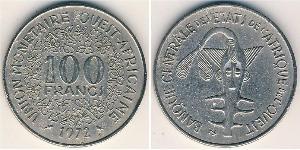
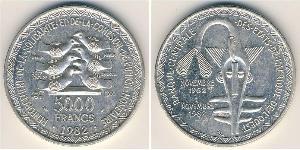
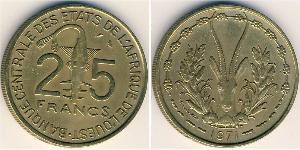
Certain transitional issues during monetary reforms are highly collectible, showing how nations negotiated economic alliances. These coins bear dates and legends linking them to regional unity summits often discussed by continental bodies like the AU commission of finance.
Cultural Legacy
The coinage from these regions reflects broader themes found in African art such as stylized animal figures, traditional weaving patterns on edges or fields. Religious motifs often appear alongside historical dates significant to local liberation movements rather than solely European holidays observed during colonial rule.
This artistic heritage helps connect history buffs with the material objects left behind by ancestors of today's traders and leaders who sought independence through both political means and economic reform projects supported under later regional structures like those found within this union's framework. Collectors preserve these artifacts as a tangible record of how African culture navigated modern economics.
For collectors
The historical significance remains profound because it bridges the gap between ancient trade routes and contemporary political bodies fostering unity across fifty member states. For buyers today, understanding that circulation currency is sovereign while regional cooperation drives monetary policy stability helps clarify why certain issues hold high market value.
Focusing on independence era pieces allows you to own a piece of African liberation history without needing rare minting errors or specific scarcity found elsewhere globally. Completing sets from these key regions contributes to understanding how economic freedom was achieved alongside political sovereignty across the continent, making it essential material for any serious collection dedicated to global monetary diversity.